

Livelihoods
IWMI examines how water systems can reduce poverty and strengthen livelihoods across diverse contexts. Our research shows that well-managed irrigation improves farmers’ incomes, enhances food security and helps households withstand climate shocks. We also promote gender-inclusive training and policy reforms to ensure equitable access to water resources, especially for women managing farms.
Beyond irrigation, IWMI’s Resource Recovery and Reuse work turns “waste” into economic opportunity, building sustainable businesses, creating green jobs and new income streams for farmers. Through data, pilot projects and policy recommendations, IWMI’s water-centric solutions aim to reduce poverty and foster sustainable livelihoods.
Contacts

Latest news on this topic
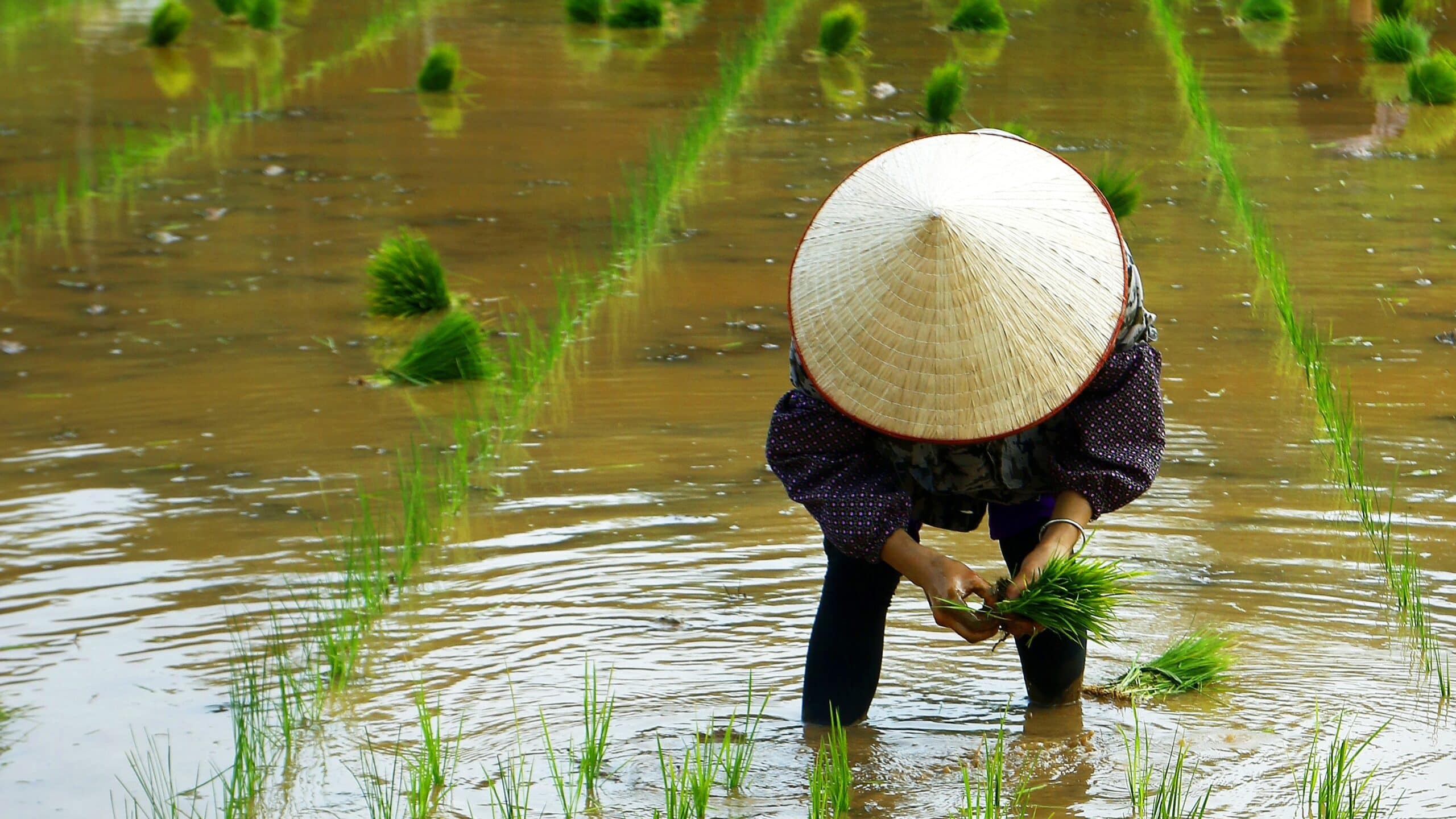
Could red rice be the key to a better future for farmers in Lao PDR?
For smallholder farmers, red rice is emerging as a promising pathway to higher incomes, while meeting growing demand for healthier food and general food security …
May-June 2025 Research Journal Roundup
Roundup of research, journal and other academic articles from May and June 2025 …
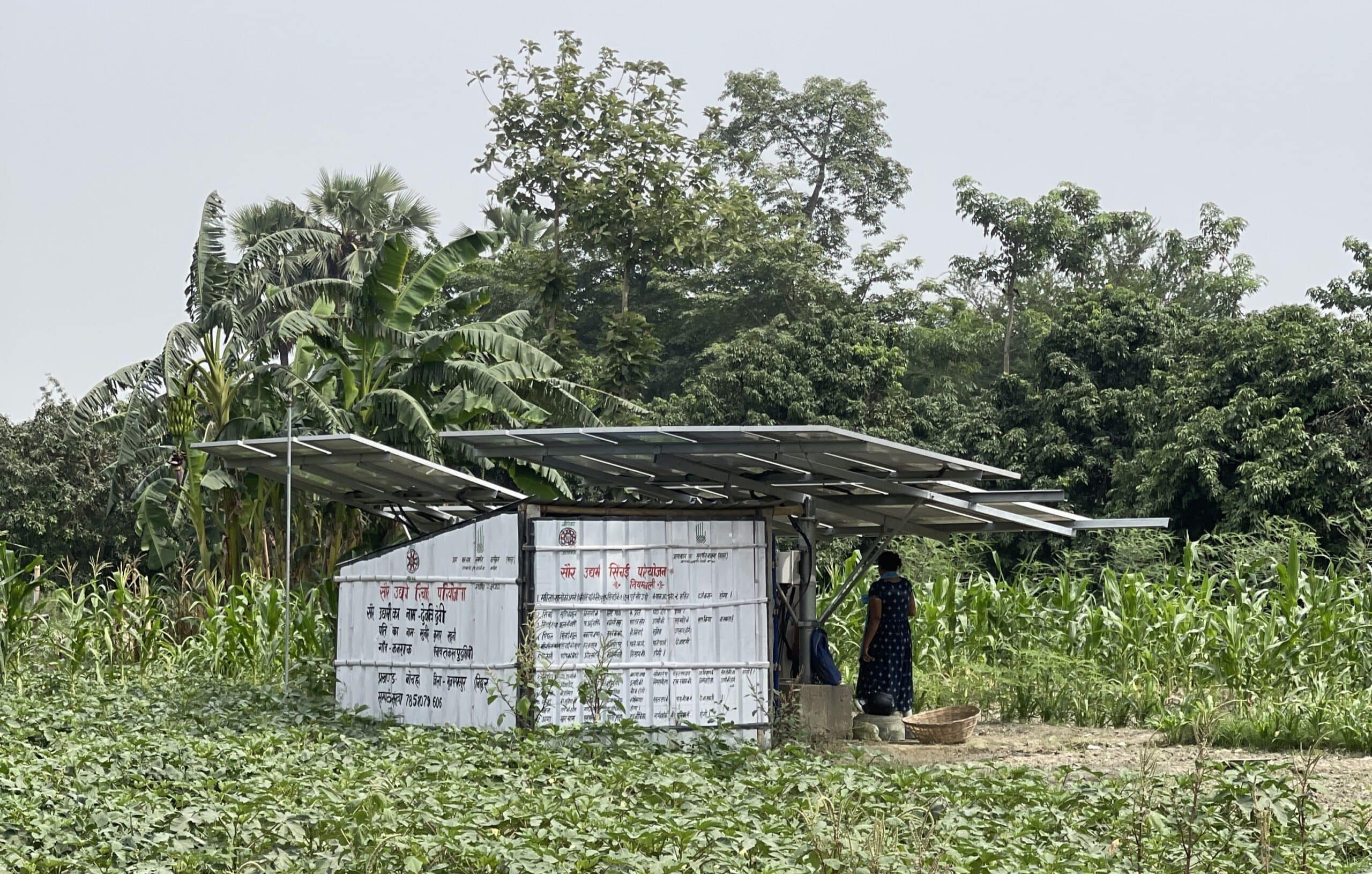
Water entrepreneurship can drive solar irrigation and climate mitigation in Nepal
Small solar pumps help individual farmers, but larger systems that serve collective fields could drive uptake and lift rural incomes across Nepal’s breadbasket, as lessons from its neighbor Indian state …

Preserving Africa’s glaciers is protecting our future
Africa’s glaciers hold the future of water for millions and we must act this World Water Day before they vanish …

Latest publications on this topic
Brief
Filling the Gaps in Carbon Credits from Alternate Wetting and Drying (AWD) in Bangladesh
International Water Management Institute | July 7th, 2026

Abstract
Integrating Solar-Based Irrigation and Vermicompost Using Living-Lab Approach: Effects on Yield, Soil, and Livelihoods, Ethiopia
June 29th, 2026
Brief
Circular Bioeconomy Approaches for Resilient Livelihoods and Peacebuilding in Fragile and Conflict-Affected Settings
International Water Management Institute | June 16th, 2026
Events on this topic
World Day to Combat Desertification and Drought 2026
The World Day to Combat Desertification and Drought showcases the most pressing environmental challenges of our time, with up to 40% of all land area worldwide already considered degraded …
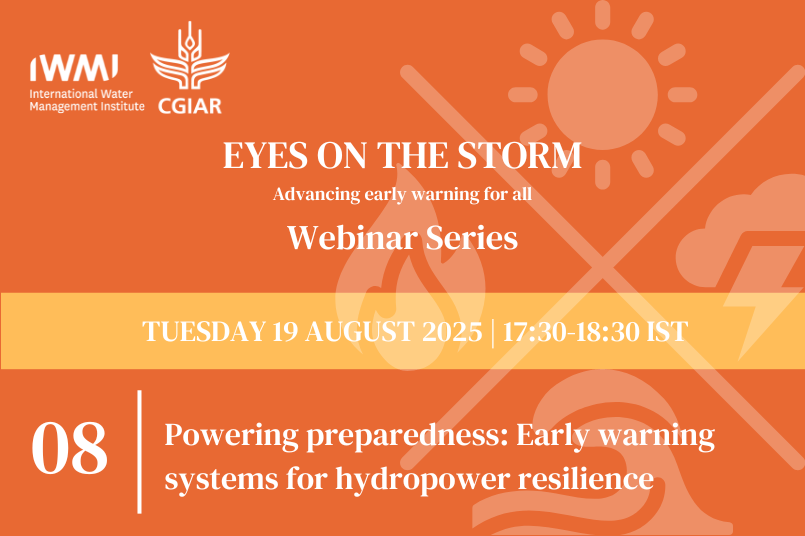
Eyes On The Storm 8. Powering preparedness: Early warning systems for hydropower resilience
As climate extremes threaten hydropower infrastructure and downstream communities, this session dives into the role of tailored early warning systems for water-energy security …
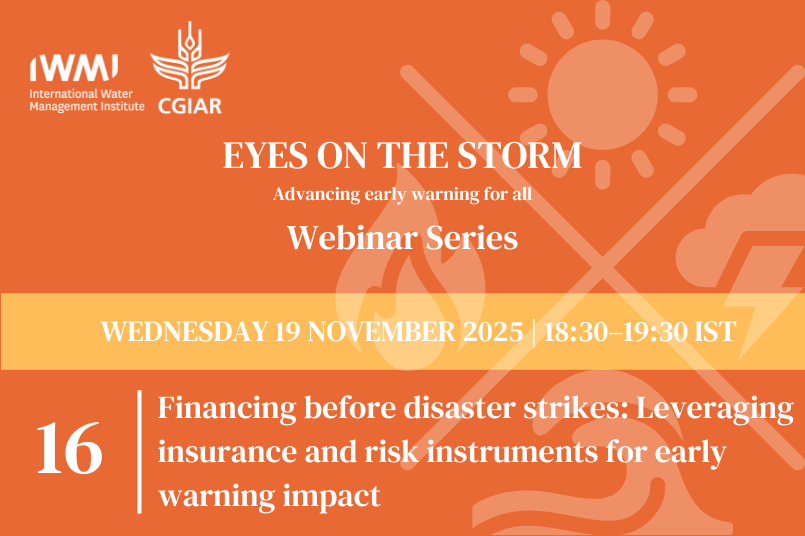
Eyes On The Storm 16. Financing before disaster strikes: Leveraging insurance and risk instruments for early warning impact
This webinar explores how early warning systems can unlock timely financial responses to climate and disaster risks …

Dialogue on Advancing Youth Engagement in Zimbabwean Agripreneurship
The two-day dialogue will discuss youth engagement in agripreneurship and explore solutions to empower women and marginalized youth …