

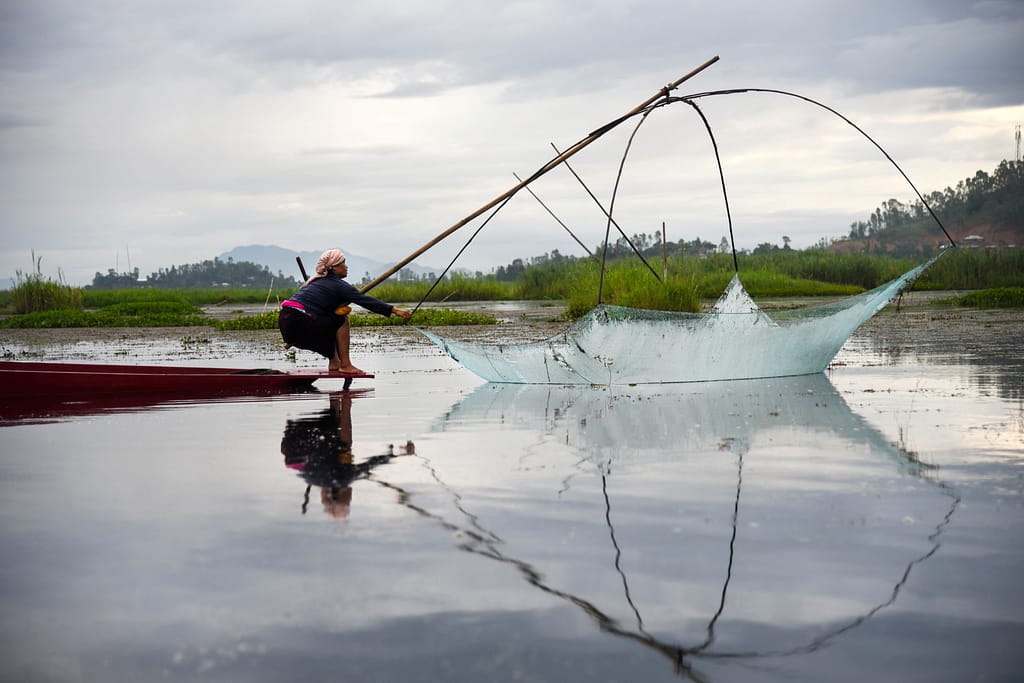
As the world marks World Wetlands Day 2026 under the theme “Wetlands and traditional knowledge: Celebrating cultural heritage,” India’s wetlands offer compelling evidence that traditional knowledge is not peripheral to the wise use of these landscapes; it is one of its most enduring foundations.
Long before such ideas entered formal policy, communities across India had developed practices that sustained food systems, regulated water and embedded stewardship within everyday cultural life. In today’s climate of uncertainty and development pressures, these systems offer not nostalgia but practical pathways for sustaining wetlands into the future.
Yet this relevance sits against a troubling global reality. Since 1970, wetland loss has occurred across all major types at an average rate of around 0.5% per year, with an estimated 177 million hectares of inland marshes and swamps already lost. Despite still covering over 1.8 billion hectares worldwide, wetlands are often framed through indicators of decline — shrinking extent, altered hydrology and biodiversity loss. Given this context, it is interesting to explore why some wetlands have endured for centuries despite sustained human use, while others have declined. Where wetlands persist, it is often because people learned to live with water rather than control it. Human activities and behaviors shape landscapes through knowledge systems attuned to ecological rhythms. This insight lies at the heart of the Ramsar Convention’s principle of wise use, which recognizes wetlands as social–ecological systems where environmental processes and human well-being are inseparable. Sustaining wetlands in a rapidly changing world, therefore, depends not only on protection and restoration, but on the relationships and knowledge systems that have long sustained them.
How traditional knowledge sustains multiple wetland benefits
Wetlands are estimated to deliver $7.98 trillion in ecosystem service benefits annually, supporting food systems, water regulation, climate stability and livelihoods. Across India, traditional wetland systems show a simple pattern: food, water regulation and cultural values working with ecological variability.
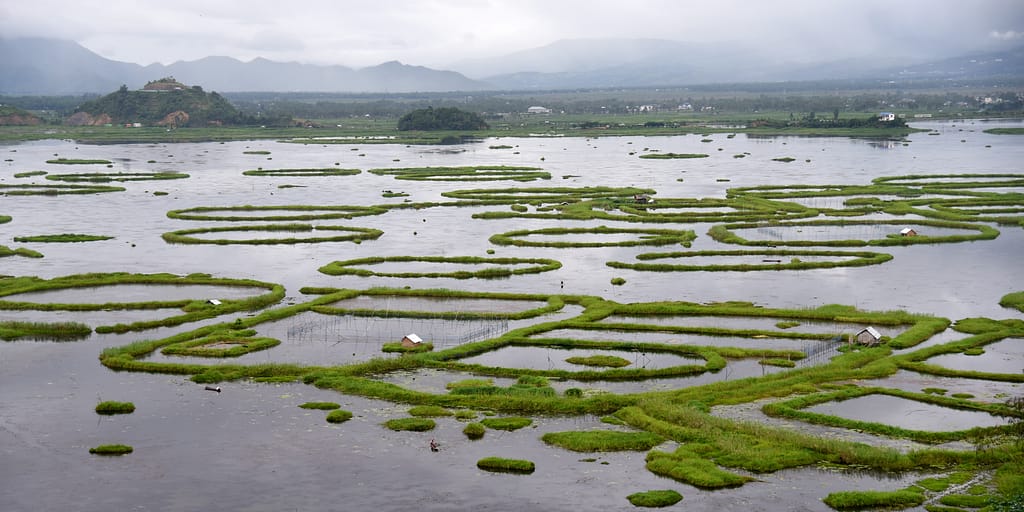
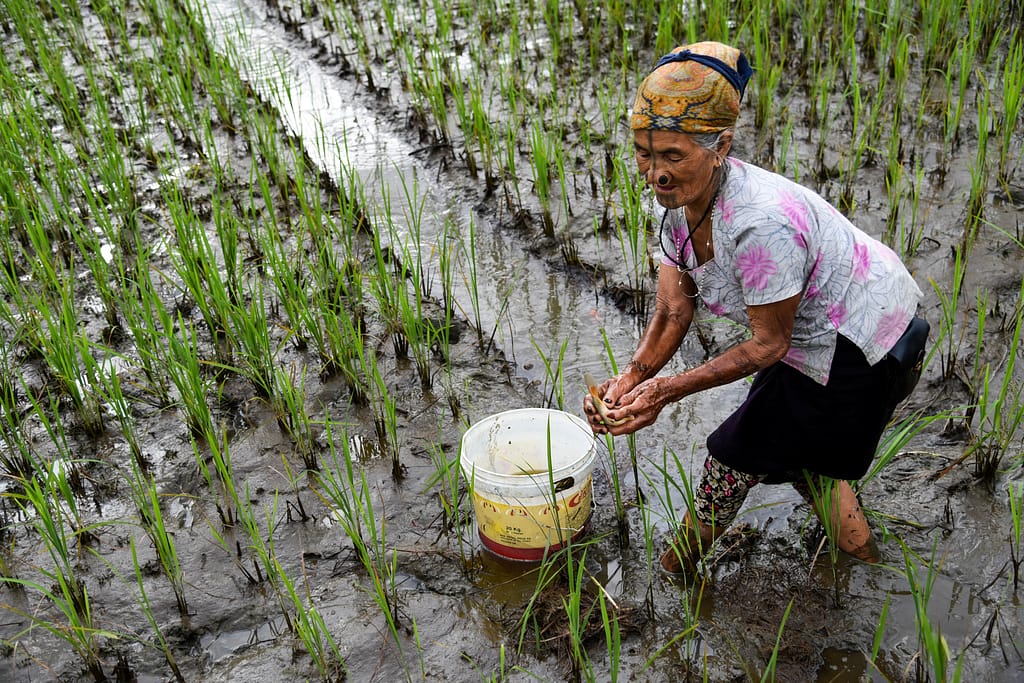
Traditional wetlands have long supported food systems precisely because they are adapted to flooding, salinity and seasonal water availability. In India’s southwest coastal state of Kerala, agricultural production in the Kol wetlands, the below-sea-level farms of Kuttanad, and the traditional Pokkali rice–prawn systems are closely aligned with monsoon rains and tidal cycles. These unique landscapes allow rice cultivation to alternate with fisheries and aquaculture, enabling food production to coexist with natural flood buffering, freshwater storage and the ecological functions of coastal wetlands. In Northeast India, especially in the state of Manipur, communities around Loktak Lake have built their livelihoods around phumdis — floating mats of plants — that support fishing and naturally recycle nutrients in the lake. In neighboring Arunachal Pradesh, the Apatani community practices a unique rice–fish farming system, while the floodplain wetlands (beels) of Assam combine fishing, farming and community-based management. In western India, near Rajasthan’s Sambhar Lake, herders use rotational grazing on seasonal salt marshes, helping control plant growth while retaining soil moisture in a dry landscape.
Wetlands also regulate water most effectively when landscapes are allowed to absorb and release flows dynamically. Systems such as Ahar–Pyne networks of eastern India use small reservoirs (ahars) and channels (pynes) to capture monsoon rain and distribute it to fields during dry periods. In southern India, kattas and madakas are earthen check dams and village tanks that slow down runoff, store seasonal rainfall, recharge groundwater and support farming and livestock. Along India’s western coast, Khazan lands are low-lying fields protected by embankments and sluice gates that carefully regulate the entry of tidal seawater and freshwater, allowing agriculture to coexist with coastal flooding and salinity.
Across India, many wetlands function as cultural commons, where rituals and customary norms turn ecological knowledge into daily practice. Sacred water bodies such as Renuka Lake and historic stepwells like Rani ki Vav are not only sites of worship, but systems where access, use and upkeep are guided by shared rules and reverence for water. Beliefs linked to sacred groves, springs, streams and swamps help limit extraction, protect vegetation and maintain water quality by treating these places as living entities rather than resources to be exploited. In the Sundarbans, rituals centered on Banabibi reinforce norms of restraint and risk-sharing, guiding when and how people fish, collect crabs or harvest honey in a fragile mangrove ecosystem. In southern India, temple tanks (kalyani or pushkarni) in Tamil Nadu and Karnataka combine ritual use with practical water management, capturing rainwater, recharging groundwater and regulating access during dry seasons.
Alongside these relationships, traditions preserve wetland plant knowledge for medicine, crafts and water purification. These cultural practices reinforce intergenerational learning and care. Traditional knowledge has long sustained the “invisible work” of wetlands by maintaining the ecological processes that keep these landscapes productive over time.
From relationships to resilience
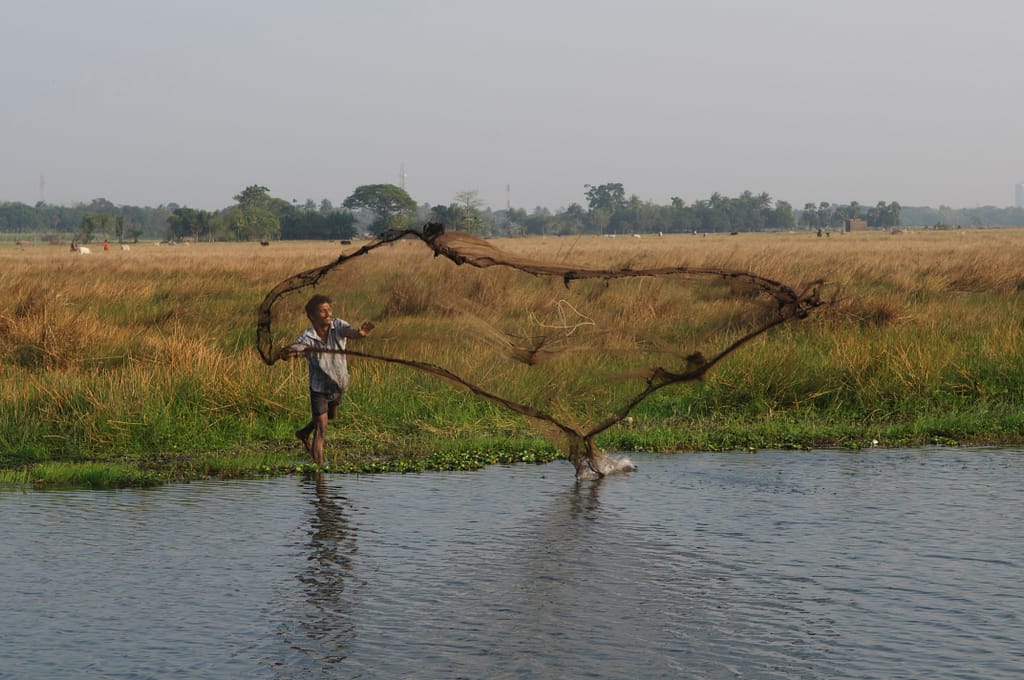
The long-standing relationship between people, water and place links these diverse wetland landscapes. The benefits wetlands provide do not come from ecological processes alone, but from how communities have lived with and managed these systems over time like East Kolkata Wetlands which integrates natural wastewater treatment with aquaculture and agriculture, supporting around 150,000 residents and delivering significant economic and environmental benefits to Kolkata.
IWMI researchers suggest by using broad and generic language, current guidance often overlooks the political and social realities of wetland landscapes. As a result, existing approaches rarely address whose knowledge counts, who bears the costs of conservation, or who has the authority to decide how wetlands are managed.
As climate change intensifies floods, droughts and coastal risks, the relevance of traditional knowledge becomes even more urgent. Sustaining wetlands in a rapidly changing world ultimately depends not only on protecting ecosystems, but on maintaining relationships that have long supported them. India’s wetland landscapes show that wise use is not an abstract principle but a lived reality, offering valuable lessons for building resilient wetland futures.


