How traditional knowledge shapes India’s wetlands
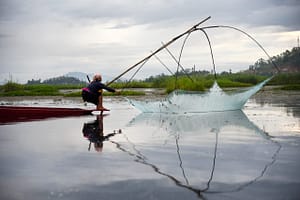
For centuries, communities across the subcontinent have protected wetlands through knowledge systems rooted in living with water. These relationships are essential to today’s conservation.
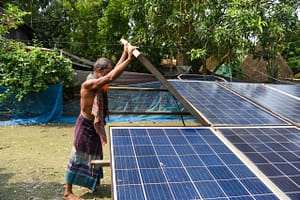
An IWMI study shows that solar irrigation expansion under fee-for-service model can happen without risk to groundwater sustainability.
With projections of up to 1.4 million deaths related to antimicrobial resistance a year by 2030, India needs to take immediate and intensified action.
The second phase of SoLAR kicks off in Bangladesh, advancing the transition toward sustainable, carbon-neutral irrigation.
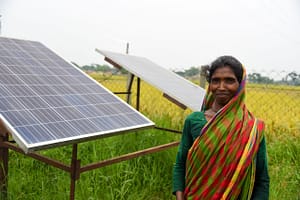
This International Day of Rural Women, IWMI’s innovative finance models are empowering women farmers in India with greater involvement, access to resources and opportunities in agriculture.
Supported by the Swiss Agency for Development and Cooperation (SDC), the SoLAR project will build on proven models approaches to scale the use solar energy for agriculture through policy, finance and innovation.
Floodwater management offers a promising opportunity for Bangladesh’s agriculture to tackle water scarcity, mitigate flooding and promote sustainable development.
The recent launch of the CGIAR Climate Action Program in the Indian states of Odisha and Tamil Nadu marks a major step toward integrating science-based climate solutions into state-level planning and investment – thanks to a strong partnership between local and global actors.