

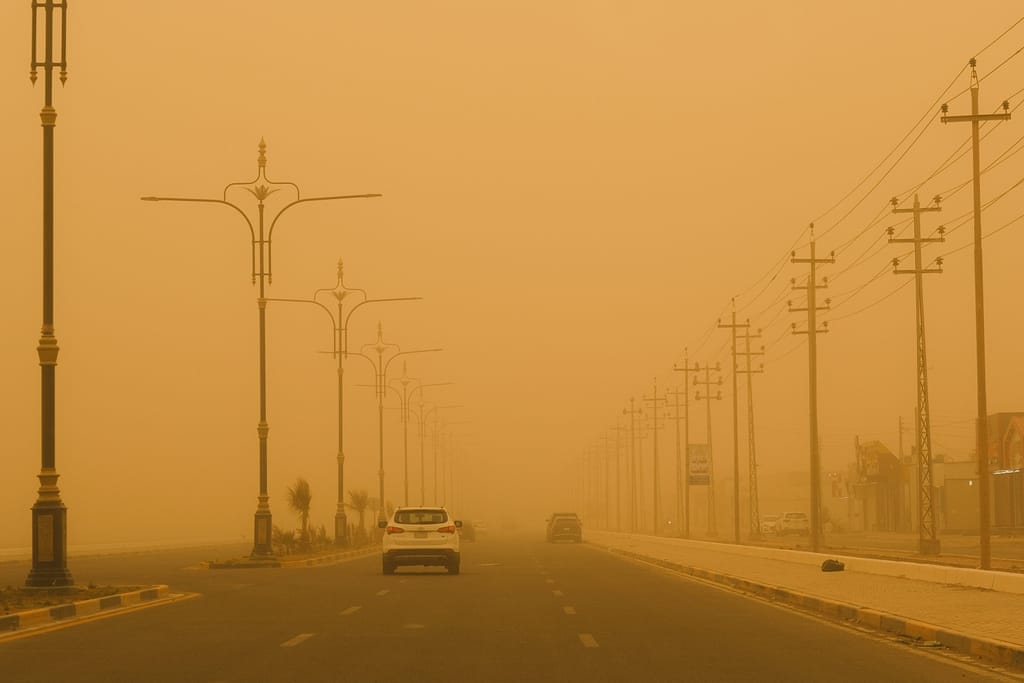
In southern Iraq, sand and dust storms can turn the sky dark for days. Schools close, respiratory diseases rise, transport slows and agricultural fields get buried under layers of dust. In the Dhi-Qar governorate, farmers watch their land disappear under shifting dunes, while shepherds struggle to secure clean water and grazing land.
Dhi-Qar lies at the heart of the ancient Mesopotamian alluvial plain, near the city of Ur and the southern marshlands. Once known as a food basket for the region, today this landscape is stark. Grappling with severe water scarcity, advancing desertification and shifting sand dunes, communities now face relentless dust and sand storms, which are creating a tipping point that is forcing families to leave their homes in search of better opportunities.
Across the globe, the intensity and frequency of sand and dust storms have increased. The United Nations Framework Convention on Climate Change (UNFCCC) estimates that about two billion tons of sand and dust enter the atmosphere each year, roughly the weight of 350 Great Pyramids of Giza.
This World Earth Day, as sand and dust storms leave their mark across landscapes and lives, we raise a simple but urgent question. How do we move from damage to restoration, and from vulnerability to resilience?
To answer this question, the International Water Management Institute (IWMI), through the Wiqaya project, is piloting resilient nature-based water solutions that place water at the center of curbing land degradation and dust risk.
Wiqaya, meaning ‘prevention’ in Arabic, works closely with national authorities, researchers and communities to understand the drivers of sand and dust storms and co-design responses that reflect local realities. Resilient nature-based water solutions are deployed to restore degraded landscapes and help mitigate sand and dust storm risks. IWMI supports this work with science, modelling and drone-based diagnostics, enabling more precise interventions, policy cohesion and capacity building, paving the way for scaling.
The next step is to move beyond pilots and into wider implementation. But what will it take to get there?
Policy that plants the seeds for scale
Resilient nature-based water solutions are effective in moving beyond pilots when embedded in national policies that connect land, water and dust management. Iraq’s national environmental strategies already emphasize vegetation cover and land stabilization. The ongoing green belt projects in Dhi-Qar are a great example, where over 200,000 palm trees were planted to combat desertification.
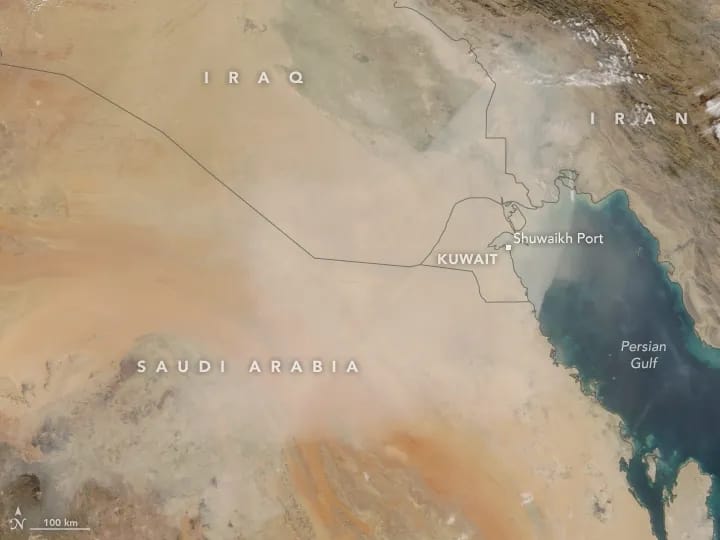
Sand and dust storms know no borders. They move across shared landscapes with environmental impacts felt across countries. This is why regional cooperation is a positive-sum approach to sustainably mitigating transboundary dust management. This includes early-warning and knowledge sharing on vegetation restoration, soil stabilization and water management.
The United Nations (UN) declared 2025-2034 the decade on combating sand and dust storms. As such, countries were encouraged to integrate sand and dust storm mitigation into their National Adaptation Plans (NAPs). In parallel, efforts like the Saudi-led Middle East Green Initiative, which aims to rehabilitate 200 million hectares of degraded land by planting 50 billion trees, are signaling growing political momentum for water-land nexus governance.
Within this landscape, Wiqaya is emerging as an operational bridge across the region, translating lessons from its ongoing pilot in southern Iraq into scalable action. Early work, from sand and dust storm modelling to nature-based solutions and efforts to mobilize private capital, is clarifying how to direct resources for maximum impact. Designed to align with global climate frameworks and convene public actors, the pilot is also beginning to generate measurable results, including reduced dust emissions and restored land and water systems.
Inclusive partnerships that drive action
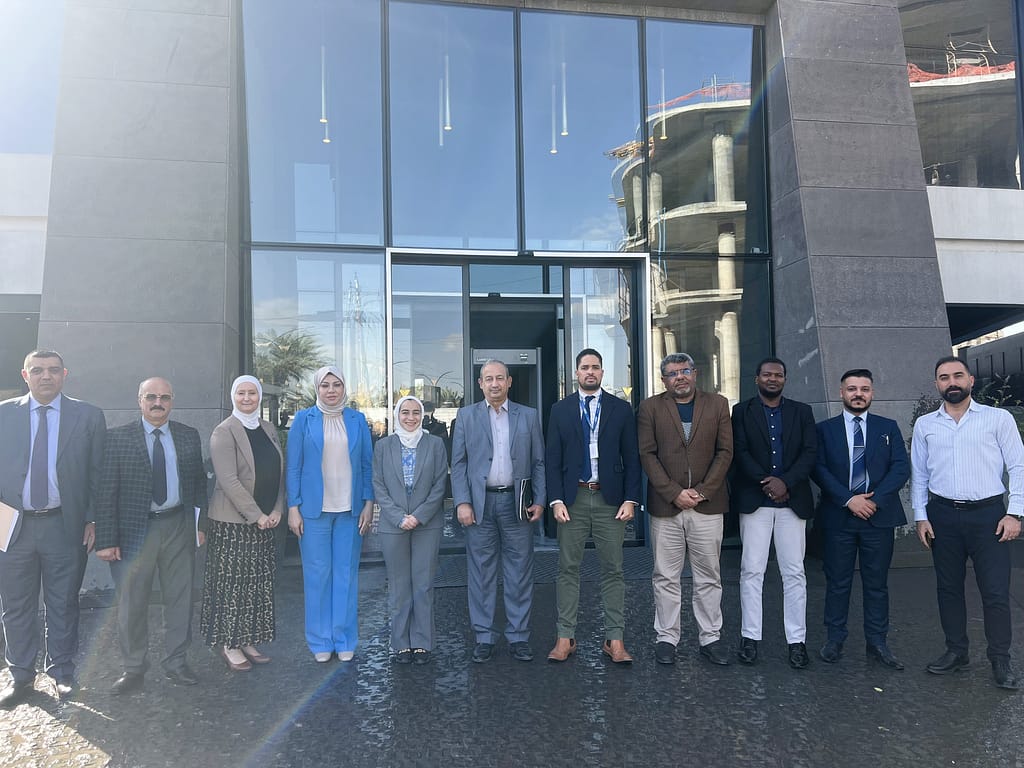
Wiqaya partners are critical to our impact. In addition to the Ministry of Environment and the Ministry of Agriculture, the American University of Iraq-Baghdad, with Mustansiriyah University, is supporting modelling and scenario analysis to identify sand and dust hotspots and test intervention pathways at different scales. At the same time, our local partner, the Women’s Empowerment Organization (WEO) Iraq, ensures that the implementation of resilient nature-based water solutions is technically sound and socially acceptable.
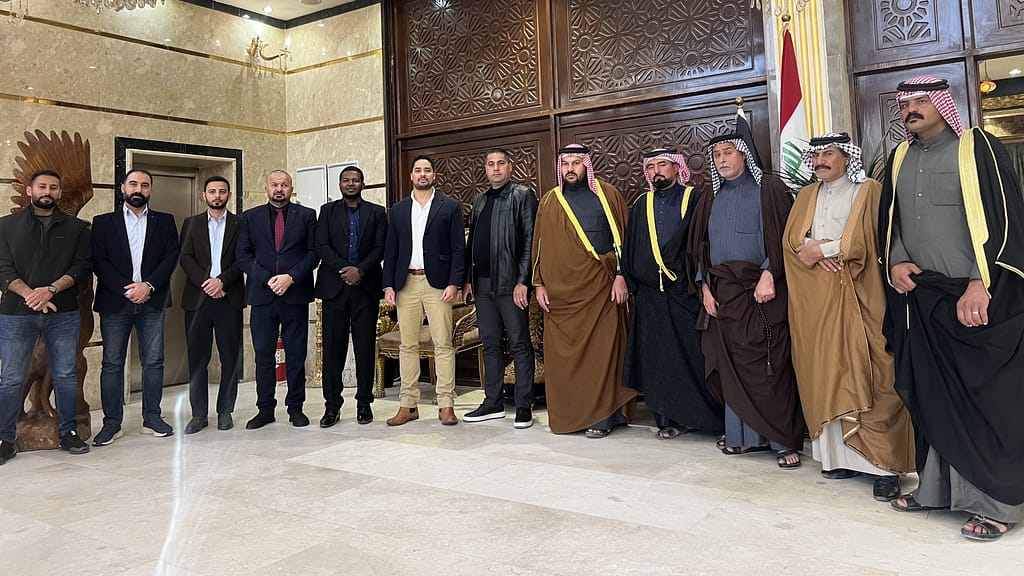
Early engagement with farmers, shepherds and local authorities helps ensure that interventions reflect livelihood patterns, water access and land use realities. At the same time, stronger links are needed between local knowledge, municipal planning and national policy. Approaches that involve communities in maintaining and monitoring interventions can support longer-term sustainability, but they require clear institutional roles and sustained capacity support.
Making resilient nature-based water solutions bankable
Scaling resilient nature-based water solutions requires reliable and consistent investment that links dust mitigation with broader water and land management priorities. Experts point to blended finance as a viable financing solution. Blended finance combines public, donor and private capital to reduce investment risk. Credible pilot data helps reassure investors that blended finance can unlock scalable, nature-based water solutions to address the growing threat of dust- and sand- storms.
For example, a national initiative such as the tree planting campaign in Dhi Qar can serve as an entry point for scaling resilient nature-based water solutions tested under the Wiqaya pilot. Interventions such as shelterbelts, native vegetation restoration and soil moisture retention measures can be integrated into these efforts, strengthening both environmental impact and long-term viability. Government-led national programs also create a platform for blended finance, combining public funding with donor grants and private sector participation, for example through nurseries and irrigation services. Thereby, reducing investment risk and enabling scale.
Embedding resource mobilization planning at the project appraisal stage ensures Wiqaya-tested resilient nature-based water solutions, such as treated wastewater-supported planting, climate-smart agriculture and water-efficient land restoration, are designed with clear blended financing pathways from the outset. These interventions generate economic and environmental returns like improved soil stability, reduced dust exposure and enhanced productivity, encouraging concessional finance that de-risks private investment, particularly through small and medium enterprise engagement in service delivery and maintenance.
On World Earth Day, the challenge in southern Iraq is not only to respond to dust storms as they occur, but to address the degraded water-land systems that allow them to intensify. Through Wiqaya, this means weaving science with national policies and regional environmental cooperation. This requires water–land nexus solutions to be grounded in credible evidence, aligned with national priorities and designed to travel across borders by mobilizing regional actors and unlocking investment beyond the pilot scale.


