

Eighty percent of climate adaptation strategies are water-related. As countries plan for drought, floods or water scarcity, it is now increasingly understood that a different approach is needed to adapt and thrive in new climates: an approach that integrates evidence-based, holistic water resilience into climate adaptation measures.
However, countries still need support to adopt this new approach to policy, especially to unlock the collaborations and financing to take action at the level of rivers, cities and communities where climate impacts become lived realities.
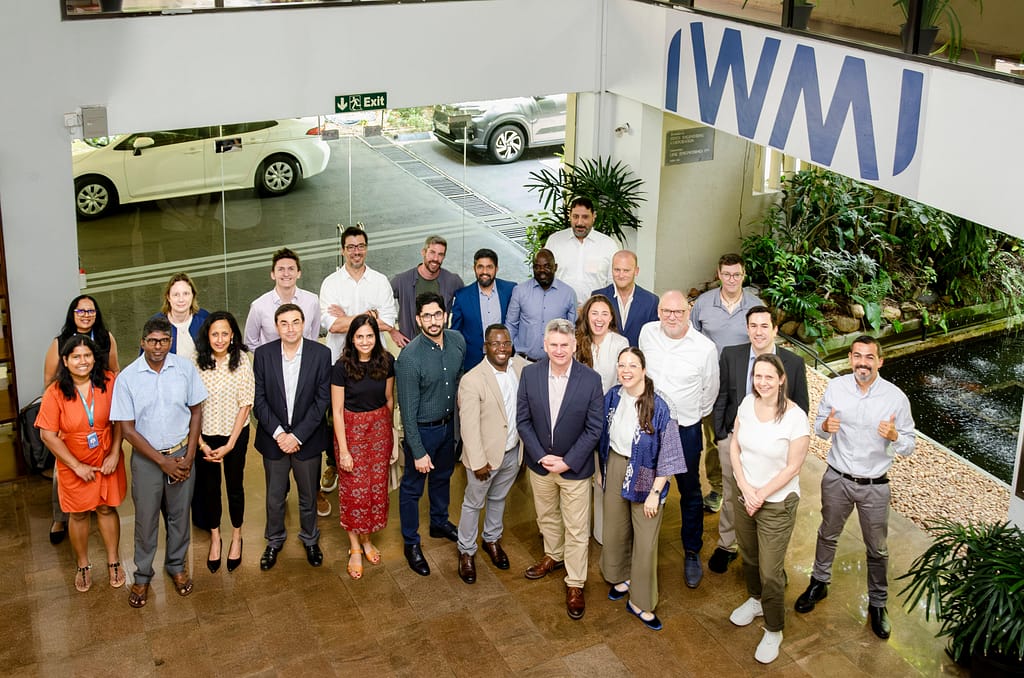
The Water Resilience Tracker (WRT) fills this gap by providing expert advisory services and diagnostic tools that enable countries to design and implement climate policies grounded in water resilience principles and scientific evidence. WRT combines the expertise of the four partner organizations — the International Water Management Institute (IWMI), the international NGO Alliance for Global Water Adaptation (AGWA), the global consultancy group Arup and the independent knowledge institute Deltares.
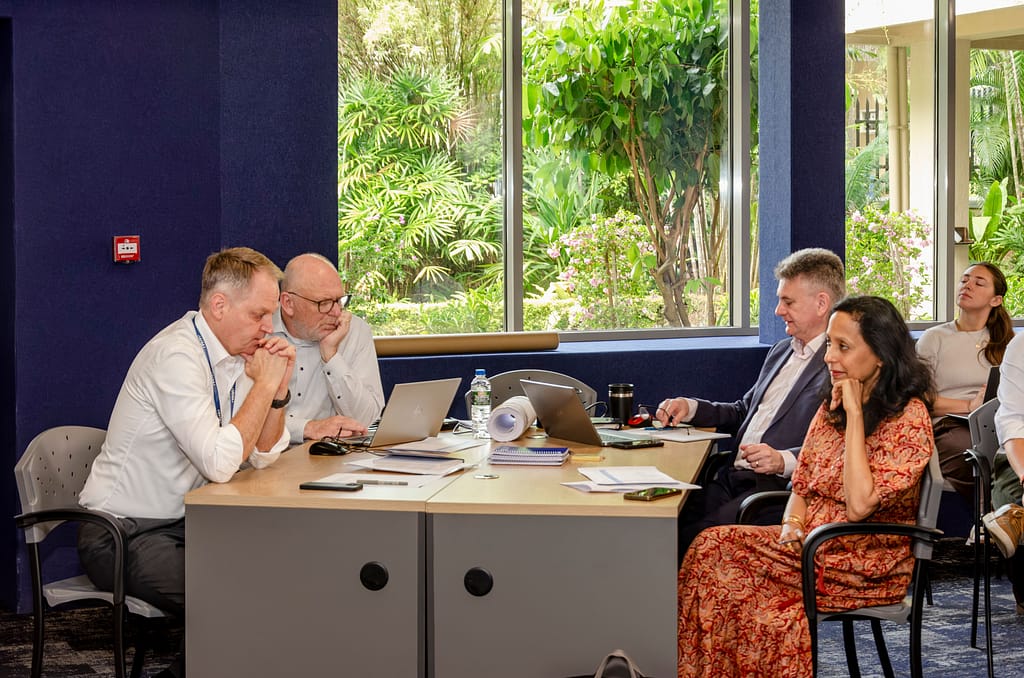
“Our role as IWMI is not just to do research or gather knowledge. It is to help drive and catalyze implementation that really makes the difference on the ground,” said IWMI Director General Mark Smith. “The Water Resilience Tracker is a really important and significant part of building that bridge.”
Now in its third year of operation, WRT has been adopted across countries as diverse as Brazil, Egypt, Malawi, Morocco, Nepal and Panama. The following examples show how the Water Resilience Tracker’s work is enabling countries to tackle water challenges with innovation and impact.
Helping Nepal close the climate finance gap
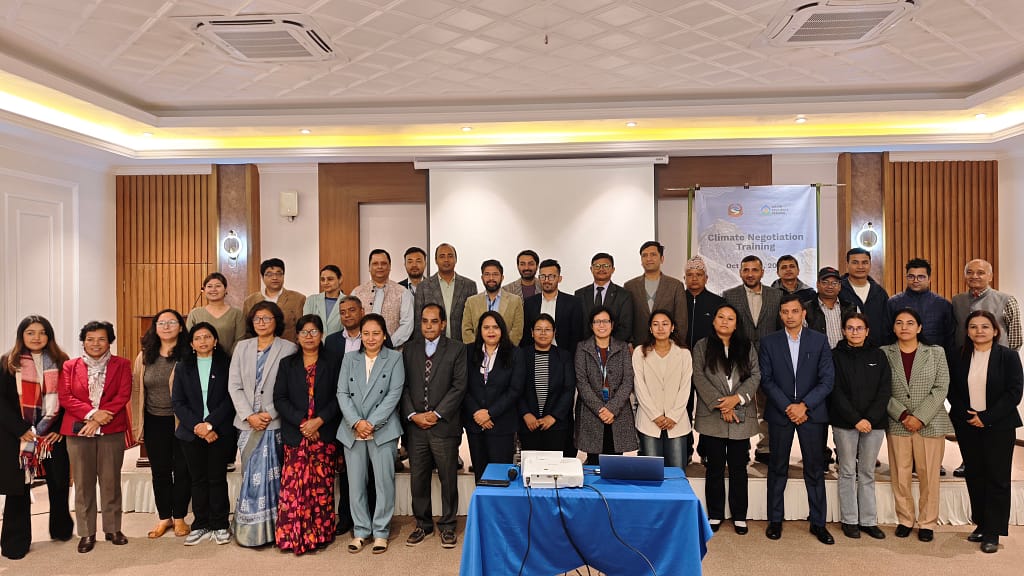
Nepal’s fragile glacial systems, monsoon-driven climate and reliance on climate-sensitive sectors make it highly vulnerable to climate change. The Water Resilience Tracker team has collaborated with the Ministry of Forest and Environment and the Ministry of Energy, Water Resources and Irrigation to evaluate how water is addressed in key policies such as Nepal’s third Nationally Determined Contributions (NDC) under the Paris Agreement.
“In Nepal, we provided technical assistance on updating NDC 3.0. Our teams are now supporting the implementation of NDC 3.0, helping governments identify ways to catalyze finance into projects that support water resilience,” said Darshini Ravindranath, IWMI research group leader for climate policy and Water Resilience Tracker project lead, adding that, “the Water Resilience Tracker does not stop at just advocating for policy change.“
Between 2012 and 2020, Nepal received just $4.4 billion in climate finance. However, Nepal requires $74 billion before 2035 to fully implement NDC 3.0. To meet this gap, IWMI and partners worked with Nepalese authorities to prioritize capacity building on climate finance and negotiations, including training for 55 stakeholders.
“We are also working to strengthen the sub-national government capacities in climate and water,” said Santosh Nepal, IWMI researcher and WRT country lead for Nepal. “In Lumini Province, we are looking to understand the barriers and enablers of effective climate and water actions.”
Closing the data gap in Malawi
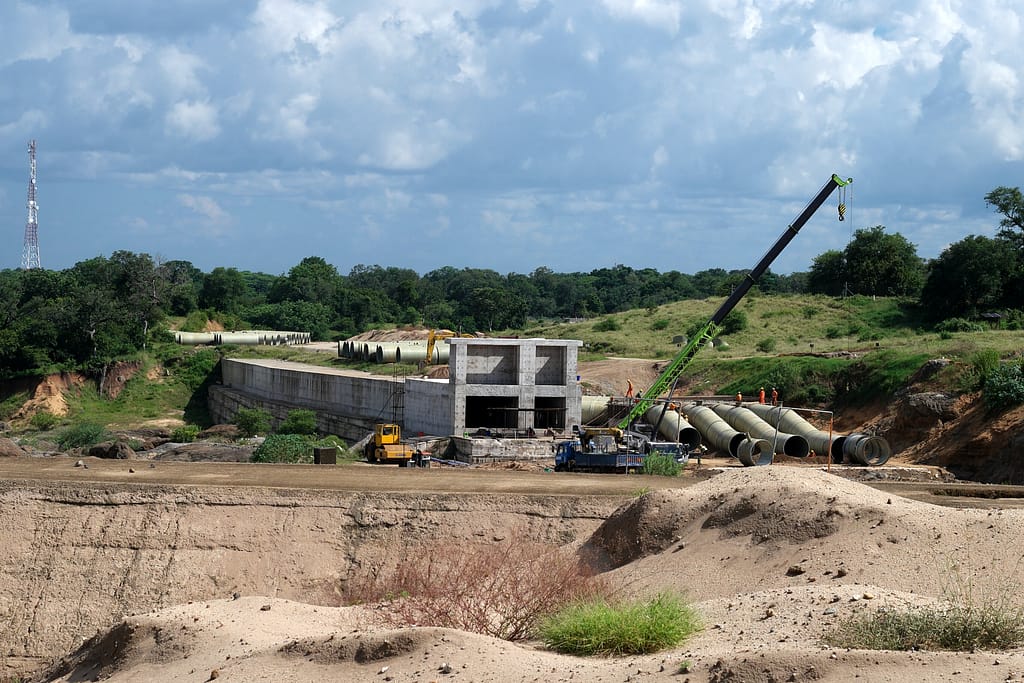
In Malawi, the Water Resilience Tracker team analyzed national policies and provide a national action plan for water resilience. In addition to climate finance, data was identified as a key gap.
“If you do not have enough data, there’s not much you can do from a policy perspective. It undermines your ability to know where challenges are and how to deal with those challenges,” said Greenwell Matchaya, IWMI Senior Researcher and Water Resilience Tracker focal point for Malawi.
In 2025, the diagnostics from WRT guided authorities in Malawi to adopt improved water sector indicators in its revised National Adaptation Plan (NAP). These indicators incorporated climate resilience, adaptive governance and inclusivity. By collaborating on data systems and climate finance, IWMI is supporting Malawi to take action on policies towards transformational change. Plans are underway to apply the Water Resilience Tracker’s analysis tools at the subnational level to Malawi’s Shire basin. This is similar to WRT’s application in Brazil, where water management capacities and practices at the country level were scaled down to resolve basin-scale needs.
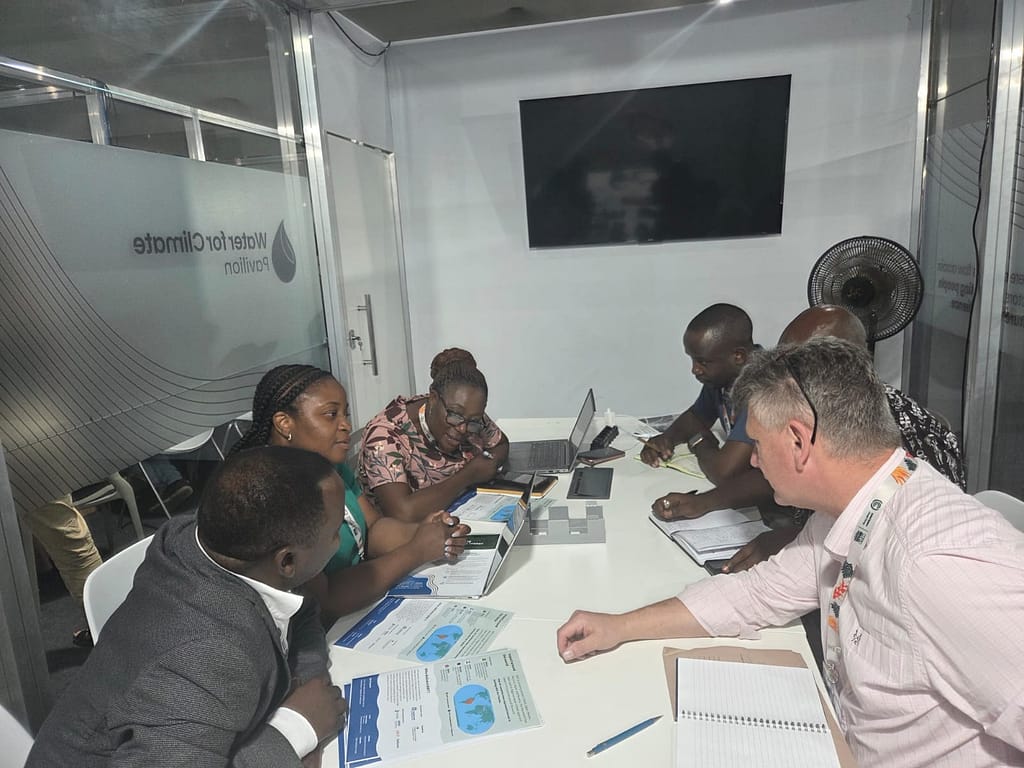
Scaling out across six river basins in Brazil
“We are working on very robust studies, diagnosing how water will behave under climate change projections and how it will affect key sectors such as agriculture and energy, in partnership with basin committees,” explained Glauco de Frietas, IWMI Water Resilience Tracker country lead for Brazil.
Based on these diagnoses, the WRT team ran a detailed analysis, identifying gaps and providing recommendations to improve water resilience across eight national plans, including Brazil’s Nationally Determined Contribution and National Adaptation Plan.
In recognition of the unique challenges faced by different regions within Brazil, the Water Resilience Tracker was used across six river basins to map tailored climate adaptation strategies. IWMI and partners then provided capacity-building support to authorities to implement recommendations.
“The Water Resilience Tracker has been an important tool in helping us identify critical gaps and strengthen adaptation strategies that place water resilience at the center of climate action in Brazil,” said Ana Paula Fioreze from the National Water Agency of Brazil.
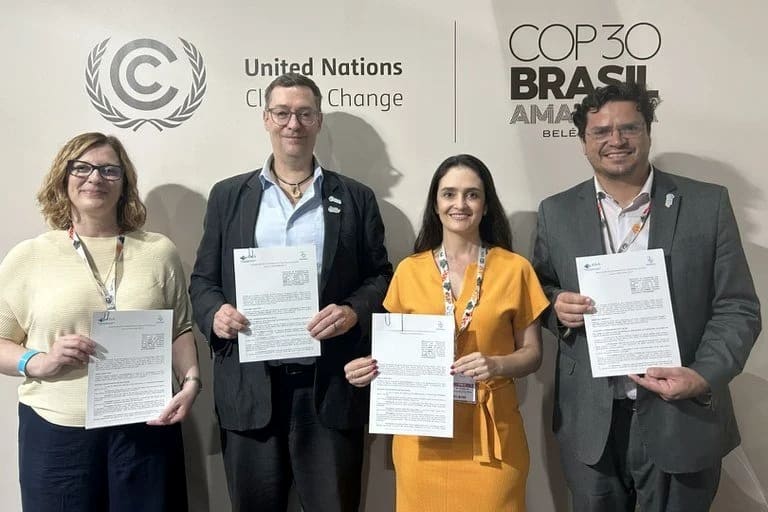
Safeguarding the future of the Nile Delta in Egypt
In Egypt, the Water Resilience Tracker team have collaborated with authorities to assess national policies. “The WRT helped the government evaluate how water is integrated into national plans, identifying gaps to make water management more robust,” said Tarek Shalaby of the Egypt Ministry of Environment at Cairo Water Week 2025.
The WRT team partnered with the Ministry of Water Resources and Irrigation and the Ministry of the Environment to analyze national policy, with plans to apply its diagnostic tools across sectors such as housing or agriculture.
The Water Resilience Tracker takes a comprehensive approach to improving water management practices, reaching across sectors in recognition of water’s critical and intersectional importance. “When we are looking at water management, it’s an integrated outlook. It’s a multi-sectoral outlook,” said Mohamed Yossef, Water Resilience Tracker country lead for Egypt. As the Water Resilience Tracker’s application in Egypt shifts to the governorate level, the focus is on building resilience to the unique challenges faced in the Nile River Basin — identified as a vital hotspot for regional prosperity.
Towards a blueprint for climate-water resilience
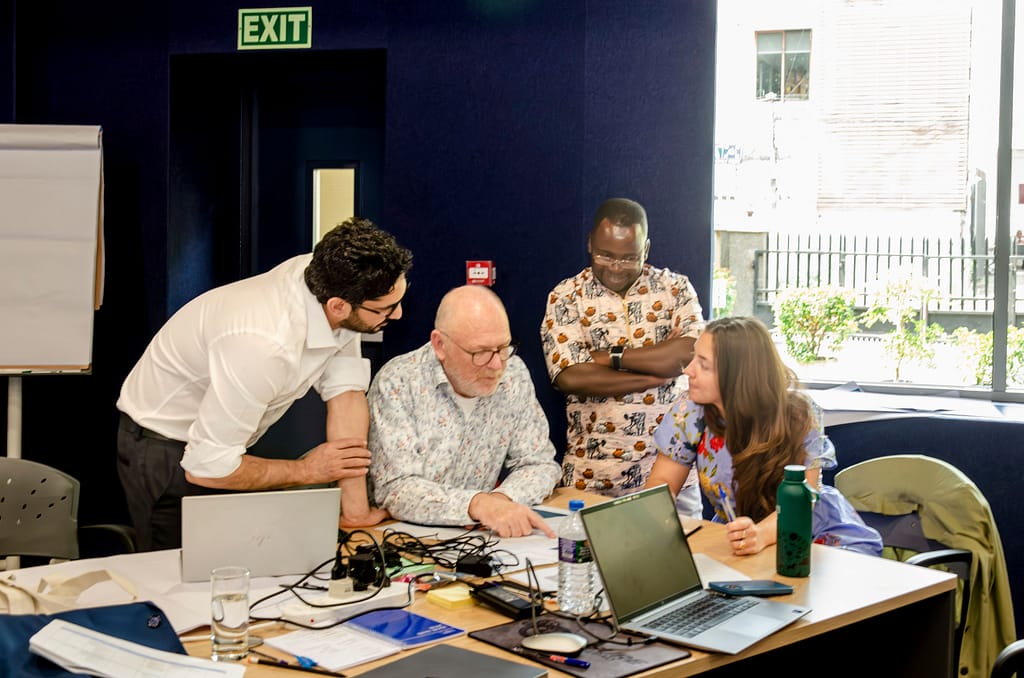
As the teams from AGWA, Arup, IWMI and Deltares shared these experiences of the Water Resilience Tracker’s value in practice at a February workshop in Colombo, Sri Lanka, the conversation shifted to how to standardize and streamline the tool. The next step is to cover more countries, while keeping WRT’s modular and based on individual country needs. Cross-country and peer-to-peer learning will be key to sharing lessons learned and identifying new opportunities.
Over 40 countries have expressed interest in utilizing the Water Resilience Tracker, demonstrating a global interest in water resilience as a priority in the fight against climate change. As WRT’s approach becomes more relevant and functional for national partners, it reveals pathways to transformational change in regions with the most urgent need.


