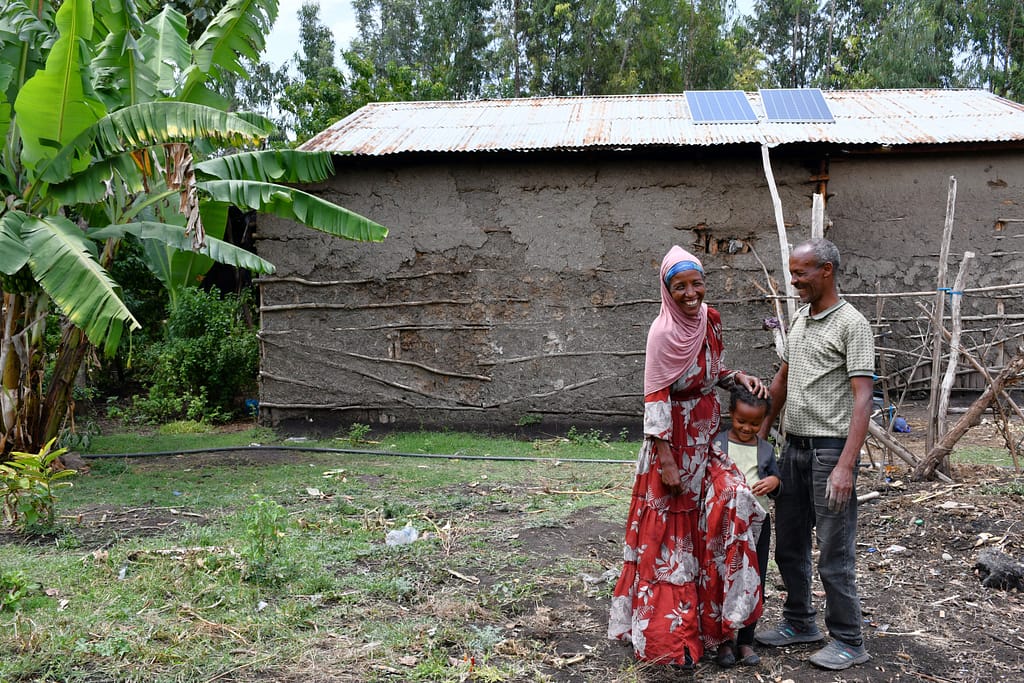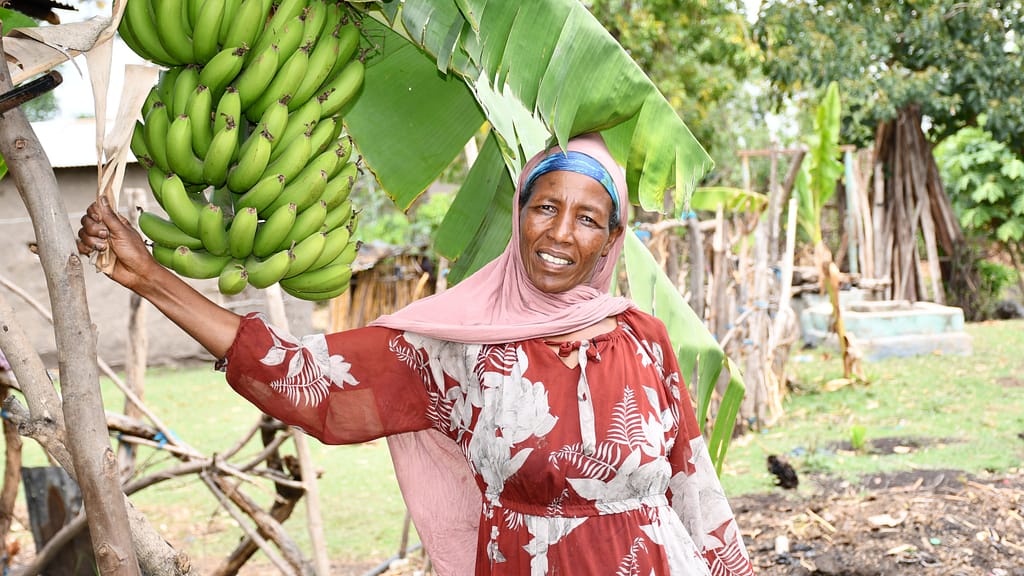
Less than 6% of cultivated land in sub-Saharan Africa is equipped for irrigation, and only 1% of the region’s irrigation potential is harnessed despite substantial scope for expansion. This leaves most farmers dependent on increasingly erratic rainfall despite the continent’s vast solar energy potential.
Yet solar-powered irrigation is no longer Africa’s technological innovation challenge. In Ethiopia and Nigeria, the technology has already demonstrated its ability to boost agricultural productivity, improve water management and strengthen farmers’ resilience to climate change.
The real obstacle lies elsewhere – creating the financing, skill, policies, markets and partnerships needed to move solar irrigation from successful pilots to widespread adoption.
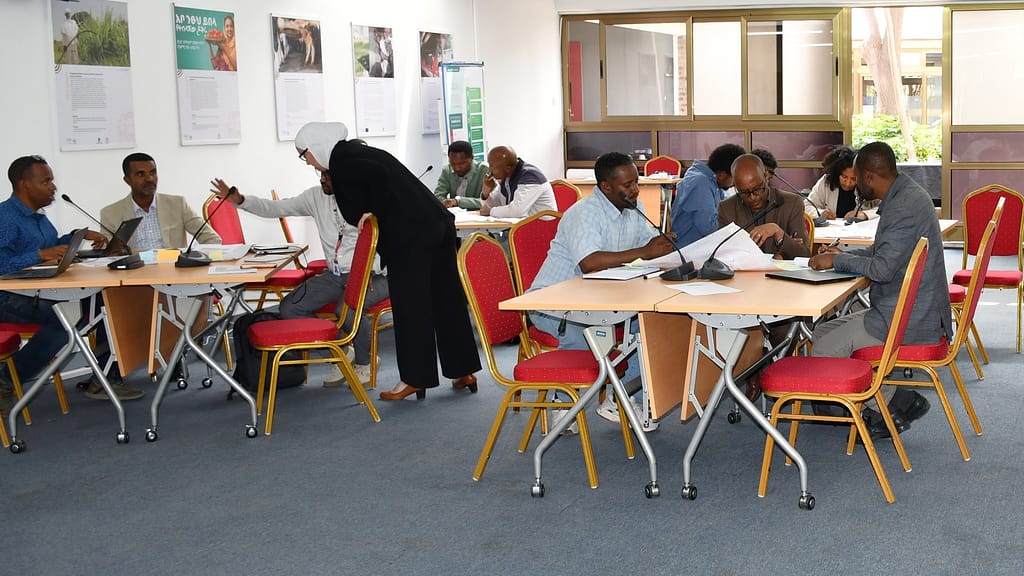
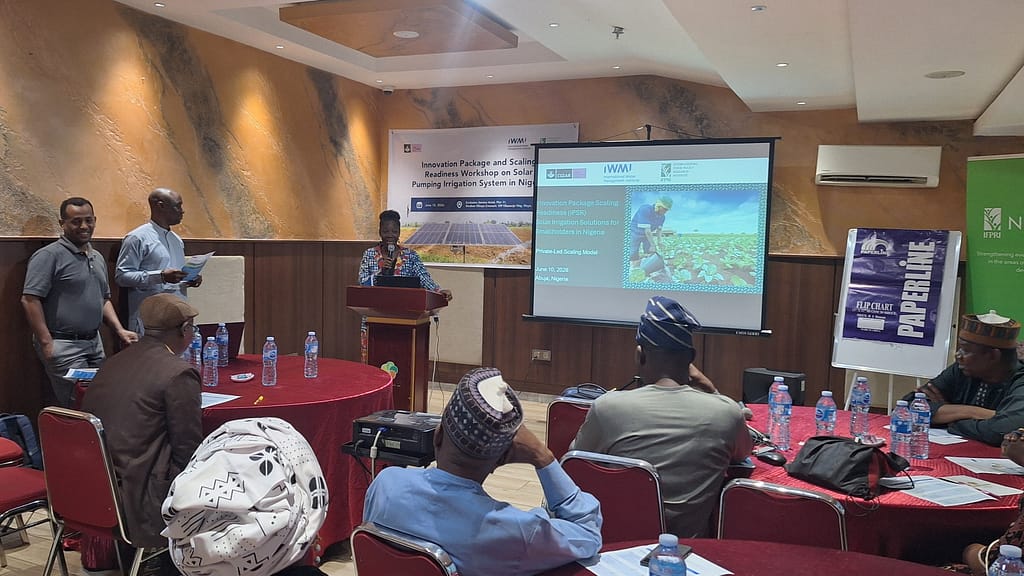
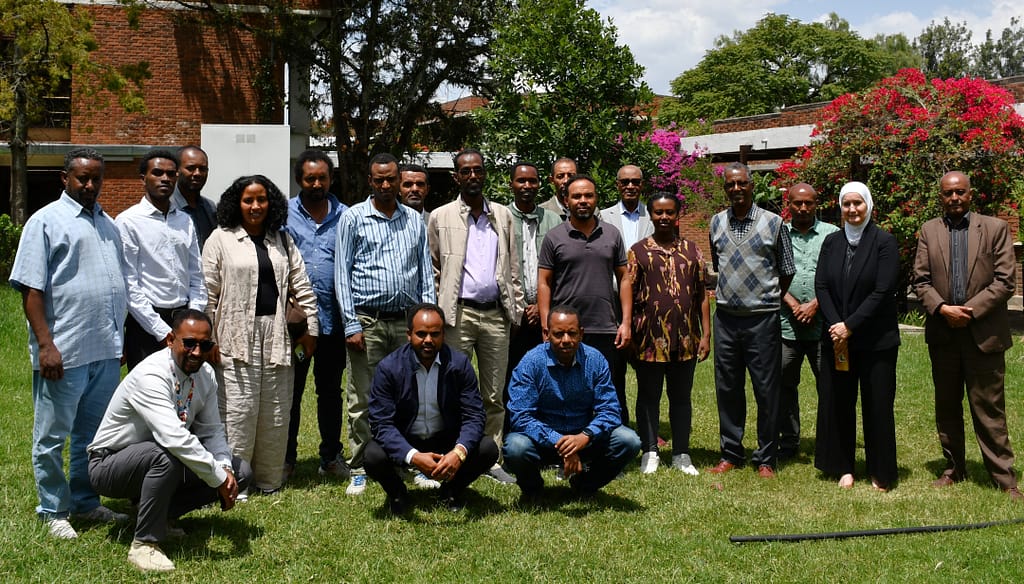
This was the central conclusion from stakeholder dialogues convened by the International Water Management Institute (IWMI), International Food Policy Research Institute and national partners in Ethiopia and Nigeria. Using CGIAR Innovation Packages and Scaling Readiness (IPSR) framework, government agencies, researchers, private companies, financial institutions and development partners assessed not only the maturity of solar-powered irrigation systems (SPIS) but also the broader ecosystem required to support scaling.
Maha Al-Zu’bi, IWMI regional researcher on Sustainable and Resilient Water Systems, elaborated that the IPSR framework evaluates both the maturity of an innovation and the extent of its adoption. More importantly, it helps stakeholders identify bottlenecks across the wider innovation ecosystem that can prevent successful scaling.
The assessment showed that SPIS is no longer an emerging technology but a proven innovation ready for expansion. The priority now is shifting attention from improving the technology itself to strengthening the systems that enable farmers to adopt it.
For Amare Haileslassie, a principal researcher at IWMI, the findings represented an important shift in thinking. The question is no longer whether solar irrigation works. It is why so few farmers can access it despite growing evidence of its benefits.
Beyond technology
Farmers need financing more than persuasion. Across both countries, affordability and access to finance emerged as the single greatest constraint. Although demand for solar irrigation is growing, the upfront cost of purchasing and installing systems remains beyond the reach of many smallholder farmers.
Knowledge gaps present another challenge. While governments, researchers and development organizations are increasingly familiar with solar-powered irrigation systems, many farmers still lack practical information about available technologies, financing options, expected returns on investment and where to obtain technical support. Awareness at the institutional level has yet to translate into informed decision-making at farm level.
Skills are equally important. Installing, operating and maintaining solar irrigation systems require technical expertise that many farmers, extension officers and local technicians have not yet acquired. Without reliable advisory services and ongoing technical support, even proven technologies struggle to deliver long-term benefits.
Access to services also remains uneven. Qualified technicians are often concentrated in urban areas, leaving rural communities with limited access to installation, maintenance and repair services. In Ethiopia, stakeholders further identified weak supply chains and limited after-sales support as significant barriers, restricting adoption even where demand already exists.
The strongest message from the dialogues was that none of these challenges can be solved by a single institution. Scaling solar irrigation depends on coordinated action across governments, financial institutions, research organizations, private companies and development partners. Yet weak coordination often slows investment, fragments efforts and limits opportunities for collaboration.
Roadmaps for scaling
Recognizing these barriers, stakeholders developed country-specific roadmaps to accelerate scaling. Despite differences between Ethiopia and Nigeria, four priorities emerged consistently: improving access to finance, strengthening awareness, building technical capacity and enhancing coordination among key actors. Ethiopia also highlighted the need to strengthen technology availability and expand national innovation expertise.
The proposed actions are practical and achievable. Financial institutions and equipment suppliers can introduce financing models better aligned with seasonal agricultural incomes, including concessional loans, vendor financing and blended finance approaches. However, improving access to finance is not only about developing new financial products but also organizing farmers in ways that reduce risk and make lending more viable.
“Sustainable irrigation financing depends on well-structured farmer groups rather than isolated individuals,” said Ibrahim Abdulahi, value chain optimization group head at Nigeria Incentive-Based Risk Sharing System for Agricultural Lending. “By clustering farmers, equipment suppliers and financial institutions can unlock affordable credit and accelerate the scaling of solar solutions for irrigated agriculture.”
Alongside innovative financing, governments, development partners and the private sector can expand awareness campaigns that help farmers understand available technologies and investment opportunities. Research institutions, extension services and private companies can strengthen technical training, while multi-stakeholder platforms can improve coordination, reinforce supply chains and expand after-sales services.
The next race for solar irrigation
Agricultural technologies often struggle because the surrounding systems — finance, markets, policies, institutions and support services—have not kept pace. As Seifu Tilahun, IWMI senior researcher on Hydrology and Water Resources, noted, solar-powered irrigation has already demonstrated its readiness for scale in both Ethiopia and Nigeria. The challenge now is to ensure the systems around it are equally prepared.
Until finance becomes more accessible, technical support reaches rural communities and institutions work together more effectively, one of Africa’s most promising climate-smart agricultural technologies will remain beyond the reach of many smallholder farmers.