

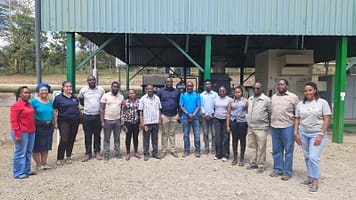
How Kenya is building a durable roadmap for irrigation financing
The draft national guidelines for irrigation water tariffs are a key step towards operationalizing Kenya’s National Irrigation Sector Investment Plan.
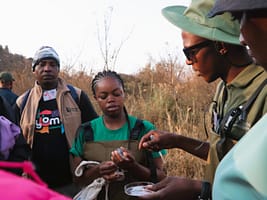
Citizen scientists upskill to support water security in the Limpopo River Basin
Meet the community members across southern Africa helping to monitor the health of their rivers with simple, low-cost tools and

How a 15-centimeter tube saves water in West Africa’s rice production
Learn how to make an Alternate Wetting and Drying (AWD) tube, which is a climate-smart solution for sustainable rice intensification.

Experts call for new Himalayan Risk Strategy after Bhotekoshi floods
IWMI’s Santosh Nepal spoke to República about the Bhotekoshi floods, urging authorities that future infrastructure cannot be designed only around
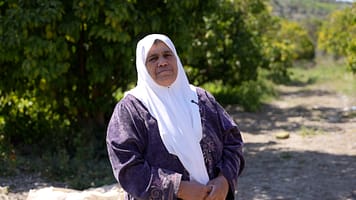
Women farmers in the West Bank work towards equal water access
A community-managed water system in Palestine is enabling women farmers to advocate for their water rights.

Africa won’t transform food systems without investing in water
IWMI's Olufunke Cofie reflects how for millions of farmers, late rainfall, a failed rainy season or devastating flood can determine
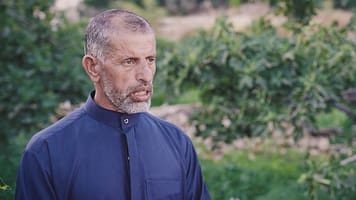
The water keepers of Jordan’s Iraq Al-Amir
An owner of Wadi Al-Seer’s prized fig orchards shares how canal rehabilitation restored 30% of lost water and benefited 15,000

Kenya pushes data-driven irrigation at World Water Week
The Water Availability and Demand tool developed by the National Irrigation Authority, IWMI and FAO to support irrigation planning, water
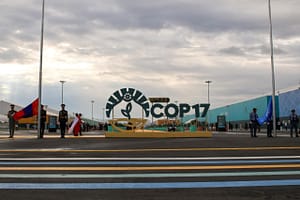
IWMI’s Drought Action Catalyst to help countries close drought financing gap
At UNCCD COP17, IWMI presented a strategy for a financing framework to shift drought finance from crisis response to resilient

A canal that pays for itself in Wadi Al-Seer, Jordan
A rehabilitated canal increased farmer income by 30%, cut water loss to near zero and powers a self-sustaining irrigation cooperative.
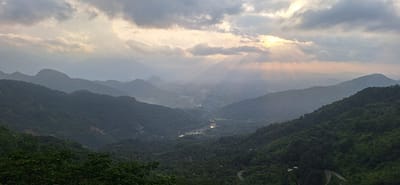
Why restoring landscapes means restoring the whole water cycle
Land and water are intrinsically linked. Restoring landscapes means understanding how water moves, where it is stored and how availability
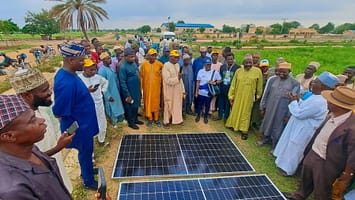
What Nigeria needs to scale solar irrigation
Experts identify key priorities for scaling solar irrigation in Nigeria, helping farmers extend production into the dry season.
Beyond the false dichotomy
Last in a three-part series, IWMI researchers reconcile divergent approaches to contemporary wetland governance.

Rights of nature or human rights?
Second in a three-part series, IWMI’s Chaturangi Wickramaratne argues that “rights of nature” offers the strongest foundation for wetland governance.

If solar irrigation is over-drawing groundwater, you’re doing it wrong
Over the past five years, India’s agricultural solar program, PM-KUSUM, has installed over 2.5 million solar pumps, making them affordable
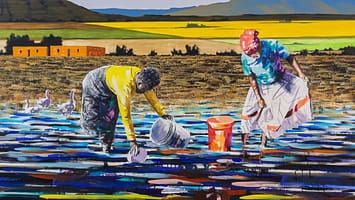
What eight decades of water governance can teach us about the future
Ahead of Stockholm World Water Week, leading water scientist Roberto Lenton argues that a global institutional architecture for water is
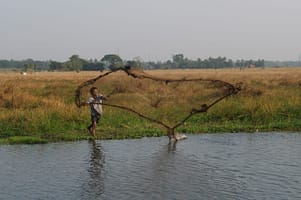
Human rights or nature’s rights?
First in a three-part series on wetland governance, IWMI’s Matthew McCartney argues for human rights over emerging “rights of nature”
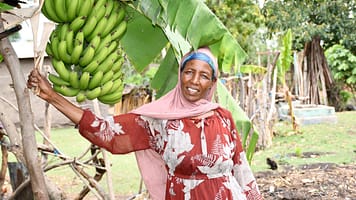
Solar irrigation technology is ready to scale, but is the system?
Innovative finance, partnerships and farmer support will determine Ethiopia and Nigeria's solar irrigation future.
When water has no price, land pays the cost
How fiscal reform of agricultural subsidies and tariffs can finance land restoration.
The hidden foundations of climate adaptation
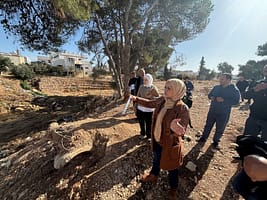
Lessons from Jordan’s refugee and host communities outline the enabling conditions that should shape the design and scaling of lasting
Applications open for Circular Bioeconomy Innovation Challenge 2026
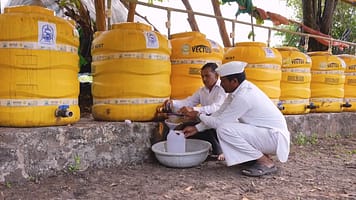
Selected finalists will have the opportunity to pitch their innovations at the World Circular Economy Forum 2026 in India.
Trees for Halaba’s land restoration, livelihoods and legacy
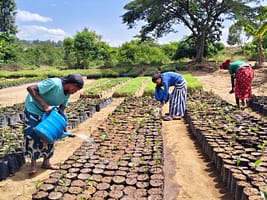
A modest zonal nursery is helping restore landscapes and livelihoods while inspiring environmental stewards in Ethiopia's Halaba community.
In search of places where climate resilience can take root
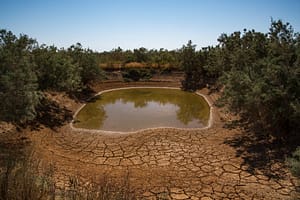
IWMI researchers develop a site selection approach for Jordan where climate hazards, social conditions and governance needs align.
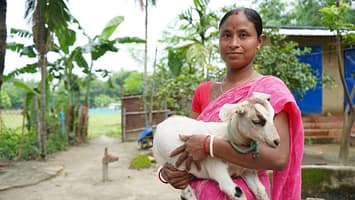
Data-driven decisions to boost women-led livestock entrepreneurship in Assam
A GIS-powered decision support tool helps livelihood officials in India target livestock investments where they can have the greatest impact.
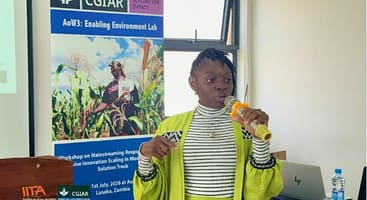
Inclusive scaling pathways create real-world impact
IWMI researchers translate responsible scaling principles into practice by embedding inclusive innovation pathways in food systems.

How AI helped capture community feedback on water systems
The final blog in this series explores how AI was used to capture deeper community feedback in India and how

Rethink Africa’s smallholder irrigation
IWMI's Muluken Elias Adamseged shares how Africa’s true irrigation potential will be unlocked by an innovative and coherent investment framework
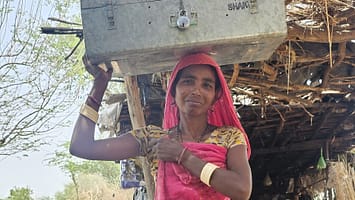
What community water leaders had to say about why they continue to volunteer
The second blog in this three-part series explores the motivations of community volunteers in India and the challenges they face.
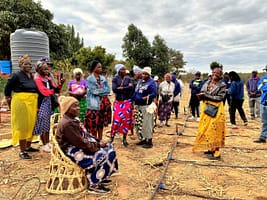
A village leader in Zimbabwe shares her experiences in building water security
In conversation with IWMI, Sabina Shonhiwa says reliable access to water could transform her community far beyond agricultural gains alone.
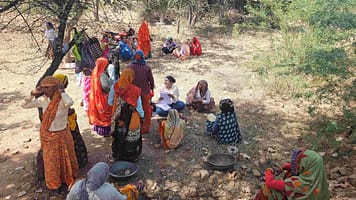
Why water governance needs better community feedback
The first blog in this three-part series explores why lived experience should be at the heart of designing and improving

Groundwater is the unseen ace in the pack of water resilience
Countries can make progress on SDG 6 by integrating groundwater into water planning, policy and investment.

The vital role of safe spaces in agriculture research
How a gender-transformative methodology applied in Malawi evolved into a research tool for inclusive innovation adoption and responsible scaling.

One rainy day
A short film exploring flood risks through expert insights and guidance on preparing for extreme weather events.

IWMI’s Water Governance Accelerator
The Water Governance Accelerator supports countries in meeting international commitments through evidence-based solutions grounded in IWMI's scientific expertise.
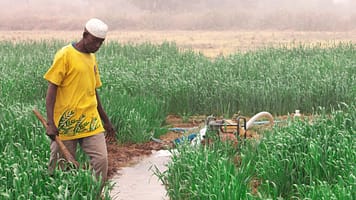
Lake Chad is gaining water and that reshapes the irrigation agenda
IWMI estimates targeted irrigation investments around a recovering Lake Chad, could feed over 12 million people and unlock billions in

Digital inclusion in agriculture
IWMI's Sanju Koirala explains why connectivity alone is not enough for digital agriculture to succeed.
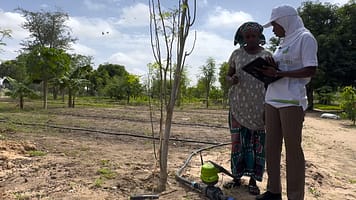
Young African innovators are transforming smallholder irrigation
AI-enabled irrigation systems are reducing water use on farms by as much as 55% in West and Central Africa.

One phone call helps Ghana’s smallholder farmers access irrigation
The IRRILINE advisory service, co-created by IWMI and Farmerline, is live in Ghana and starts just by dialling 399.
Growing food and solar power on the same land
Bangladesh is racing to expand renewable energy, but one question continues to challenge policymakers: where will all the new solar
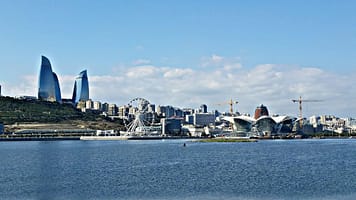
From Baku to bankable
How FCDO and IWMI are turning pilots into investment opportunities with international financial institutions in fragile contexts.
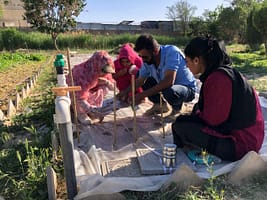
Kitchen gardening for climate resilience
Climate-smart kitchen gardens are an avenue for women and youth to improve food security and conserve water in Pakistan.
IWMI launches ENSO Outlook to turn El Niño forecasts into anticipatory action
The reliability of modern climate predictions presents a window of opportunity in which to act to prevent the worst impacts
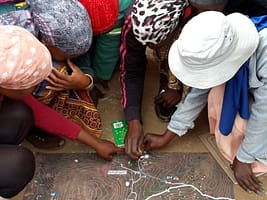
Who sustains water infrastructure after the ribbon is cut?
In South Africa, strong community and municipal collaboration keeps water services reliable beyond construction and opening ceremonies.

Rethinking Barind’s water crisis
Water scarcity in Bangladesh's Barind shows that the real challenge lies not only in conserving water, but also in governing
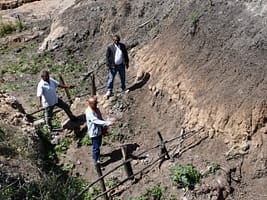
Ethiopia’s Halaba community fights back against the gullies
Community-led restoration shows landscape recovery starts with local ownership.

When El Niño stops being a probability
IWMI’s Giriraj Amarnath explains how early guidance for farmers can turn a looming dry spell from a potential disaster into

Revived Roman canal brings new life to Iraq Al Amir farms
The rehabilitation covered 650 metres of the canal under Al Murunah, a project funded by the UK's Foreign Commonwealth and
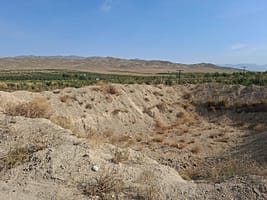
Central Asia moves together toward drought readiness
A regional assessment maps how five Central Asian countries are impacted by droughts and how they can collaborate on mitigation.
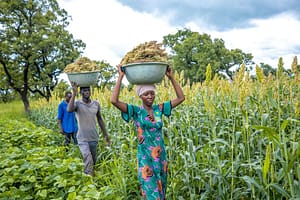
May-June 2026 Research Journal Roundup
Roundup of research, journal and other academic articles from May and June 2026.
Water, multilateralism and the architecture the world deserves
Henk Ovink, Chair of IWMI’s Board of Governors shares that the water cycle can be a catalyst for local-to-global cooperation,
