
Zambia is grappling with increasing climate variability from delayed rains to flash floods, amplified in 2025 by La Niña conditions, which have brought even more unpredictable rainfall. For the country’s smallholder farmers, reliable and actionable weather information is essential to navigating these increasingly uncertain growing conditions. Yet, dependable forecasts remain scarce, leaving many farmers in the lurch.
A persistent gap remains between national-level climate forecasts and the day-to-day realities of smallholder farmers. In the absence of localized, timely and easy-to-understand advisories, farmers rely on generational knowledge to guide planting decisions and prepare for extreme weather.
Experts from the Zambia Meteorological Department (ZMD) and the International Water Management Institute (IWMI) came together to bridge this gap. They equipped agricultural officers, meteorologists and disaster management personnel in Chisamba district with the tools and knowledge to deliver seasonal forecasts that are clear, meaningful and actionable for farmers.
Weather predictions in farming terms
IWMI trained officers from the Chisamba districts to co-create localized advisories, ensuring that national-level climate information is meaningfully applied at the community level. For example, the new message on the forecasted “above-normal rainfall” for the Chisamba district will include information on the likely impact on dams and weirs being filled to capacity, allowing for increased allocations of water for irrigation. The messages to farmers will include early warnings on possible contamination of water sources and potential flood zones. The updated message will also carry practical guidance on how to mitigate risks. The forecast interpretation can also include additional agriculture-related guidance on planting crops that better align with climate conditions.
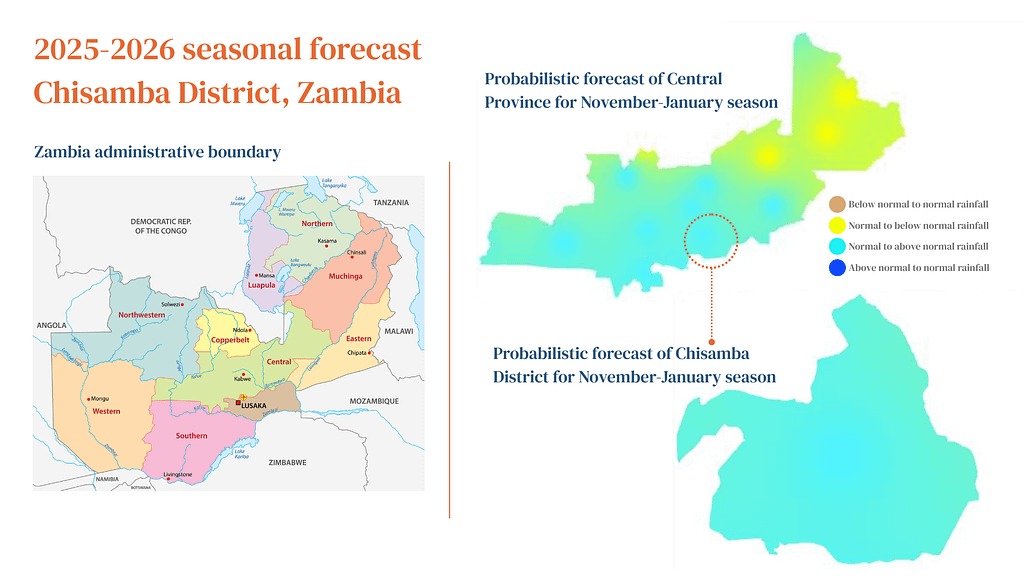
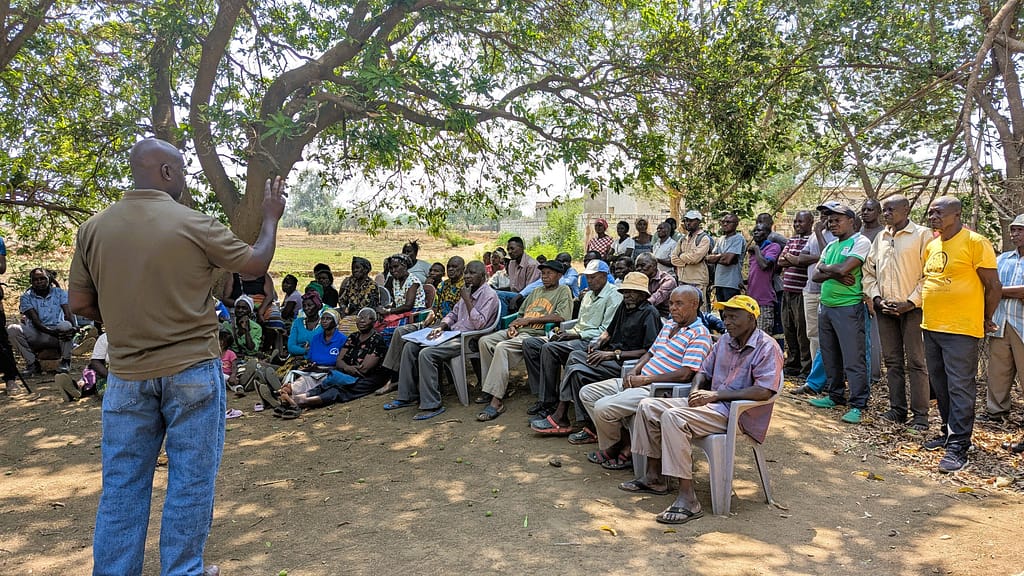
The forecasting process relies on a combination of observational data and global climate datasets, particularly sea surface temperatures, which play a critical role in influencing regional climate variability. These forecasts are often technical and laden with jargon, making them difficult for farmers to interpret and use effectively. Therefore, as a next step, district officers stress-tested this new forecast format with over 160 farmers at the Chisamba Central Camp.
As the last-mile user of these forecast data, farmers were eager to engage with officers and unpack technical terms like “above-normal” and “below-normal” rainfall and what those signals mean for their fields, planting decisions and the season ahead.
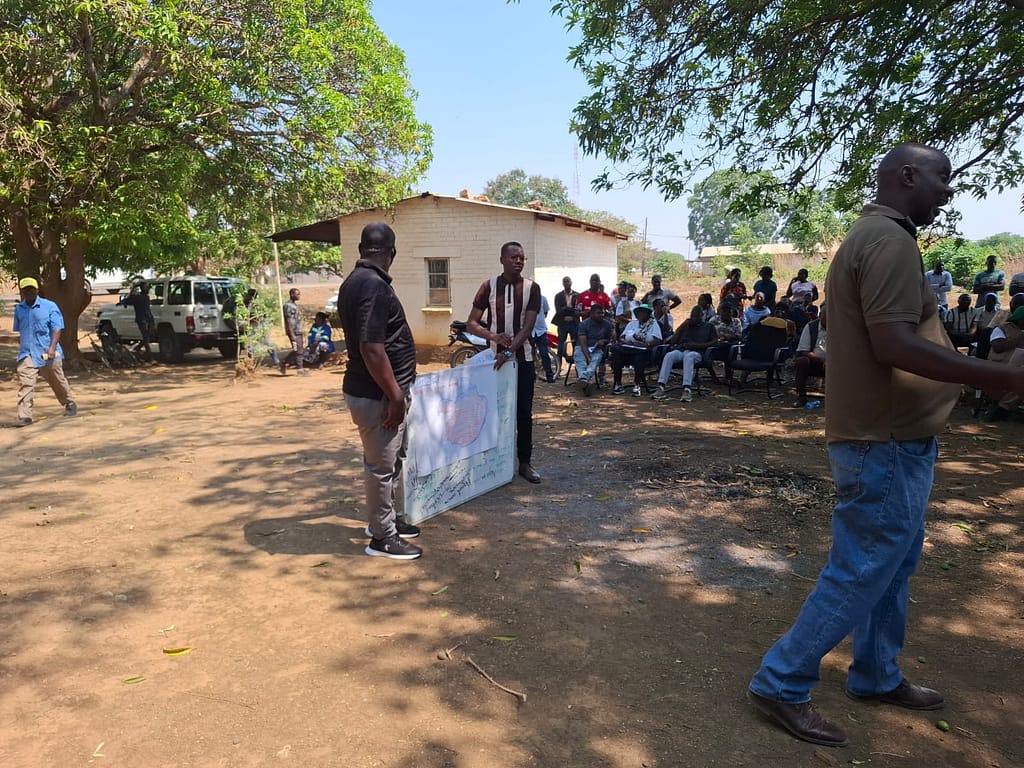
During the farmer consultations, Chisamba Agriculture Extension Officer, Joffrey Chimpanamba used flipcharts, diagrams and participatory discussion techniques to share information on projected weather conditions. He explained what increased water availability could mean for expanded planting areas and how shifting weather patterns might ease certain pest pressures. As the discussion went on, some farmers sought clarity on preparedness and water management practices given the predicted rain forecast. One farmer inquired, “Since you said we will have above-normal and below-normal rainfall, which seeds should we use for our crops given these predictions by ZMD?”
Meanwhile, another Chisamba Agriculture Extension Officer, Edward Sichivula advised farmers to proceed with caution, noting possible risks such as waterlogging and soil erosion. He recommended timely input preparation, proper drainage systems and climate-smart practices such as mulching and intercropping.
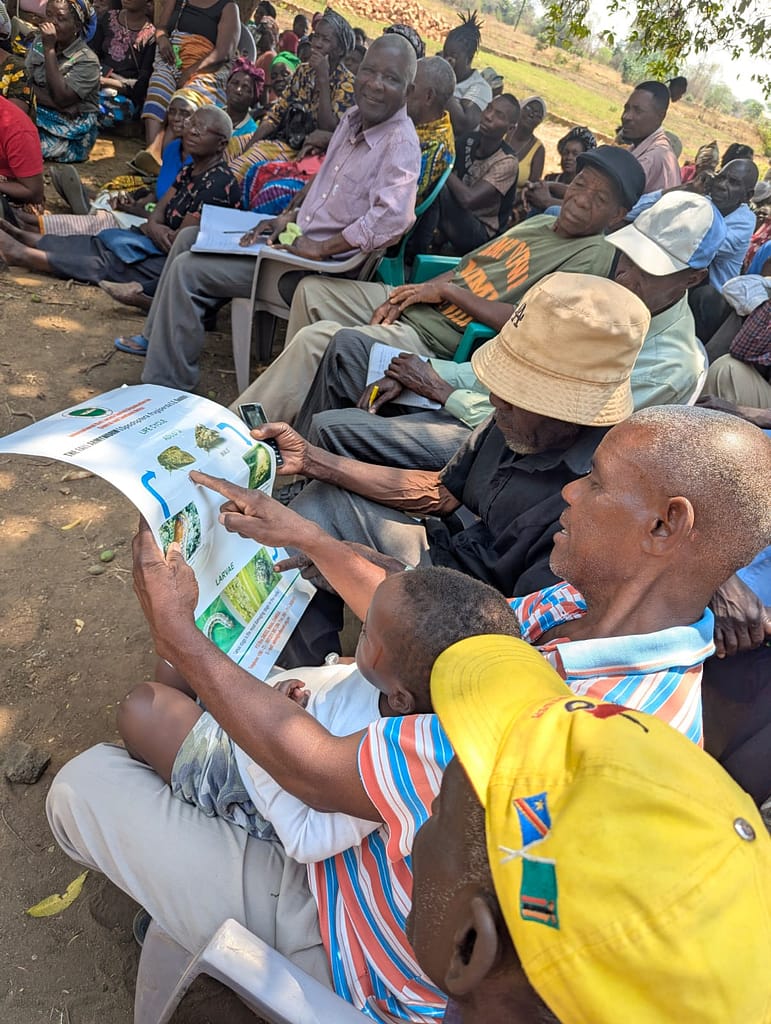
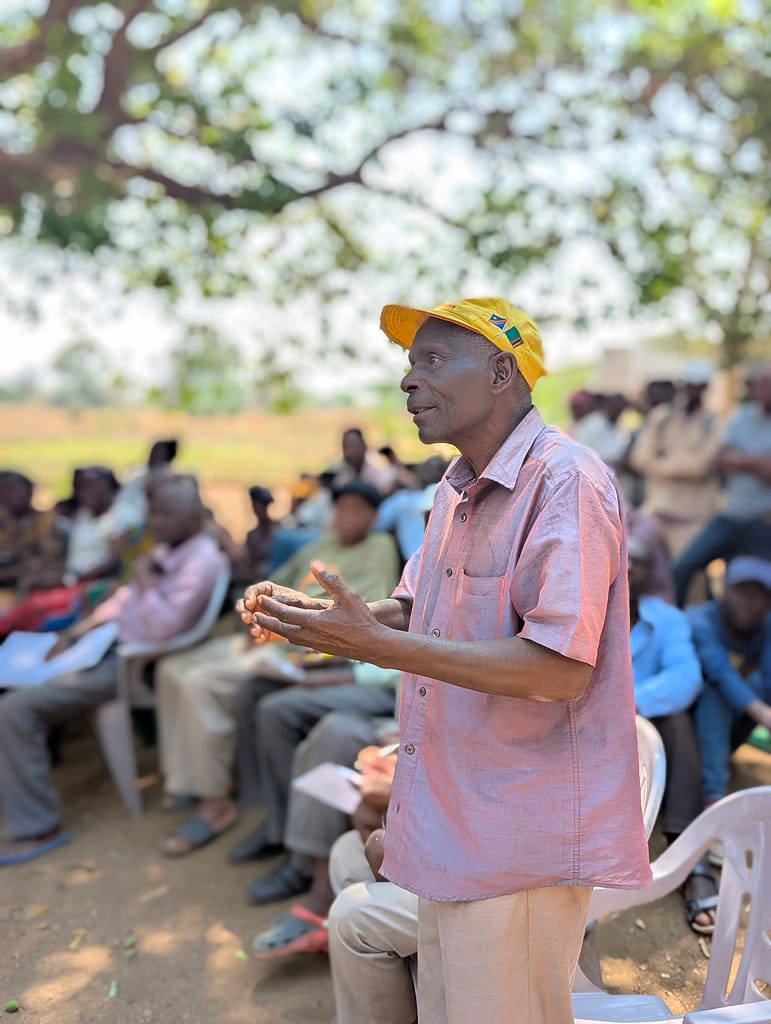
The impact of this type of weather advisories was evident in the questions farmers asked. One inquired, “For those of us with livestock, how can we ensure we have enough water reservoirs to sustain our animals when the rains stop?” Agriculture Extension officer, Daphine Hamatanga, responded by guiding farmers on how to adjust their livestock management to the season’s forecast. She recommended them to conserve pastures, harvest water and strengthen preventative animal healthcare to mitigate disease risks during the wet months ahead.
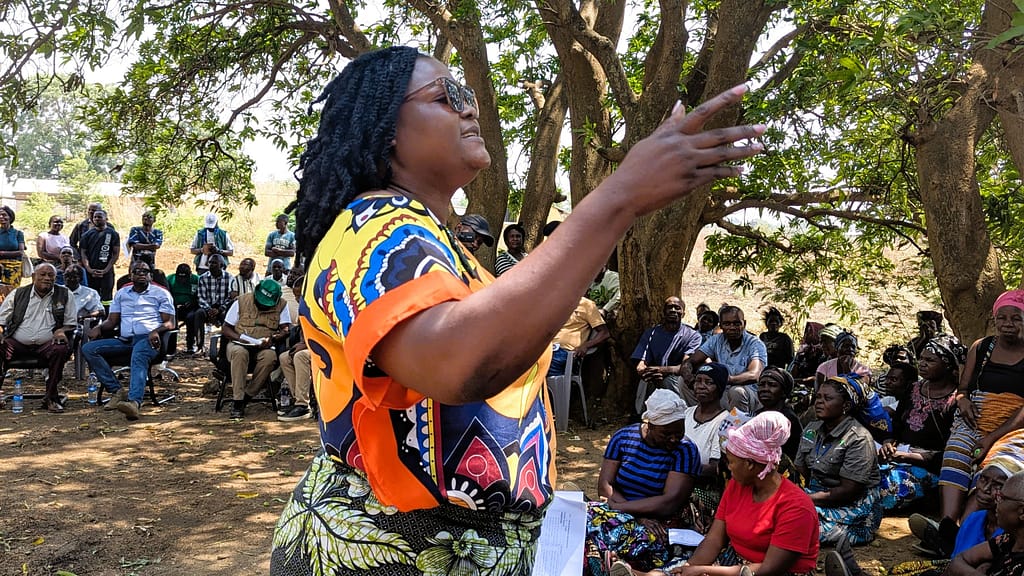
These discussions transformed what would have been a standard seasonal forecast into a practical community learning experience that empowered farmers to make proactive decisions.
These efforts are part of the Accelerated Impacts of CGIAR Climate Research for Africa (AICCRA) project, which focuses on delivering the 2025/2026 Seasonal Climate Forecast in ways that are targeted, practical and easy for farmers to act on. In the coming months, the project will reach 960 farmers who will receive similar in-person training from 16 extension officers. To further amplify the seasonal forecast in meaningful ways, AICCRA collaborated with the Zambia National Agricultural Information Services to broadcast forecasts and advisories across national radio and television in seven local languages. These messages are expected to reach over 5,000 farmers across the Central Province of Zambia.
Toward a climate-smart future
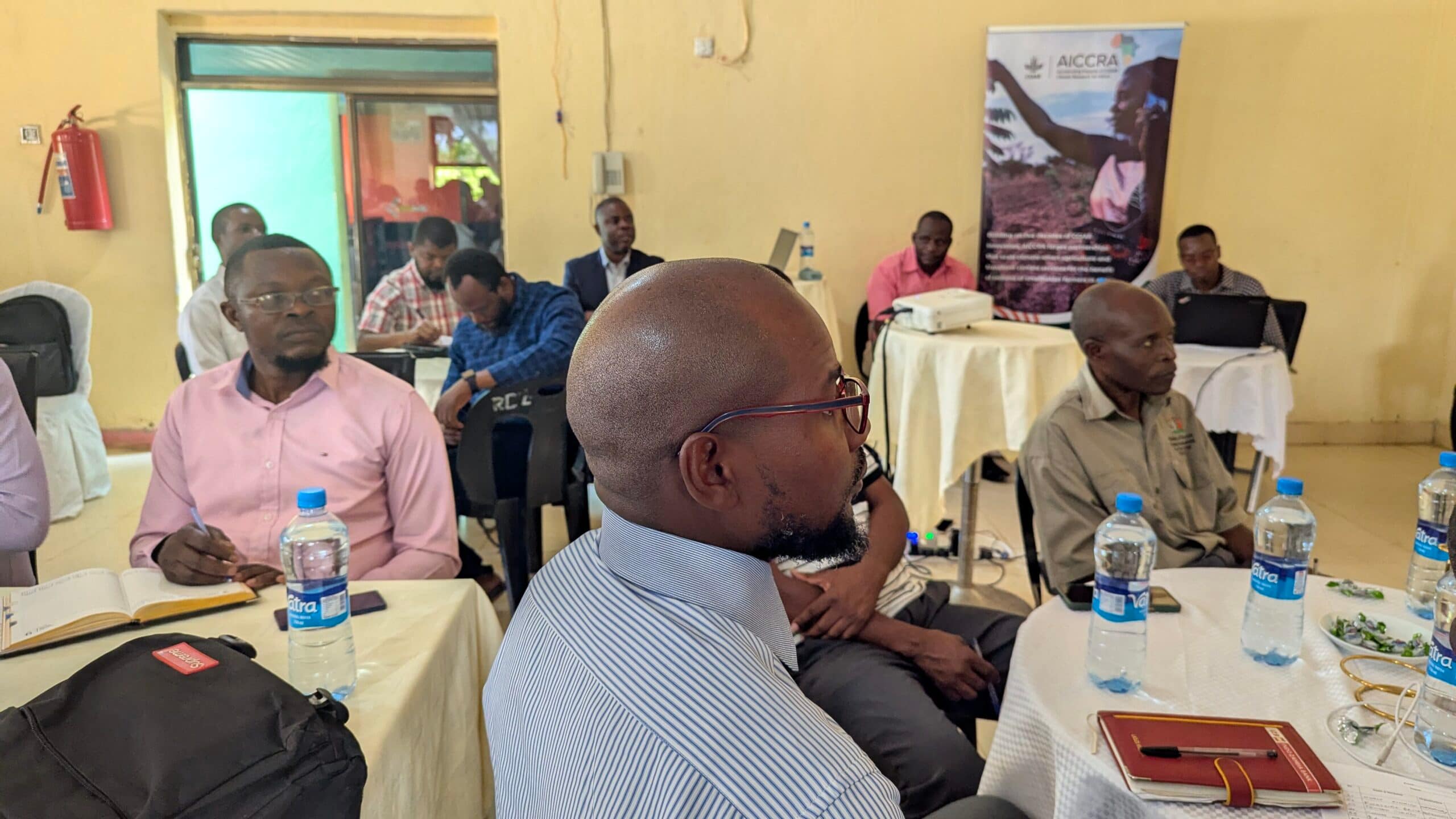
The experience with the Chisamba district demonstrates how science, communication and community engagement can strengthen resilience in farming systems. By embedding technical training, local translation and participatory feedback into climate-smart agriculture, the AICCRA-led initiative has created a replicable model for localized climate information services in Zambia.
This research-for-development effort demonstrates that climate forecasts become transformative only when they are translated into farmers’ realities; when data becomes dialogue, and science becomes service.