Gender

Water insecurity is deeply tied to gender inequality. Gender norms, power relations and institutional structures determine who gets to control water resources, who benefits from its use and who is most at risk when water systems fail. Without addressing these dynamics, water policies and investments can reinforce existing inequalities and create unintended harm.

Through partnerships, IWMI applies gender-transformative approaches that go beyond participation to challenge exclusionary norms and practices. Drawing on feminist political economy and intersectional analysis, IWMI examines how gender interacts with class, ethnicity, age, geography and livelihoods to shape access to and control over water resources. This evidence informs water governance reforms, infrastructure planning, pricing, allocation and climate adaptation strategies. By embedding gender analysis into water data systems, decision-making tools and policy processes, IWMI helps ensure that water interventions are equitable, accountable and effective, delivering sustainable outcomes for all.

Contacts

Karen Nortje

Karen Nortje

Research Group Leader – Gender Equality and Social Inclusion (GESI)

Projects on this topic

Latest news on this topic

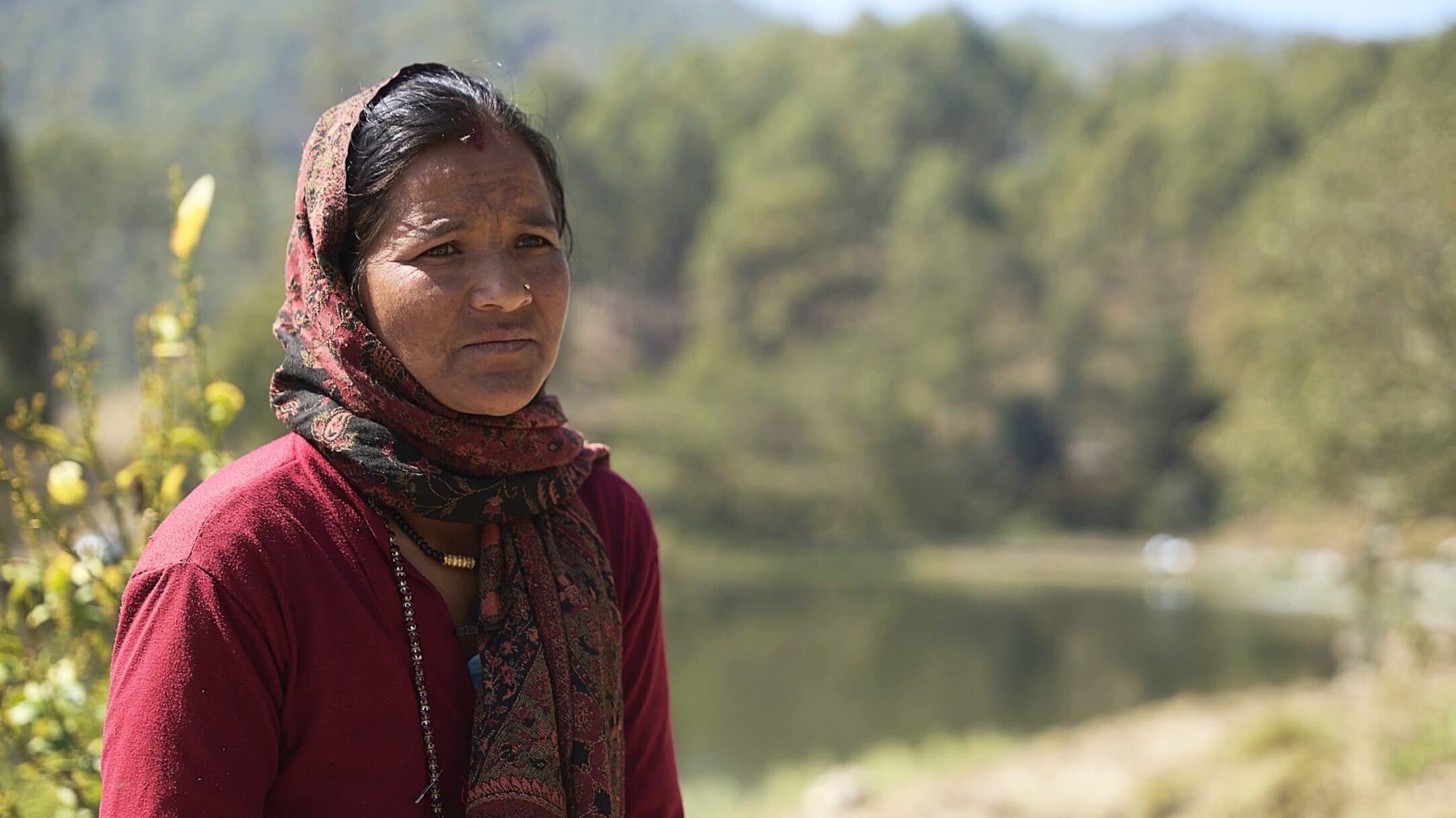
Dharma Devi Bhandari, a resident of Chhatiwan, reflects on changes in agricultural productivity and water availability observed over generations. Photo: Sunny Deshar/IWMI

Lessons from the shoreline

A walk along Chhatiwan Lake in Nepal reveals the intricate connections that sustain life, pointing towards an integrated way of managing natural resources …
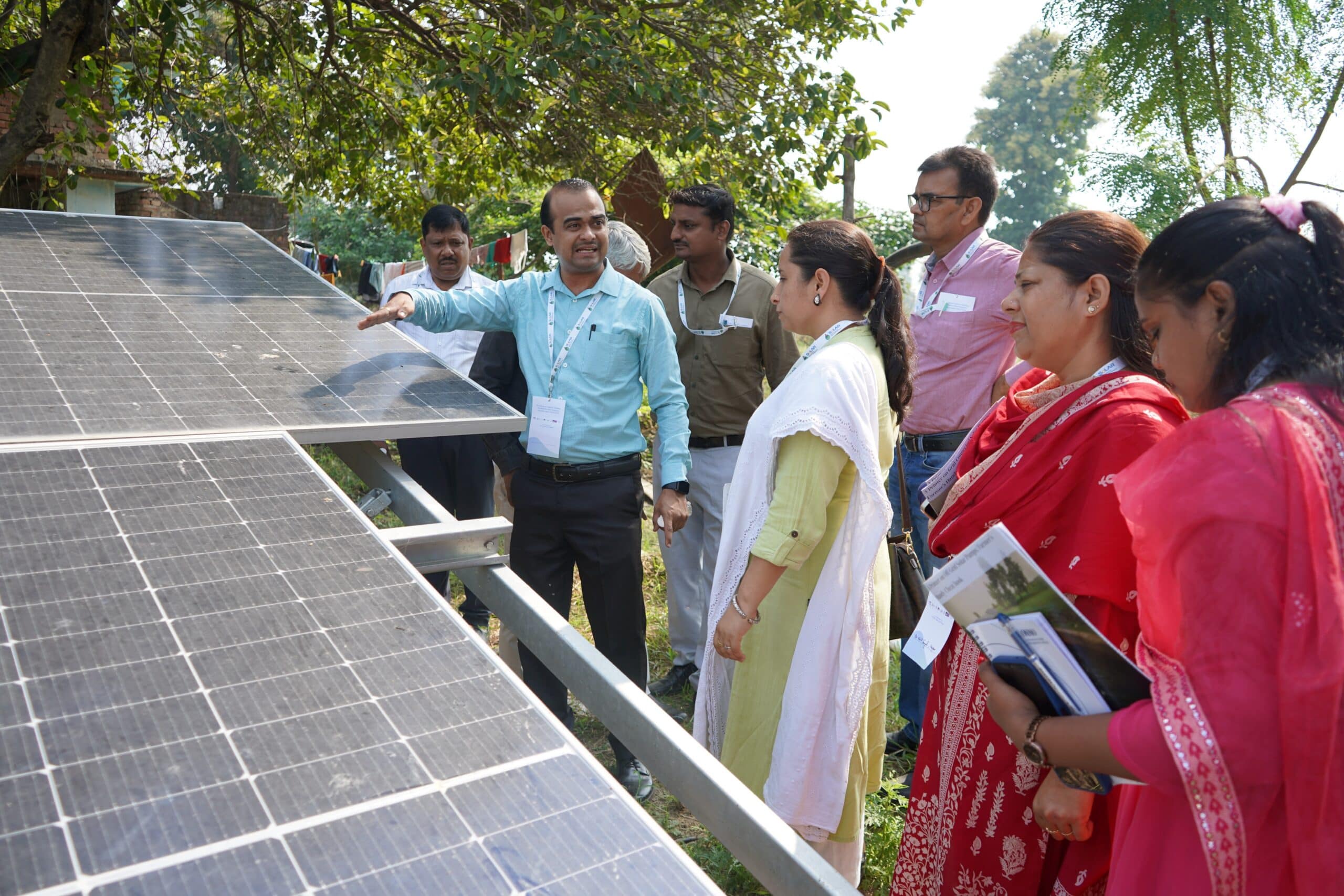
A field visit to on solar irrigation systems as part of the hands-on training for KVK scientists, highlighting system operation, maintenance, and farmer outreach under the PM-KUSUM scheme. Photo: Tanmoy Bhaduri/IWMI

Agriculture advisors to bring more Indian farmers towards renewable energy
IWMI taps into India’s deeply rooted farm-advisory networks to build trust in solar irrigation …
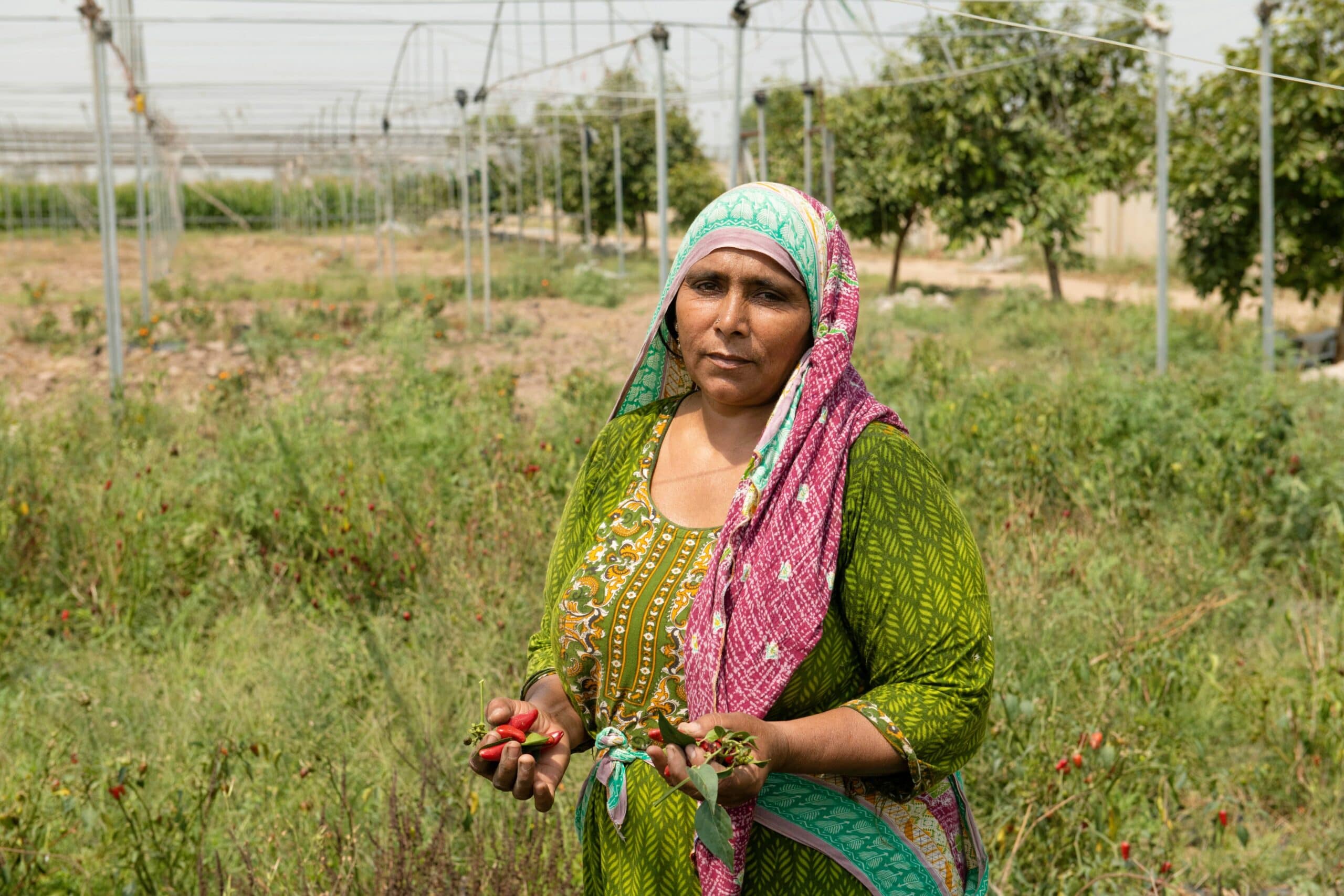
A farmer from Punjab Province, Pakistan, stands holding a fresh harvest of chilies. Photo: Amjad Jamal/IWMI

Rights. Justice. Action.

Why women’s empowerment in agriculture begins with decision-making powers …
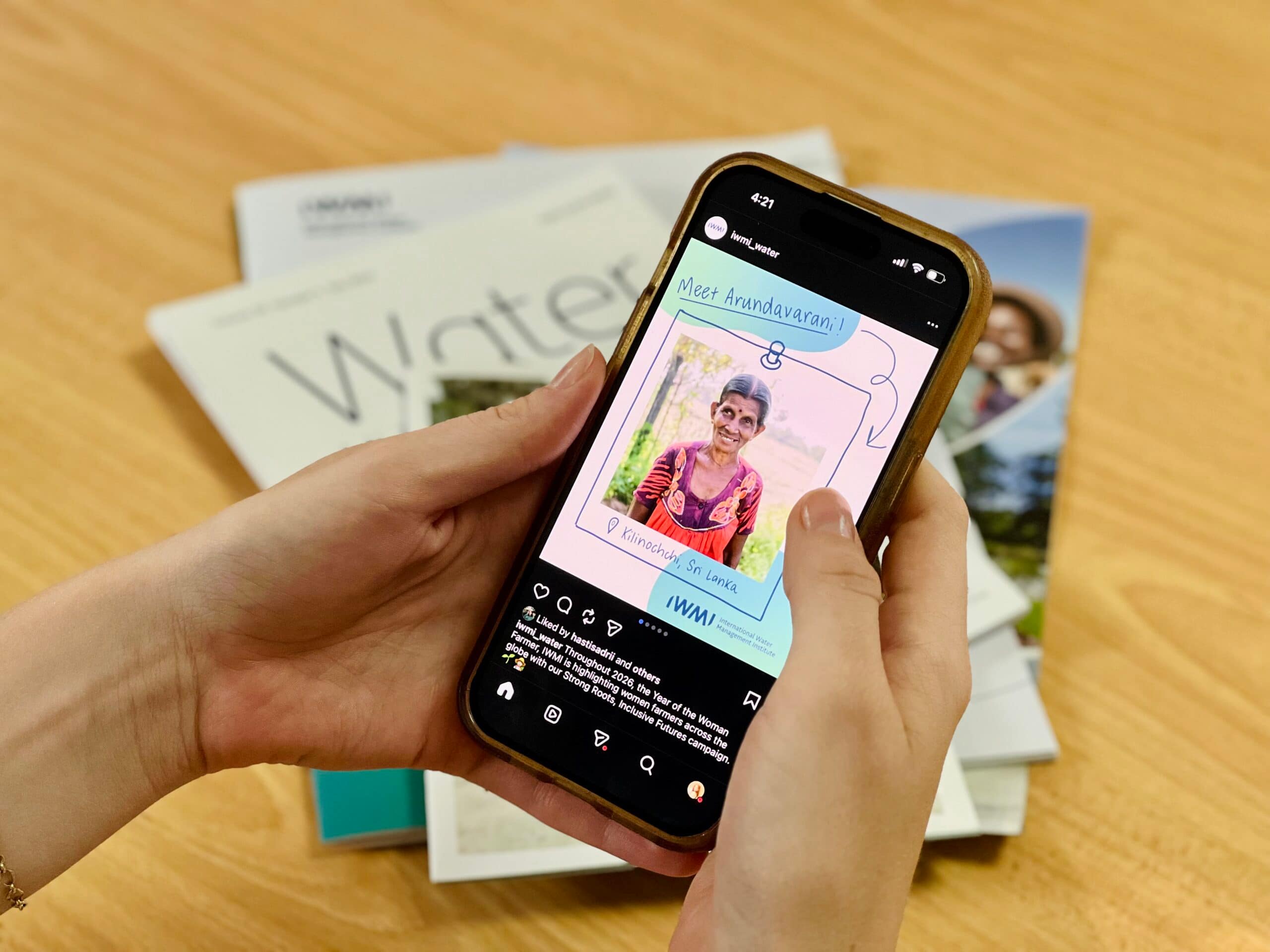
Instagram Photo Year of the Woman Farmer

Strong roots, inclusive futures

Throughout 2026, IWMI is highlighting the imperative role of women farmers in water security and climate resilience …

Latest publications on this topic

Thumbnail
Report

Asian Water Development Outlook 2025: the index of water security for Asia and the Pacific
Asian Development Bank | December 31st, 2025
Raman, V.; Ishii, S.; Kaur, S.; Guthrie, L.; Rodriguez, I. F.; Domingo, R.; Salazar, G.; Von Custodio, D.; Garcia, M. C.; Bautista, F. M.; Gonsalves, J. J. Jr.; Jordá, L. I.; Asis, C. L.; Van Beek, E.
Open Access
Thumbnail
Manual

Gestion inclusive des paysage : un guide pour les chefs de projet et les facilitateurs de processus

International Water Management Institute | December 19th, 2025
International Water Management Institute
Open Access
Thumbnail
Manual

Inclusive landscape management: a guide for project managers and process facilitators

International Water Management Institute | December 19th, 2025
International Water Management Institute
Open Access

Events on this topic

Water Hackathon 2026: Tackling the Water Crisis in India
Water Hackathon 2026: Tackling the Water Crisis in India

IWMI’s National Water Hackathon 2026 invites youth innovators, startups and community-based organizations across India to develop practical and scalable solutions to address the country’s growing water challenges …
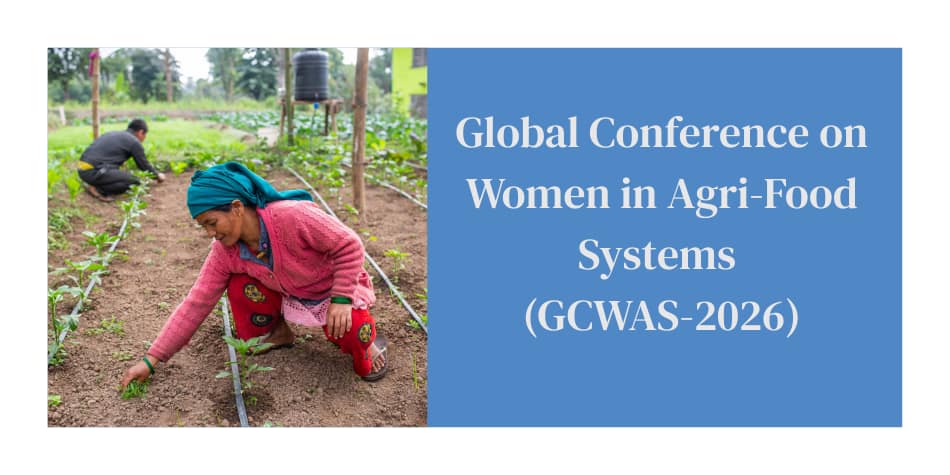
Global Conference on Women in Agri-Food Systems (GCWAS-2026)
Global Conference on Women in Agri-Food Systems (GCWAS-2026)

The Global Conference on Women in Agri-Food Systems (GCWAS-2026) centers equal representation in leadership and participation within every aspect of agricultural development from research to farming …
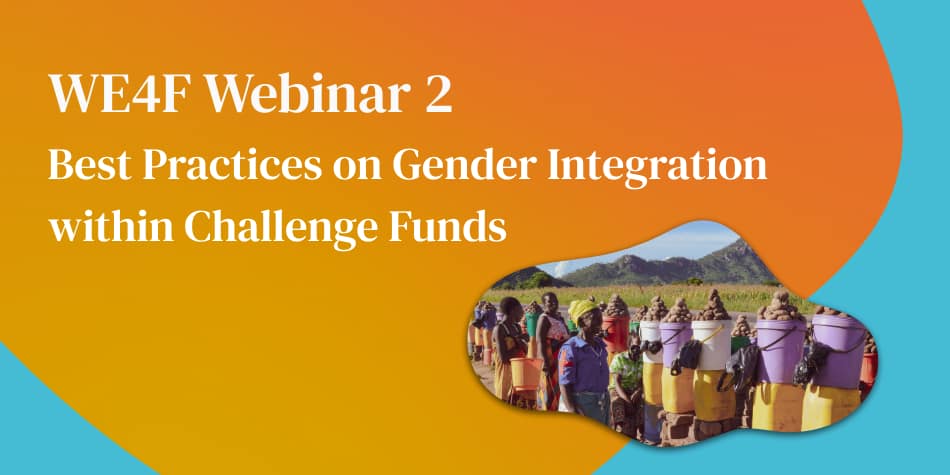
WE4F Webinar 2: Best Practices on Gender Integration within Challenge Funds
WE4F Webinar 2: Best Practices on Gender Integration within Challenge Funds

This WE4F webinar shares lessons from the 5‑year Challenge Fund on scaling climate innovations and integrating gender for more inclusive results …
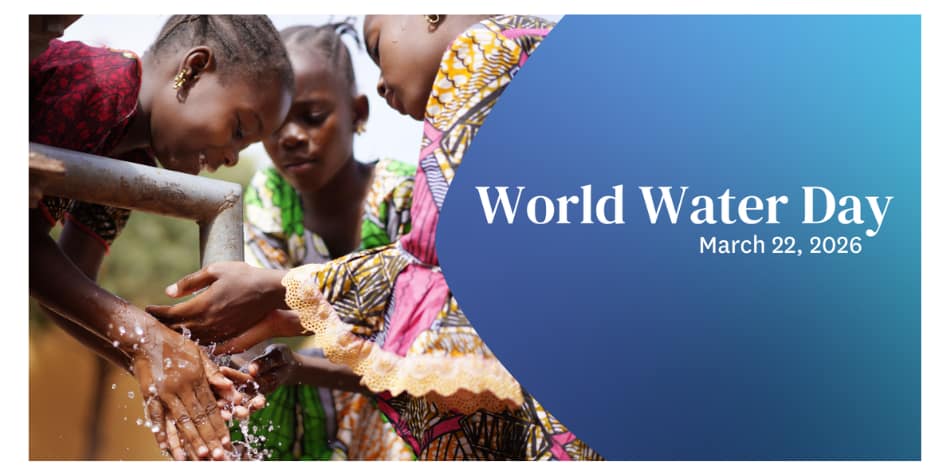
World Water Day 2026

World Water Day 2026

The United Nation’s World Water Day celebrates water and raises awareness of the 2.1 billion people living without access to safe water …

Latest data resources

Climate Change and Gender Vulnerability Hotspot Mapping in Ghana

Climate Change and Gender Vulnerability Hotspot Mapping in Ghana

The Gender and Climate Vulnerability Hotspot Mapping in Ghana tool supports the identification of climate vulnerable areas to inform policymakers about the specific needs of diverse social groups. By mapping vulnerabilities, this …