

Zimbabwe
Zimbabwe has a predominantly tropical climate, with a rainy season from November to March and a dry season from April to October. Agriculture is a vital sector for the country’s economy, with over two thirds of the population relying on farming for their livelihoods. However, Zimbabwe faces challenges such as land degradation, climate variability, and water scarcity, which impact agricultural productivity and food security. Despite these challenges, the country holds significant potential for sustainable agriculture through improved land management practices and the adoption of innovative technologies.
IWMI in Zimbabwe
IWMI’s work in Zimbabwe focuses on enhancing agricultural resilience and sustainability through a series of strategic initiatives. Key projects involve the scoping of digital technologies in agriculture, identifying opportunities and challenges for smallholder farmers in sub-Saharan Africa, including Zimbabwe. Another notable project involves modeling water flows in the Limpopo River Basin using drone technology to improve water resource management.
Launches in integrated landscape management seeks to restore degraded landscapes, promoting sustainability and livelihoods in rural communities. Additionally, researchers have explored biomass and nutrient flow dynamics to inform sustainable farming practices that address environmental challenges, helping farmers to de-risk their operations and enhance productivity. Through these projects, IWMI is supporting Zimbabwe’s transition to more sustainable and climate-resilient agricultural systems.


Latest Zimbabwe news
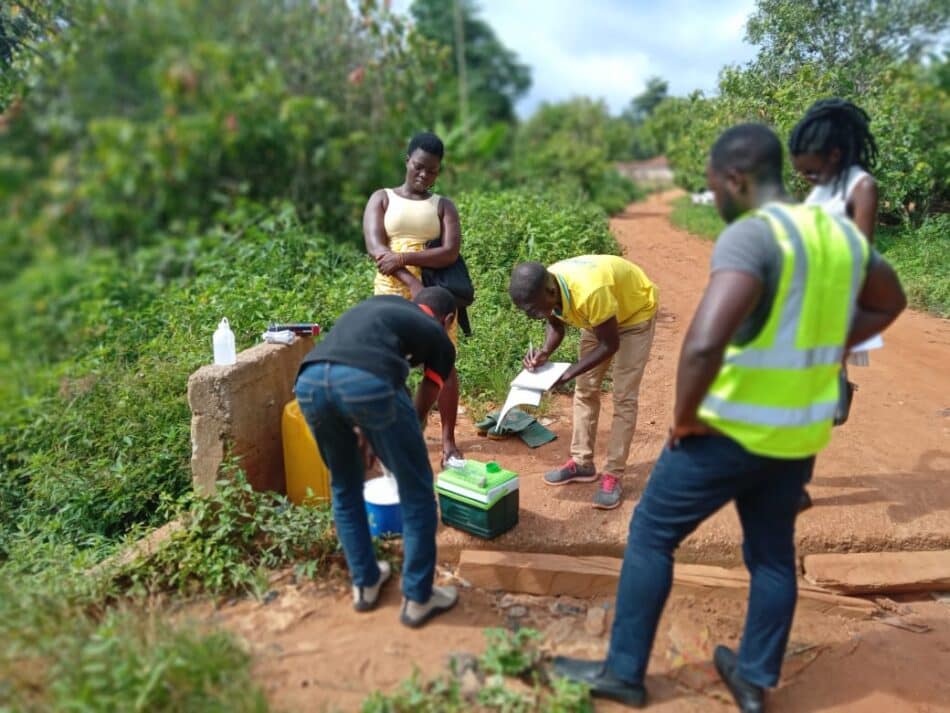
Explainer: Citizen Science

Why water security in Africa depends on listening to young people
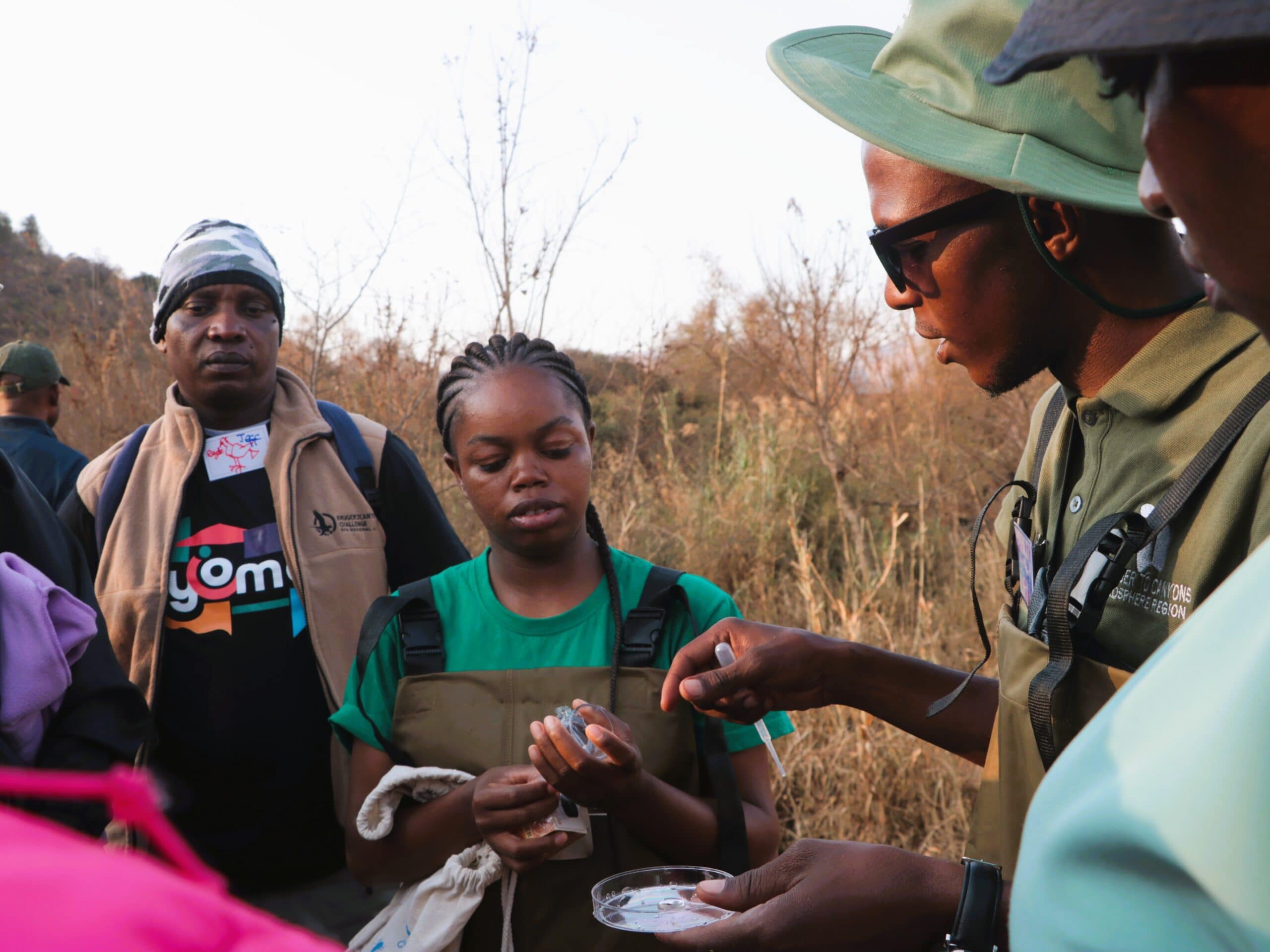
What turns everyday people into water scientists in the Limpopo River Basin?
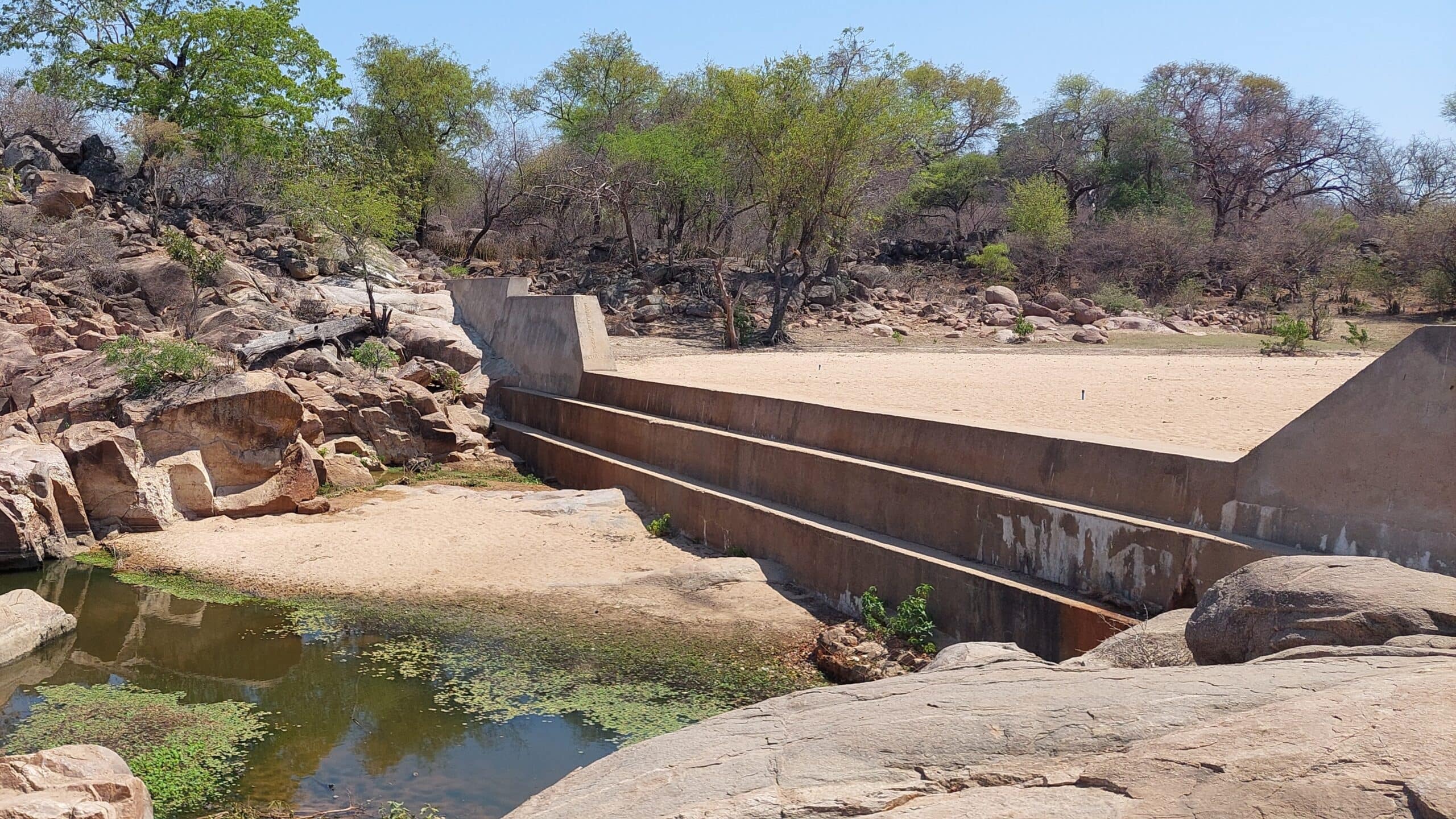
Can a simple solution offer a lifeline to communities confronting climate change?
Latest Zimbabwe publications
Many Partners, Big Numbers? Estimating the Reach of CGIAR – Supported Innovations in East and Southern Africa

Operational Sentinel-2 System for Monthly Near‑real‑time Irrigated Area Mapping in the Limpopo River Basin
Equality and Social Inclusion Integration Analysis Report: Strengthening Gender and Social Inclusion across the CGIAR Multifunctional Landscapes Program