Thailand
Thailand has a diverse landscape defined by its roaming waterways, river basins and extensive coastline. Access to clean drinking water has improved over the past decade, but stresses from increasing urbanization, industrial expansion and agricultural demands, coupled with a changing climate, have led to a growing water crisis. Alongside its neighbors, Thailand is facing severe flooding in the monsoon season and severe drought in the dry season, particularly troubling for a major agricultural producer. Uneven distribution of water infrastructure and limited conservation efforts compound pressures on water sources.
Groundwater extraction is increasing, and in some regions, overuse has led to land subsidence and saltwater intrusion. Water pollution, driven by agricultural runoff, industrial waste and inadequate wastewater treatment, poses a growing threat to human health and ecosystem integrity. The government has begun to prioritize water management in policy planning, though further investment is necessary to guarantee sustainable growth and water access for all.
IWMI in Thailand
IWMI has expanded open-access flood mapping tools from South Asia to the Mekong Basin, partnering with government agencies, disaster management centers and private insurers on risk management.

Get updates
Latest Thailand news
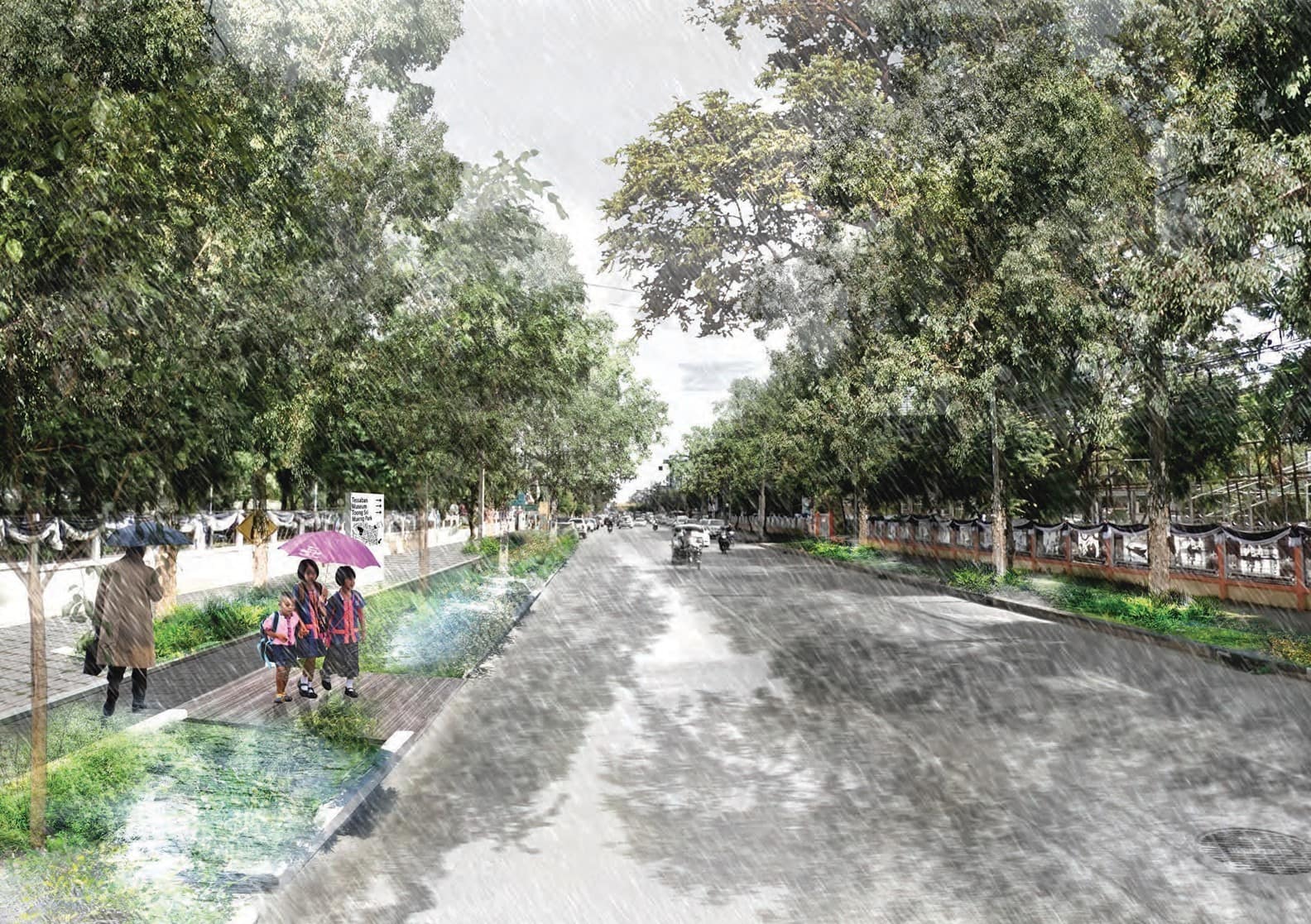
Our cities are flooding but funding has dried up
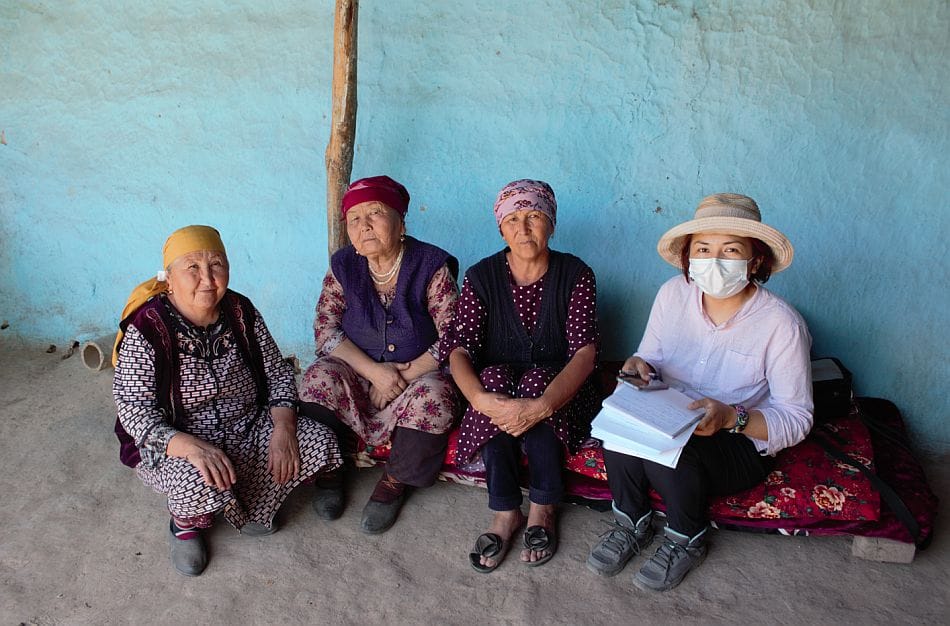
Moving out, moving up? Stories of rural women migrating from Thailand and Kyrgyzstan
Latest Thailand publications
An analysis of the investment climate for promoting circular bioeconomy: a cross-country analysis of some emerging economies

Policy coherence and migration complexity: a review of migration policy literature in Southeast Asia