

Tanzania
From Africa’s tallest mountain to its deepest lake, the United Republic of Tanzania is home to many landform wonders. However, despite water abundance in some regions — including the world’s second largest freshwater lake, Lake Victoria — parts of Tanzania are semi-arid and struggle with water scarcity. Clean water access is limited in rural areas, and water-borne illnesses such as malaria and cholera are major threats to public health. Many women face the burden of water collection for their communities and families, preventing access to education and employment.
Agriculture is the foundation of Tanzania’s economy, with smallholder farming accounting for the largest share of water withdrawals. While Tanzania leads regional benchmarks in food production self-sufficiency, threats of deforestation, increasing population, underdeveloped infrastructure and climate change threaten water and food security.
IWMI in Tanzania
Tanzania is one of five countries within the Limpopo River Basin. To assist with transboundary water management, IWMI developed a Digital Twin for the basin. This provides a virtual model that visualizes real-time data on watershed processes to track and forecast water availability and quality. The Digital Twin is developed hand-in-hand with citizen science and youth environmental stewardship training initiatives, ensuring community engagement and data transparency. IWMI has also conducted a land cover change analysis of Tanzania’s Upper Great Ruaha River Basin, helping to understand implications for groundwater resources and agriculture.
Country representative

Abdulkarim Seid
Contact
For work related to Tanzania, please contact our regional office in Ethiopia.

Latest Tanzania news
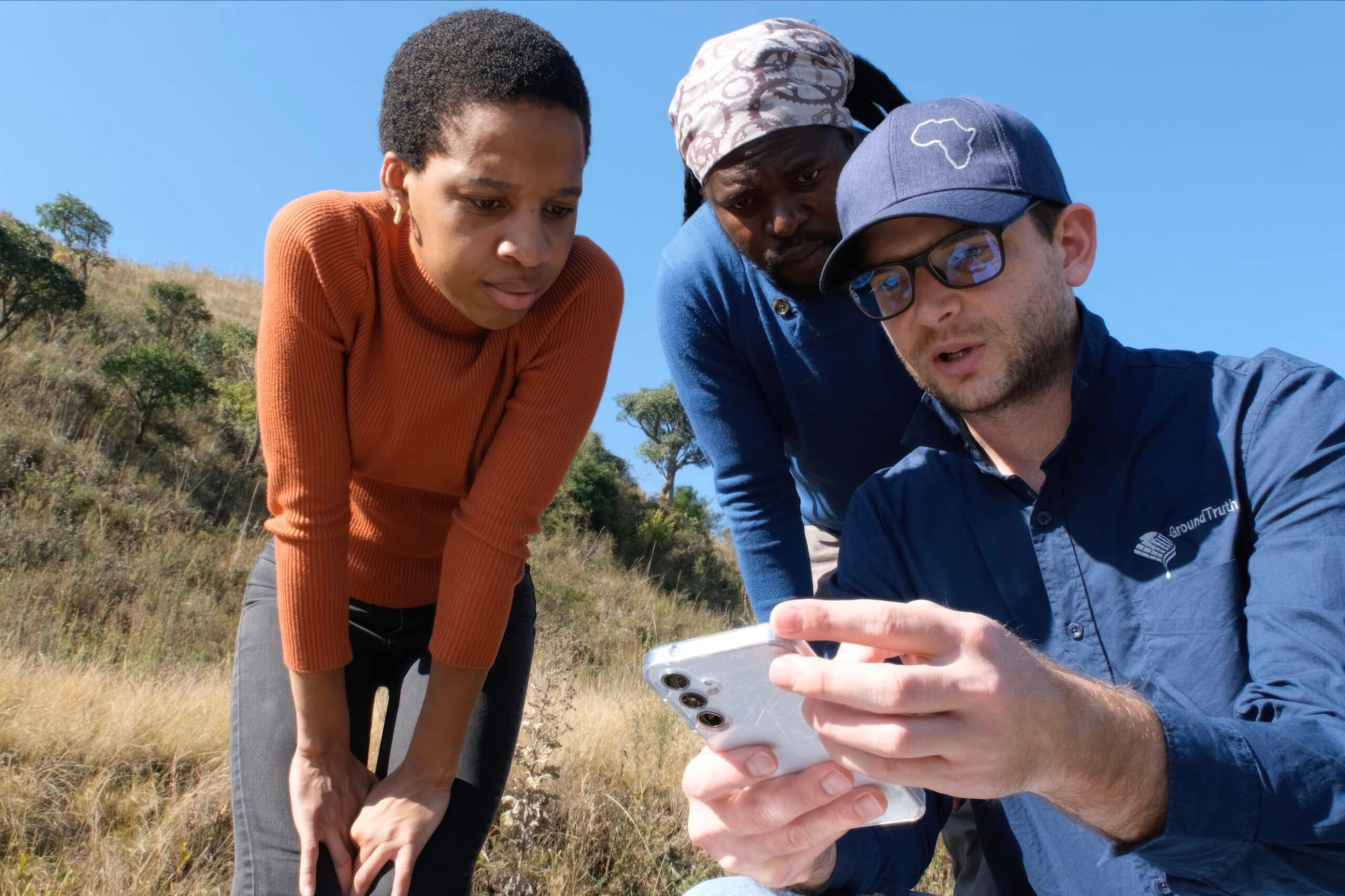
Digital innovation and citizen science to preserve freshwater systems
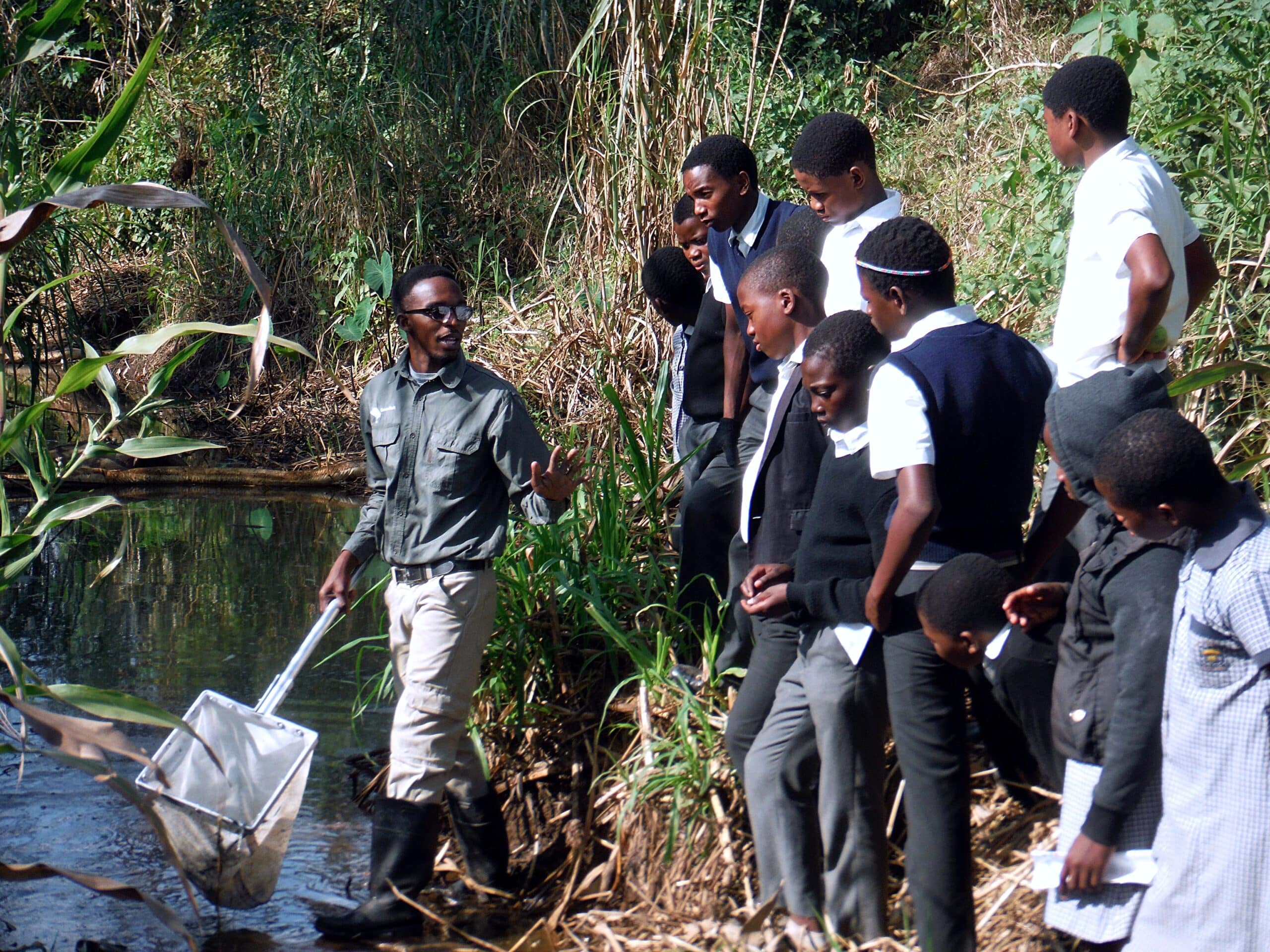
A network of citizen scientists to protect freshwater resources in southern Africa
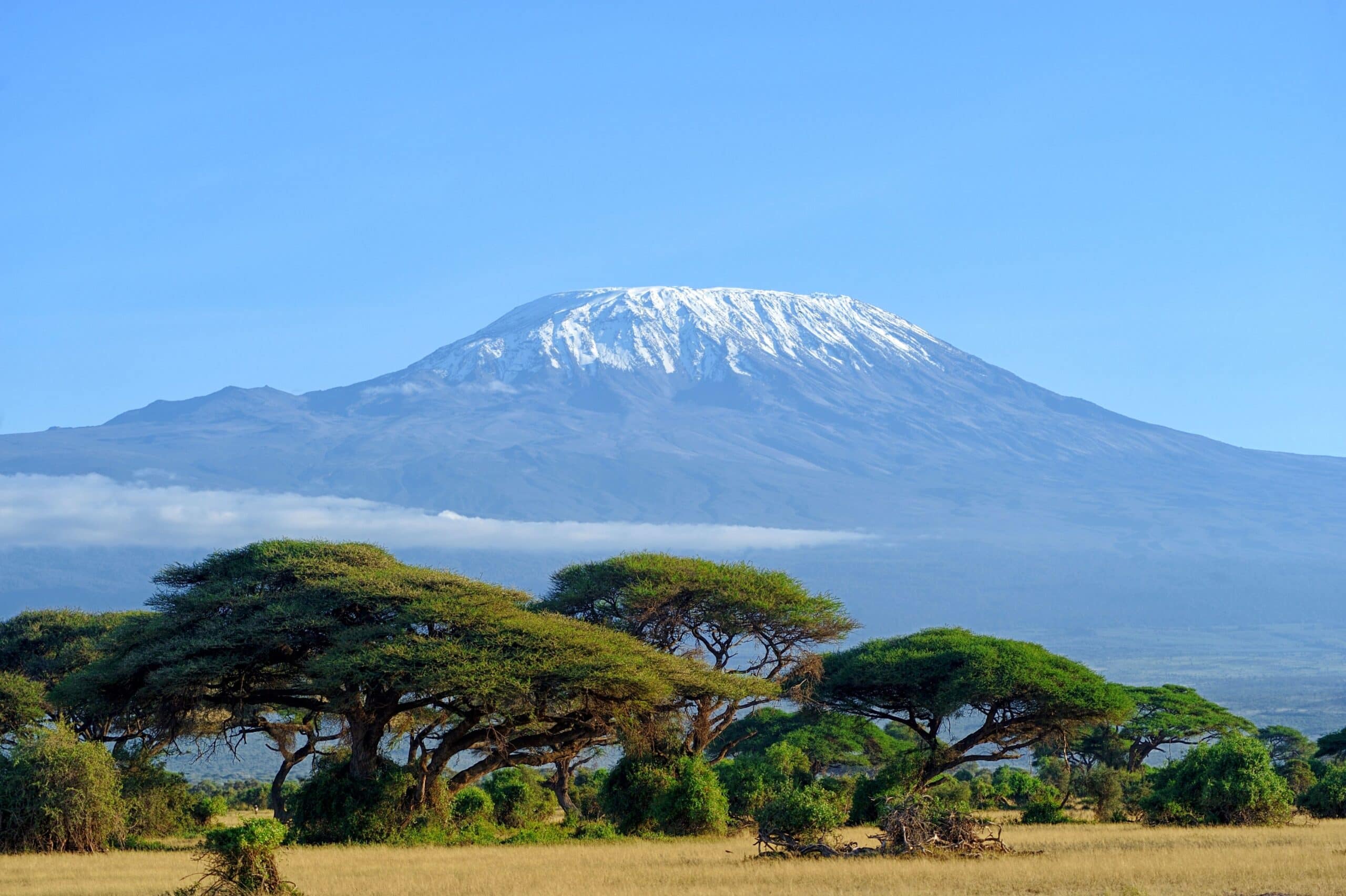
Preserving Africa’s glaciers is protecting our future
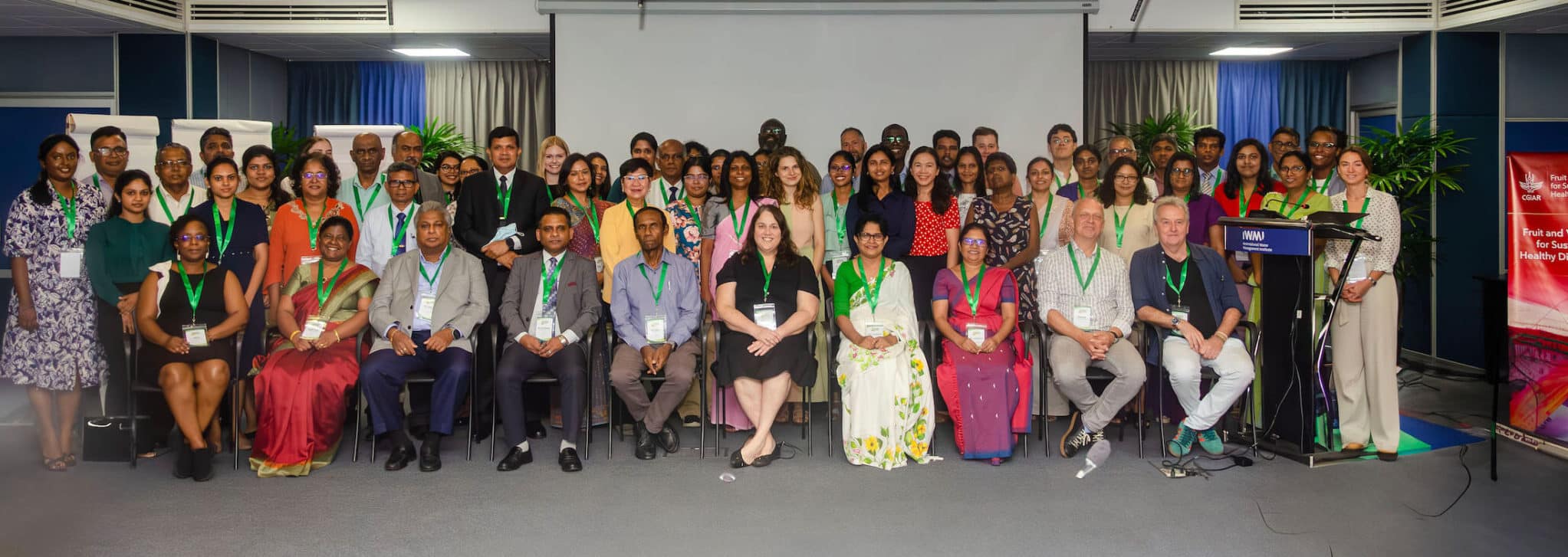
Pathways for promoting sustainable fruit & vegetable systems in Sri Lanka
Latest Tanzania publications
Tanzania Seed Sector Development Strategy: first draft

Tanzania Seed Sector Development Strategy: inception report
Improving seed systems to enhance agricultural productivity: Tanzania Seed Sector Development Strategy