

South Asia
South Asia is home to over 1.8 billion people, many of whom depend heavily on agriculture for their livelihoods. The region is highly vulnerable to climate change, with increasing occurrences of extreme weather events, such as floods, droughts, and heatwaves, directly impacting food security, water resources, and livelihoods.
Approximately 70% of the region’s population relies on agriculture, which accounts for a significant portion of the economy, yet the sector is increasingly threatened by water scarcity, land degradation, and rising climate impacts. Transboundary water systems, such as the Ganges-Brahmaputra and Indus basins, are central to the region’s agricultural productivity, yet tensions around water rights and equitable distribution persist. With climate-induced shocks, South Asia faces a critical need for capacity building and sustainable water management to ensure food and water security in the coming decades.
IWMI in South Asia
IWMI is carrying out work to strengthen climate resilience and promote sustainable water management across the region. Through the South Asia Water Security Initiative (SAWASI) in Pakistan, IWMI is addressing critical water security challenges, while the Transboundary Rivers of South Asia (TROSA) project works to enhance river governance and resilience across multiple countries by focusing on rights, access, and environmental sustainability.
IWMI researchers also collaborate on improving climate adaptation strategies in agriculture, providing capacity building to enhance data-driven insights and strategic responses to agrifood system crises in Nepal. IWMI’s work supports smallholder farmers by promoting sustainable and inclusive irrigation development, which is key to increasing resilience against economic shocks and climate variability. By tackling transboundary water issues, strengthening water storage capacities, and fostering climate-smart agricultural practices, IWMI strives to build a more resilient, water-secure South Asia.

Latest South Asia news

How AI helped promote community-led development in Rajasthan, India

Hull university to lead Sri Lanka wetlands project with IWMI
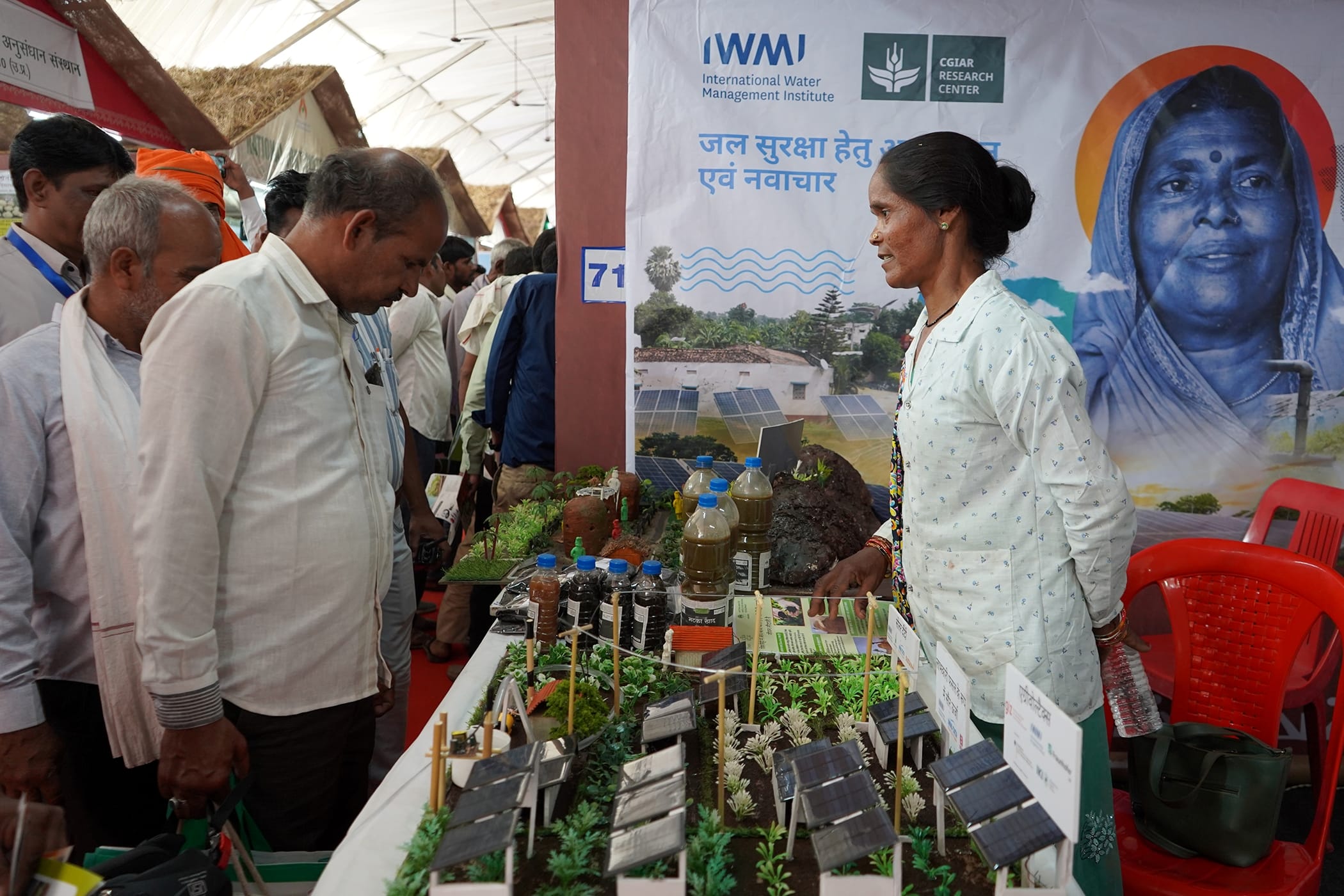
Field innovations draw attention at the national farmers’ fair in India
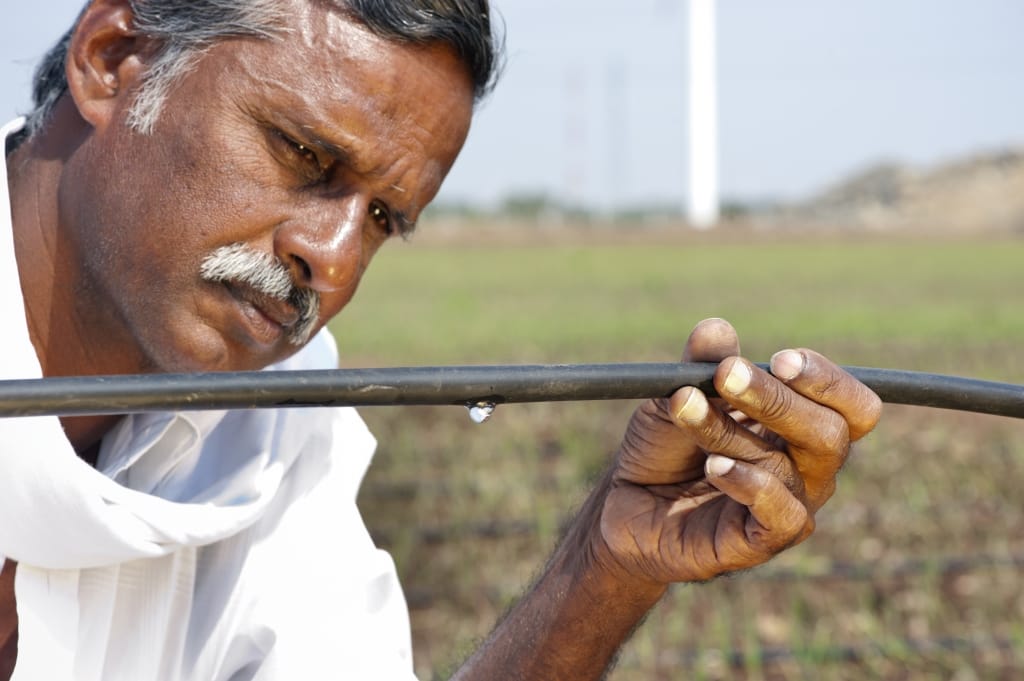
Welfare and water security go hand in hand in India
Latest South Asia publications
Country Strategic Roadmap: Nepal 2024–2030

Unpacking the Challenges of Solar Lift Irrigation in Nepal’s Mid-Hills: Toward a Sustainable Energy-Water Solution
