

Palestine
The State of Palestine is nestled in the Fertile Crescent, bordering the Mediterranean Sea, the Dead Sea and the winding Jordan River. Despite these significant natural water sources, Palestine is facing a severe water crisis, exacerbated by the war which has severely impacted the already critical humanitarian situation in the Gaza Strip, adversely affecting all of its 2.1 million residents, according to UNDP. Palestine’s freshwater resources are diverted and controlled by Israel, and existing infrastructure has been destroyed or damaged in targeted attacks, causing water loss and pollution — and threatening the health and safety of Palestinian people. Food security remains critical, with the majority of the population continuing to face high levels of acute food insecurity, according to an IPC report published in December 2025.
Climate change compounds existing difficulties with decreasing yearly rainfall and erratic weather patterns. Limited access to information also challenges data collection and long-term planning for Palestinian water management. Actions to ensure the human right to water for all Palestinians, through guaranteeing access to water sources and rebuilding vital infrastructure, are necessary for a water-secure future.
IWMI in Palestine
In 2022, IWMI worked with Palestinian authorities and farming communities to conduct a comprehensive assessment of water and agrifood systems, updating the evidence base on key water security and agricultural production gaps, including water use inefficiencies, water quality degradation, irrigation constraints and crop yield challenges. The work also supported the co-development of resilient water–agrifood interventions and a pipeline of investable near- and medium-term water and agriculture projects, tailored to the agroecological and socioeconomic contexts of both the West Bank and the Gaza Strip, with the aim of strengthening climate resilience and improving community well-being.
Since 2021, IWMI has worked with local stakeholders in Palestine to co-develop a smartphone application for irrigation management in strategic crops, drawing on cutting-edge remote sensing products. This innovation aims at improving irrigation efficiency and enhancing crop productivity under Palestine’s highly constrained water resource conditions.
IWMI has also worked from 2021 onwards to increase water security and climate resilience by integrating nature-based water solutions across MENA, including Palestine. In the upper Wadi Al-Fari’a watershed of the West Bank, IWMI has worked with farmers and women groups to rehabilitate water and irrigation infrastructure, protecting water sources from contamination and leakage. IWMI has supported with the formation of a new Water User Association, the creation of a community space with stalls for women to market their products and trained community members in water management and governance.
These efforts are improving water security of households and communities in the West Bank, with an emphasis on promoting positive and equitable gender norms. With security and mobility challenges set to continue in Palestine, investing in decentralized and nature-based infrastructure and governance, local markets and institutional capacity is both effective, efficient and urgent.
Country representative

Latest Palestine news
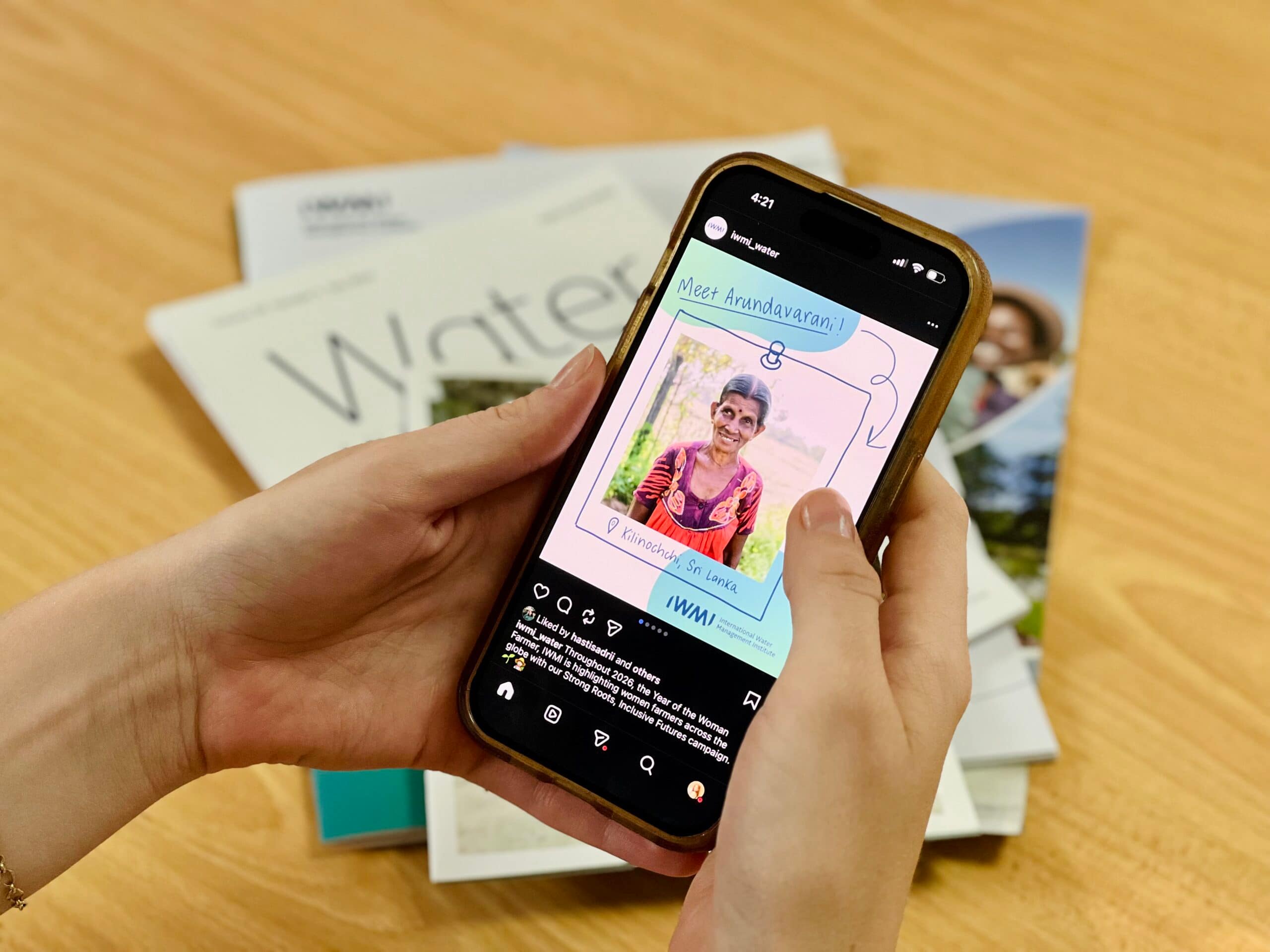
Strong roots, inclusive futures

Equitable water systems require recarving the norm landscape
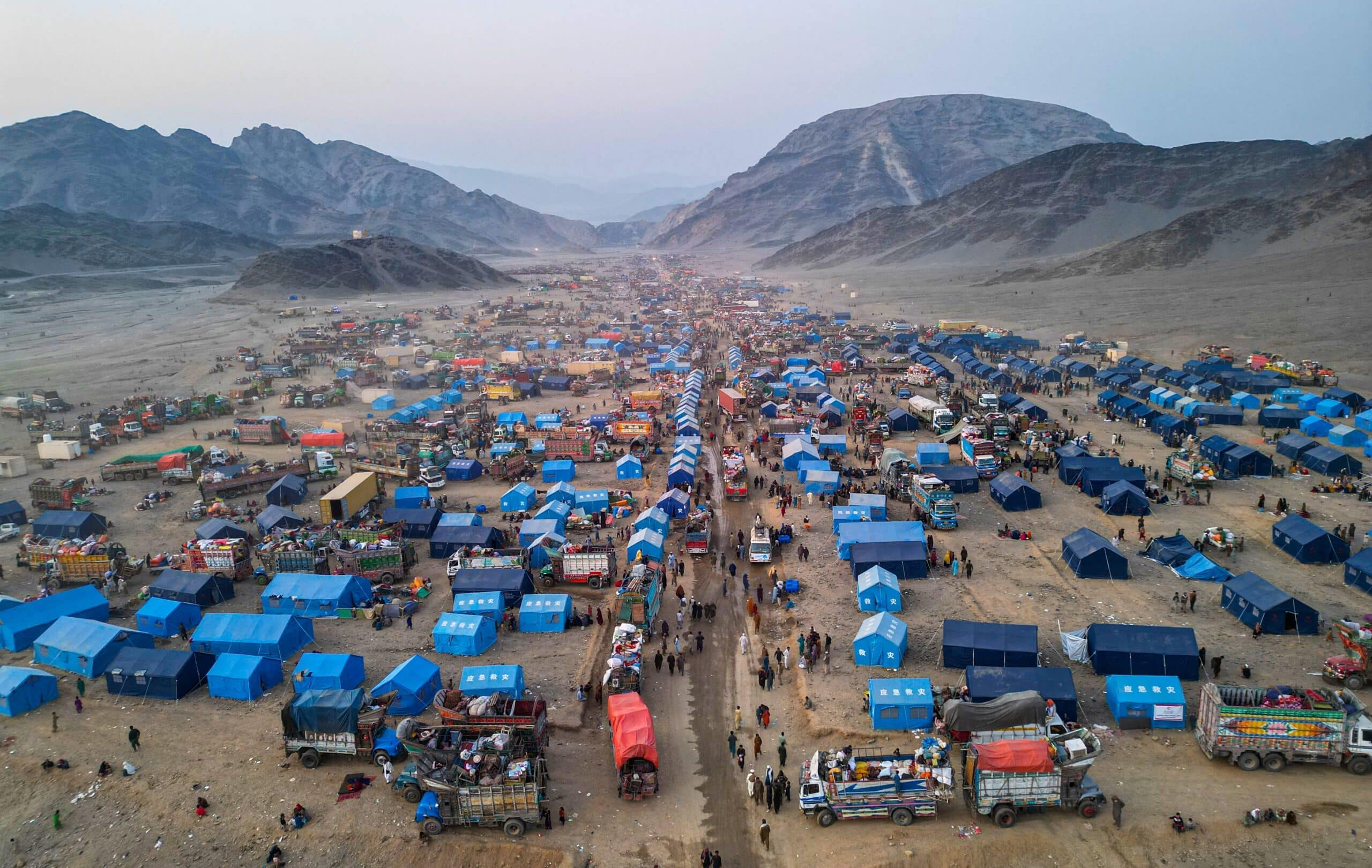
How communities in fragile settings shape climate resilience

Strong governance and investment essential to scaling resilient nature-based water solutions

Latest Palestine publications
How to Scale a Project to a Program: The Expansion of Al Murunah

Integrated watershed and climate risk hotspot mapping in Palestine refugee camps
Climate resilience in Jordan’s Jerash camp: integrating government plans, humanitarian action and climate investment