

Iraq
Life in Iraq has long revolved around the Euphrates and the Tigris Rivers — but these vital water sources are drying up. Climate change has contributed to reduced rainfall, increased temperatures and severe drought. Additionally, upstream dam construction has restricted the flow of freshwater to essential storage areas, such as the Mosul Water Reservoir and the Mesopotamian Marshlands. This, combined with seawater intrusion, has resulted in freshwater salinization that further limits water availability and endangers Iraq’s food security. Limited wastewater treatment infrastructure, damaged by years of conflict, contributes to increasingly polluted waters.In the face of a deepening water crisis, Iraq urgently needs sustainable water management solutions.
IWMI in Iraq
IWMI’s work in Iraq includes support for nature-based solutions, such as rehabilitating wetlands to restore ecological functions and help communities adapt to a fast-changing climate. To promote agricultural sustainability and food security, IWMI has conducted policy analysis on the quality of irrigation water and its reuse in agriculture to see how nature-based solutions can be developed around the Marshes at Maysan and Diyala. IWMI is also leveraging resilient solutions to mitigate impacts of sand and dust storms in Iraq and the broader Gulf region.
Contact

Get updates
Latest Iraq news
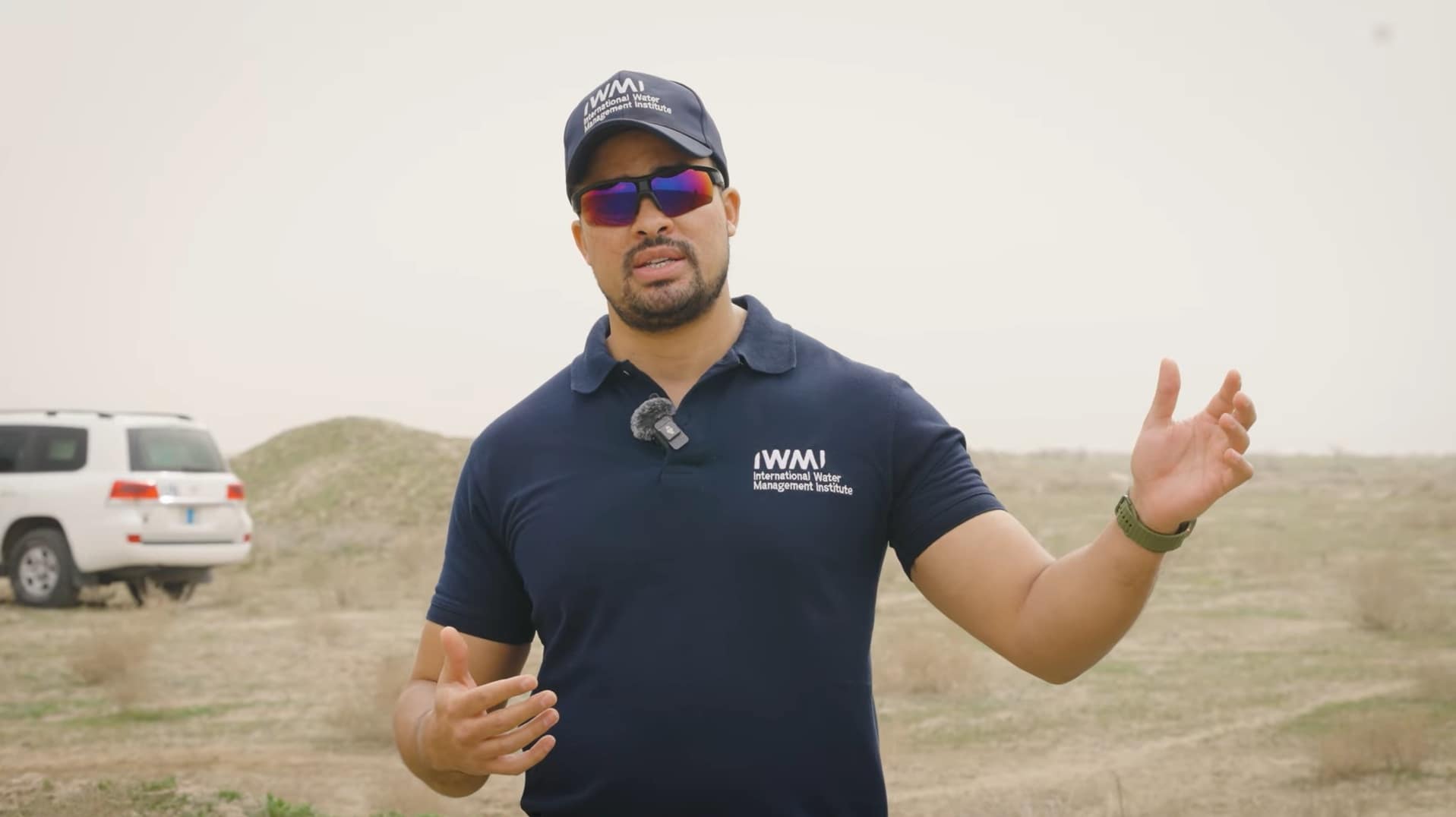
From dust to resilience in Iraq’s Dhi Qar through nature-based solutions
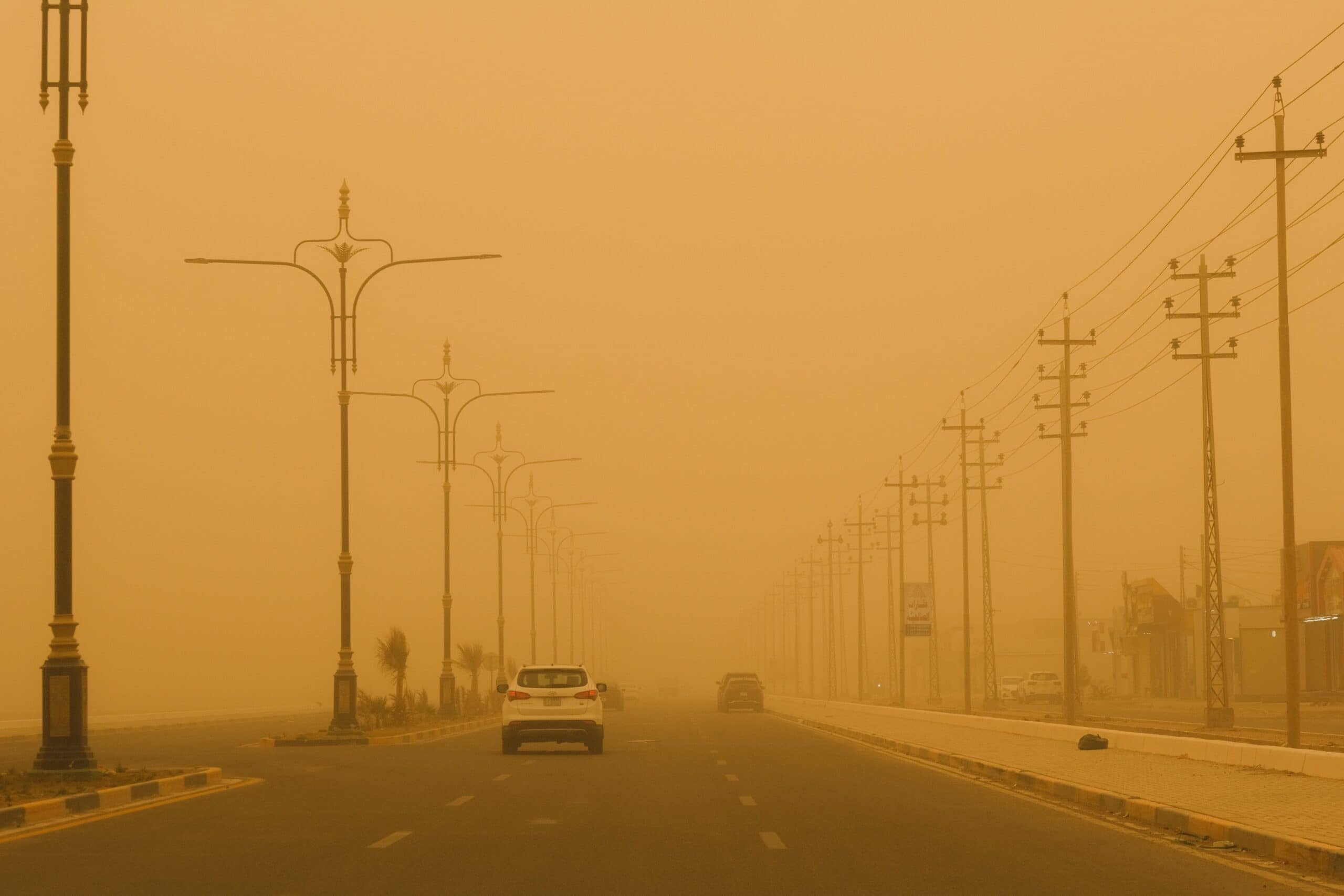
When dust clouds darken the sky
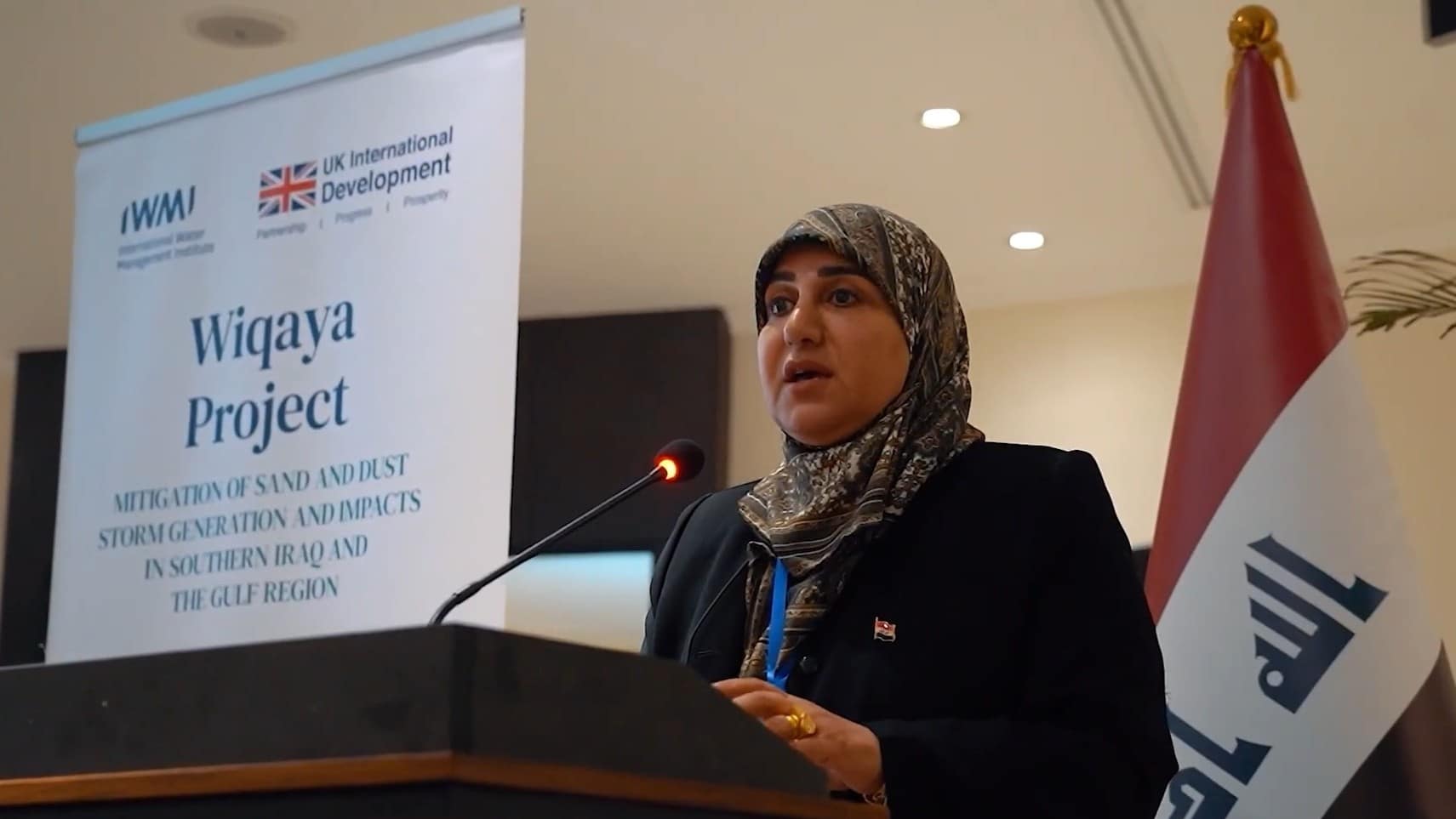
Iraq’s Wiqaya initiative and the promise of nature-based solutions
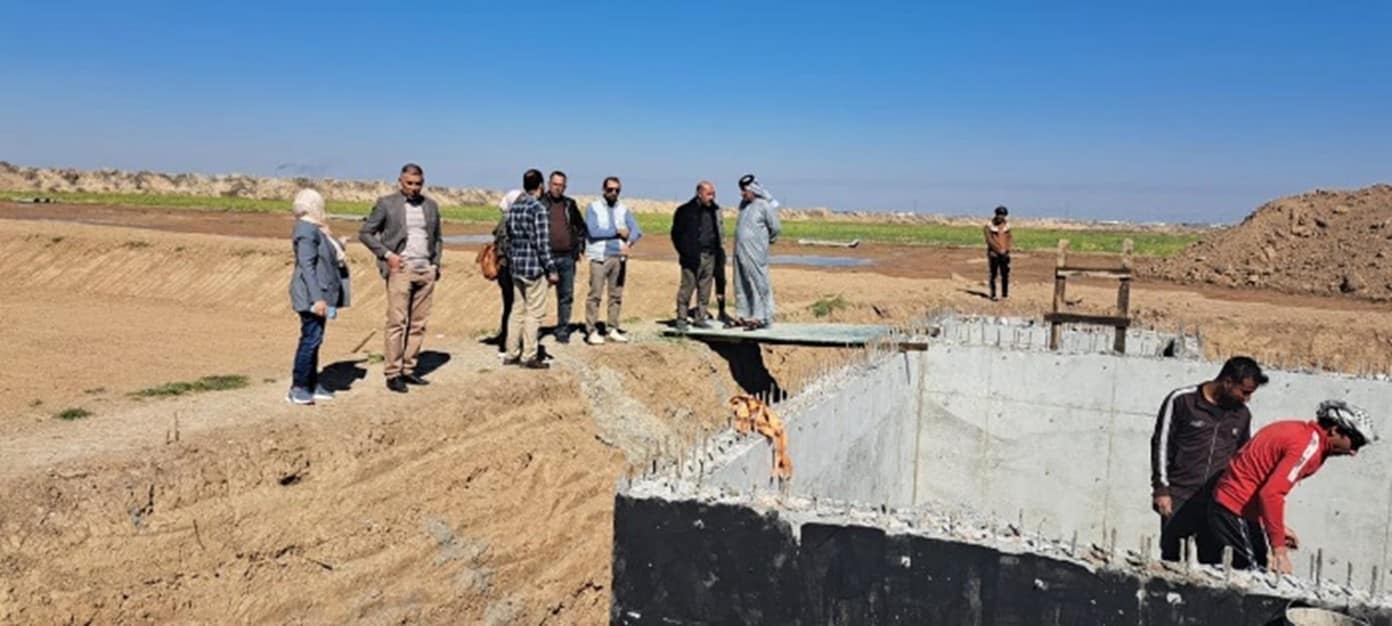
Nature-based solutions offer hope for Iraq’s water future

Latest Iraq publications
Al Murunah: From Pilot to Practice, Building Readiness for Adoption and Scaling of Resilient Nature-Based Water Solutions

How to Scale a Project to a Program: The Expansion of Al Murunah
IWMI in Middle East and North Africa – fact sheet