

Bangladesh
Bangladesh is one of the most densely populated countries in the world and is highly vulnerable to climate change impacts, including flooding, cyclones, and sea-level rise. Agriculture, which employs around 40% of the country’s labor force, is heavily dependent on water resources, making the country particularly susceptible to changes in river systems and rainfall patterns.
Over 25% of Bangladesh’s GDP comes from agriculture, with rice being the dominant crop, yet the sector faces challenges related to water scarcity, salinization, and the increasing frequency of extreme weather events. Given its low-lying geography, the country is also at high risk of flooding, which threatens both agricultural productivity and livelihoods. In response to these challenges, Bangladesh is increasingly focusing on climate adaptation strategies to build resilience in its agricultural sector.
IWMI in Bangladesh
Through the Solar Irrigation for Agricultural Resilience (SoLAR) project, IWMI is promoting the use of solar-powered irrigation systems to reduce reliance on unsustainable water sources and improve water use efficiency, making agriculture more resilient to both climate variability and energy constraints. Additionally, IWMI’s capacity-building initiatives are focused on strengthening the country’s ability to adapt to climate change, empowering communities and stakeholders to implement sustainable practices.
By combining innovative technologies with capacity-building efforts, IWMI’s researchers strive to support Bangladesh’s agricultural sector in becoming more resilient, sustainable, and better equipped to face the challenges of a changing climate. Through these efforts, IWMI aims to improve livelihoods, food security, and water resource management across the country.
Country representative

Gopal Kumar

Latest Bangladesh news

Bangladeshi farmers test solar irrigation as fuel costs bite
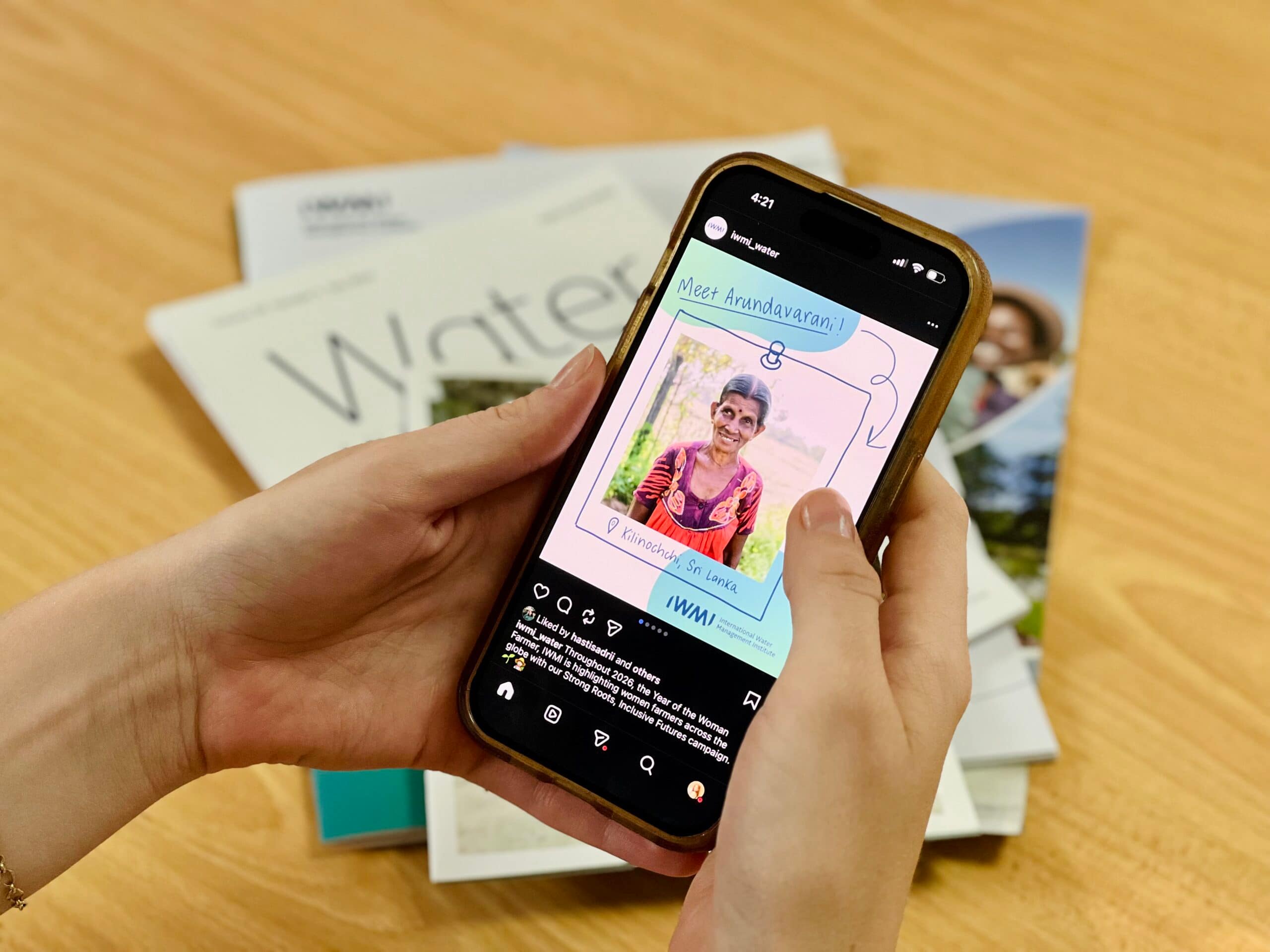
Strong roots, inclusive futures
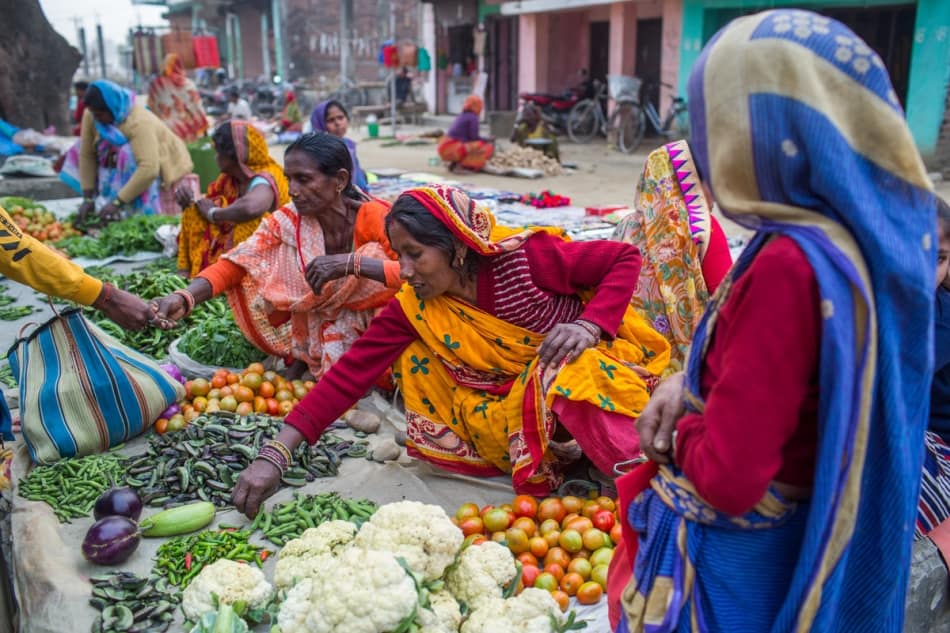
A roadmap and tools for water-energy-food nexus security in South Asia
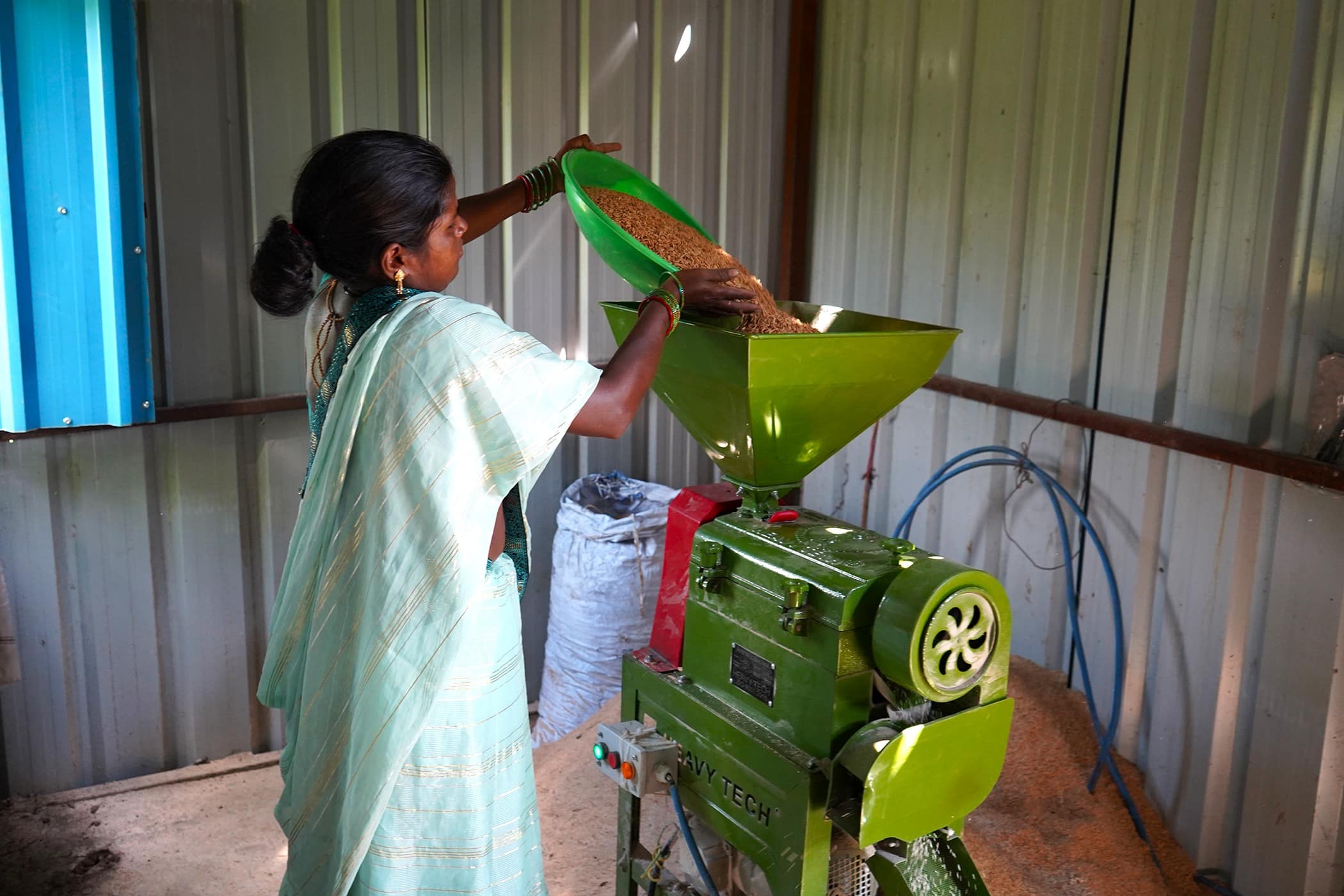
Innovative solar irrigation models inspire South–South learning
Latest Bangladesh publications
Solar Energy for Agricultural Resilience (SoLAR) Phase II Inception Workshop in Bangladesh

Guidelines to Enable Transformative Gender Responsive Budgeting in Bangladesh
SoLAR phase II gender and social inclusion (GESI) strategy