
Indigenous peoples

Indigenous peoples hold rich ecological knowledge and customary practices, yet their perspectives are frequently overlooked in formal decision-making processes related to water management. Without recognizing and integrating their knowledge, water policies risk reinforcing exclusion, undermining local resilience and missing opportunities for more sustainable and context-specific solutions. 

IWMI promotes water governance that amplifies indigenous knowledge alongside scientific and technical expertise. Building on our experience with hybrid water law, IWMI supports the integration of formal and customary law to enable more equitable and locally grounded water allocation and management. By facilitating inclusive basin planning and negotiation processes, IWMI helps ensure that diverse stakeholder interests including those of indigenous communities are reflected in decision-making.  

Contacts

Karen Nortje

Karen Nortje

Research Group Leader – Gender Equality and Social Inclusion (GESI)

Projects on this topic

Latest news on this topic

A woman fisher catches fish in Loktak Lake using traditional fishing gears, reflecting generations of indigenous knowledge and wetland-based livelihoods in Manipur, India. Photo: Tanmoy Bhaduri/IWMI

How traditional knowledge shapes India’s wetlands
For centuries, communities across the subcontinent have protected wetlands through knowledge systems rooted in living with water. These relationships are essential to today’s conservation …
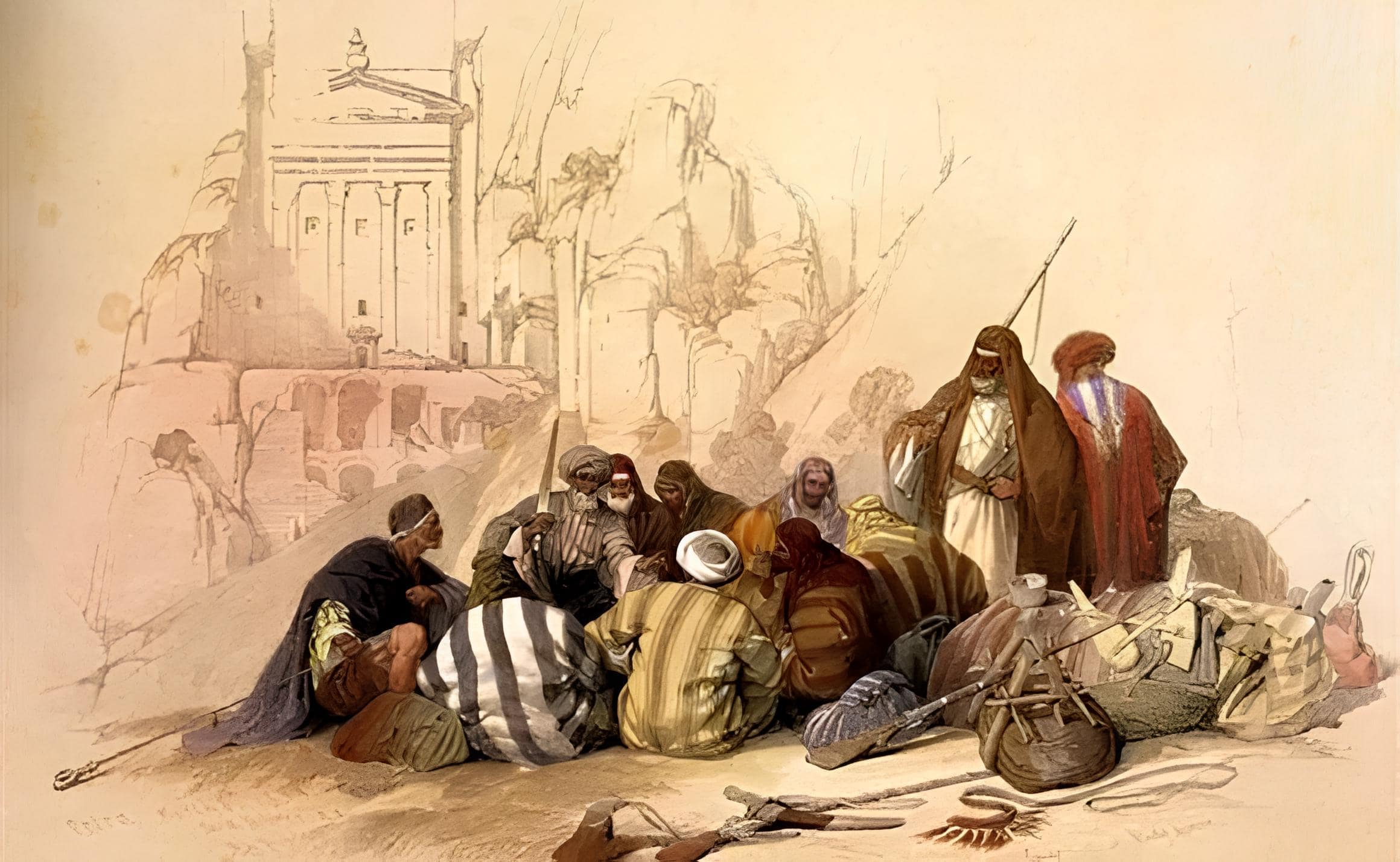
Conference of Arabs at Wady Moosa, Petra, March 6, 1839. Painting by David Roberts, lithographed by Louis Haghe, published 1844–1845. Photo courtesy of the Library of Congress (LC-USZC4-3518).

The Nabataean Codex: an ancient whisper in the age of climate change 

This feature is exploring The Nabataean Agriculture, a 10th-century manuscript on ancient farming wisdom and sustainable practices that resonate with modern environmental challenges …
Wetlands within the Kalu Oya basin in the Gampaha District in Sri Lanka are important for biodiversity and local communities alike. Photo: Nirasha Perera/IWMI

When we reimagine our relationship with wetlands both ecosystems and humans benefit 

Many indigenous cultures and local communities around the world show us how to live with nature. When we understand the Rights of Nature – or wetlands – we have a …

Latest publications on this topic

Thumbnail
Report

Equality and Social Inclusion Integration Analysis Report: Strengthening Gender and Social Inclusion across the CGIAR Multifunctional Landscapes Program

International Water Management Institute | March 16th, 2026
Mokhema, Seipati; Nortje, Karen; Freed, Sarah
Open Access
Thumbnail
Presentation

SoLAR phase II gender and social inclusion (GESI) strategy

International Water Management Institute | January 29th, 2026
Agarwal, Tripti; Ravindranath, Darshini; Adamseged, Muluken Elias
Open Access
Thumbnail
Brief

Enhancing indigenous rice varieties and market access in Maharashtra, India

International Water Management Institute | December 31st, 2025
De Falcis, E.; Taron, Avinandan; Viswadev V S; Patil, S.; Gebrezgabher, Solomie A.
Open Access

Events on this topic

2nd International Day for Water Justice
2nd International Day for Water Justice

The 2nd International Day for Water Justice places Indigenous elders’ voices and community-led perspectives at the center of global water justice dialogues, promoting collaboration among communities, researchers and decision-makers …
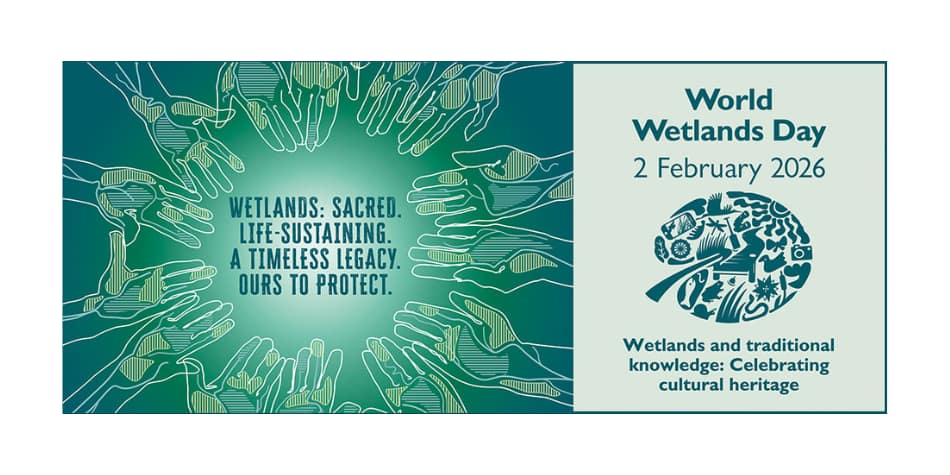
World Wetlands Day 2026

World Wetlands Day 2026

World Wetlands Day 2026 explores the deep-rooted connections between wetlands and cultural practices, traditions and knowledge systems of communities across the world …

Latest data resources

No posts found.