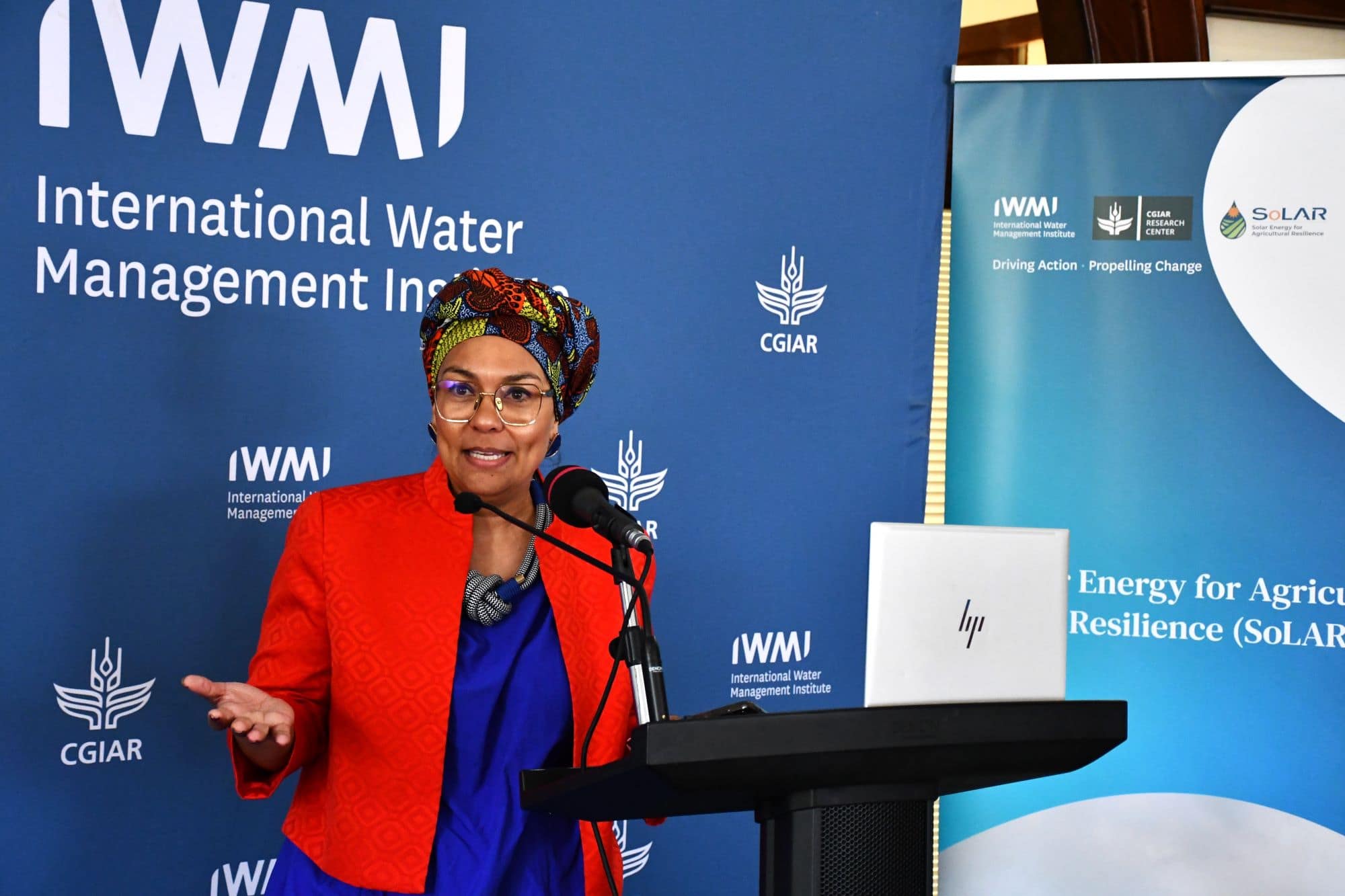
Darshini Ravindranath

Research Group Leader – Climate Policies, Finance and Processes (CPFP)


Darshini has over 15 years’ experience with diverse organisations including government, research institutes, multilateral development agencies, private sector consulting and NGOs. Prior to joining IWMI, Darshini was a Principal Policy Advisor and Program Lead – International Climate Finance – at the UK Government, where she led teams overseeing UK Aid programs in Asia, Africa and Latin America. Darshini\’s previous posts have enabled her to provide expert research advice, technical assistance, and support to agencies and governments transitioning to low carbon and resilient strategies. These bodies include ADB, UNDP, UNEP, Grantham Research Centre, IIED, and Water Aid. Darshini holds a PhD in Sustainable Resources from University College London and an MSc in Environment and Development from the London School of Economics and Political Science.

Current projects


Latest news for Darshini Ravindranath

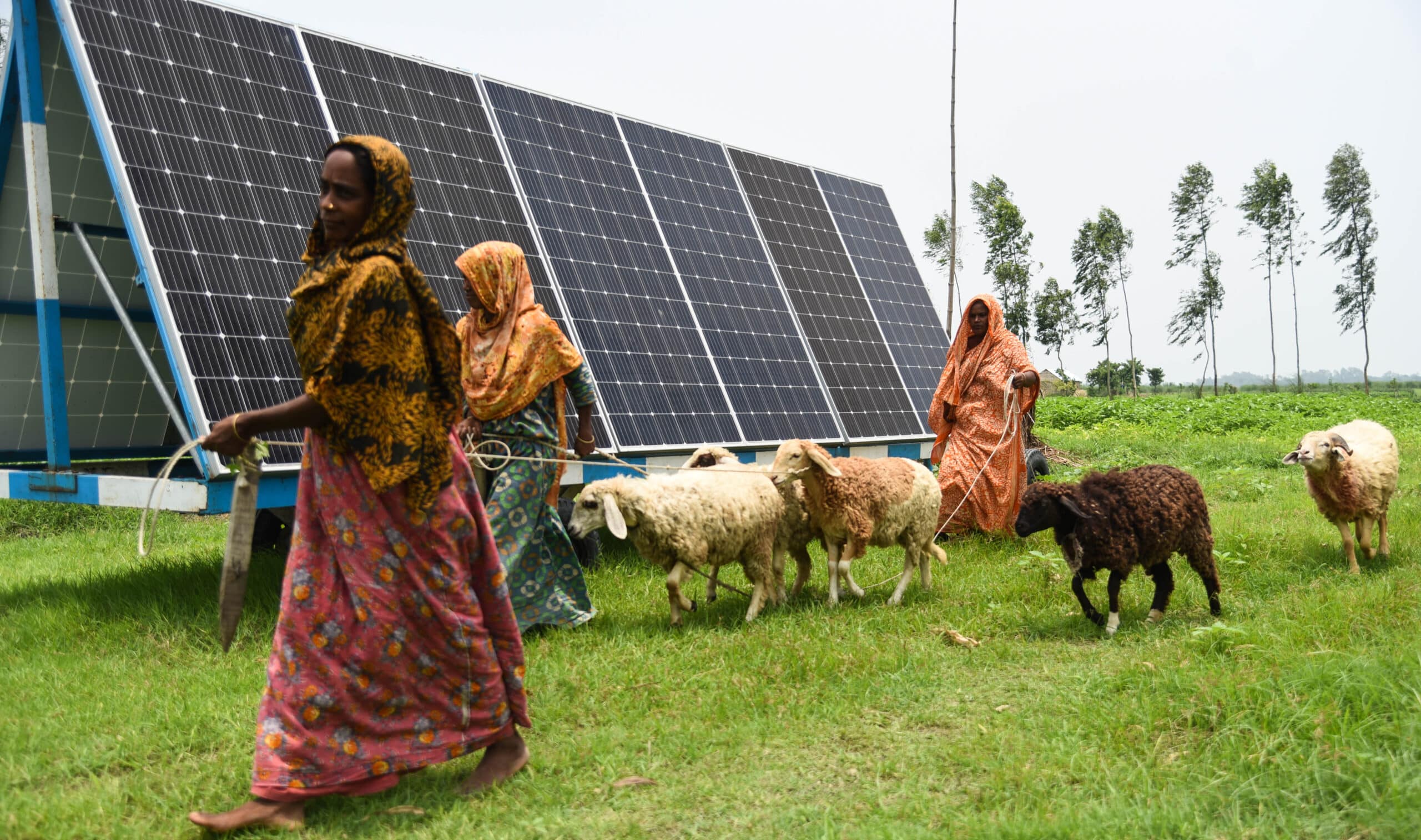
Innovative solar irrigation models inspire South–South learning

Community-managed solar irrigation in India offers scalable lessons for the Global South ...

What does financing for water resilience look like beyond COP30?

As severe water insecurities affect over 3.2 billion people, IWMI researchers point to localized private climate finance as a critical lever to closing funding gaps ...

What the evidence says about solar irrigation and groundwater sustainability in Bangladesh

An IWMI study shows that solar irrigation expansion under fee-for-service model can happen without risk to groundwater sustainability ...

The past, present and future of international commitments to water with COP30 in focus

IWMI reviews international water policy milestones, the urgent gaps that need attention and our own role in shaping the global water agenda ...

Public-private partnerships scale solar-powered agriculture in Bangladesh

The second phase of SoLAR kicks off in Bangladesh, advancing the transition toward sustainable, carbon-neutral irrigation ...

Ethiopia and Kenya to benefit from solar-powered technologies 

The Solar Energy for Agricultural Resilience (SoLAR) project in Ethiopia and Kenya aims to strengthen food systems and improve climate resilience ...

Solarizing will make agriculture resilient in South Asia and East Africa 

Supported by the Swiss Agency for Development and Cooperation (SDC), the SoLAR project will build on proven models approaches to scale the use solar energy for agriculture through policy, finance ...

Partner collaboration on water resilience tool set to bridge science-to-policy interface

The Water Resilience Tracker will assist governments in Brazil, Egypt, Malawi and Nepal to strengthen national water governance and build climate resilience ...

Reflections on water in the hottest year (so far)

The NEXUS Gains Talks series concluded by examining critical connections between global heating and water ...

Solar-powered irrigation: Empowering Bangladesh’s women farmers?

IWMI's Tanmoy Bhaduri discusses the sociocultural barriers which hinder women farmers' access to diesel power alternatives ...

Explainer: Climate finance and water

COP29 is “the finance COP.” We explain climate finance, how it relates to water and what to expect at this year's sessions ...

Climate change and a national economic crisis are overworking rural women in Sri Lanka

Recognizing the labor of climate adaptation can lead to more equitable adaptation policies, according to IWMI research ...

Contact

For media enquiries, please contact IWMI's communications team.

Languages

English, Hindi, Spanish

Based in