

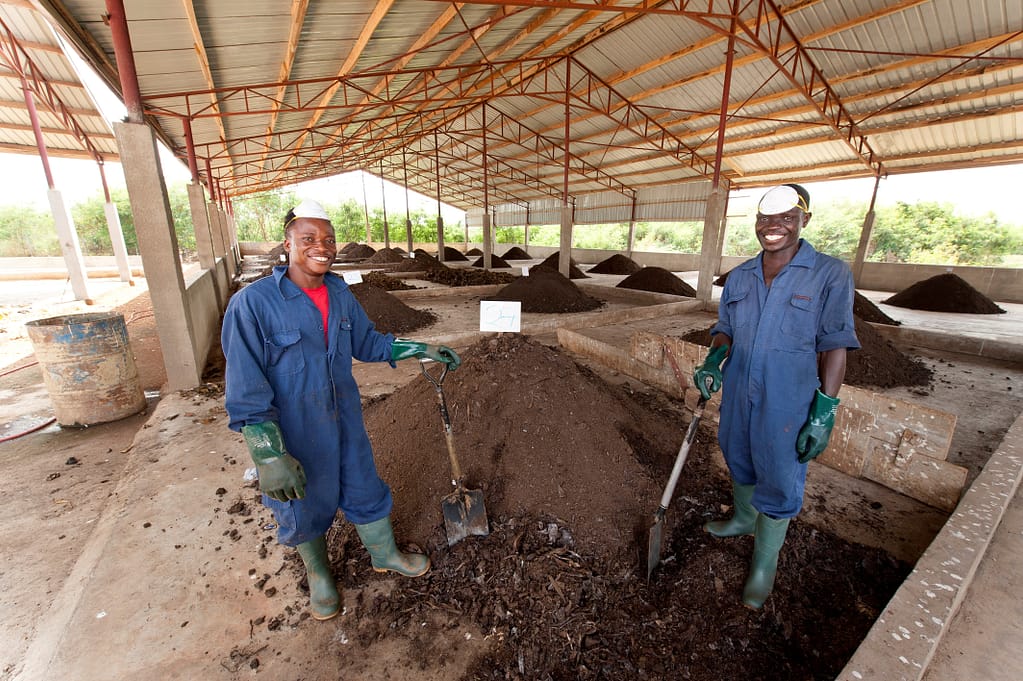
The global conversation on waste and in particular organic waste, often focuses on what we throw away. But what if the real issue is not waste itself, but how we are oblivious to its value?
At the International Water Management Institute (IWMI) circular economy thinking is reshaping how we understand waste, especially organic waste. Food scraps, market waste, fecal sludge and wastewater are typically treated as burdens to be removed.
Yet in reality, they sit at the center of some of the most urgent global challenges such as climate change, urban flooding, public health crises and declining soil fertility.
Organic waste drives multiple crises
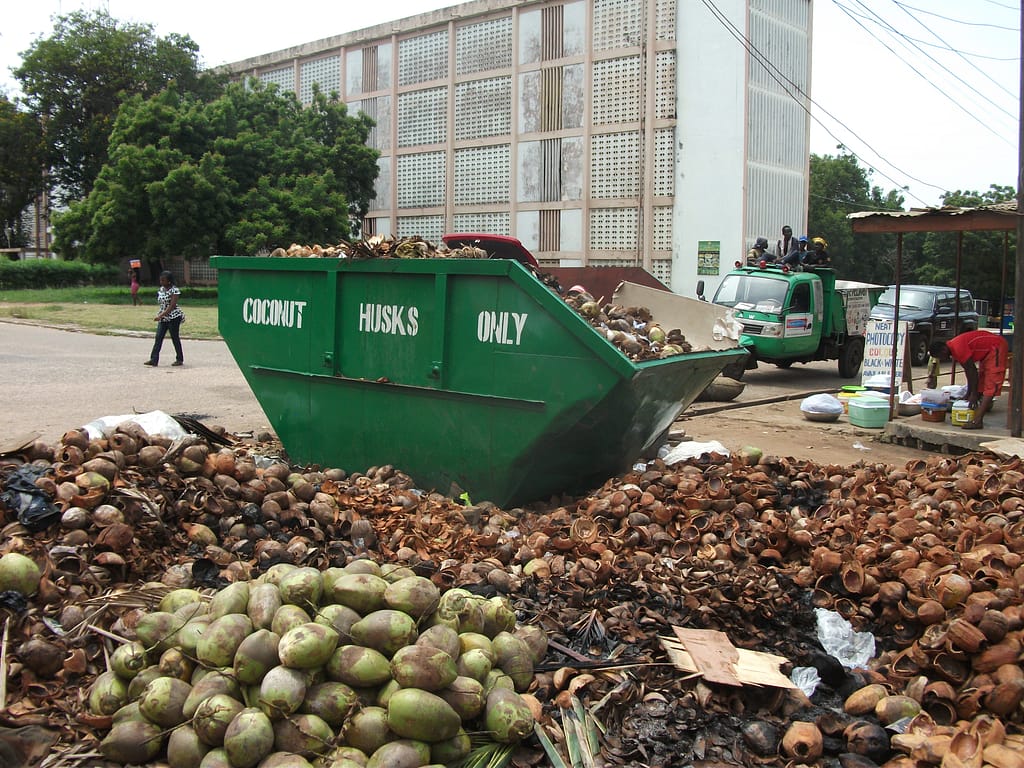
Organic waste is a powerful but overlooked driver of risk. When it accumulates in dumpsites, drains and other informal spaces, it decomposes without oxygen, releasing methane, which is a potent greenhouse gas that accelerates climate change.
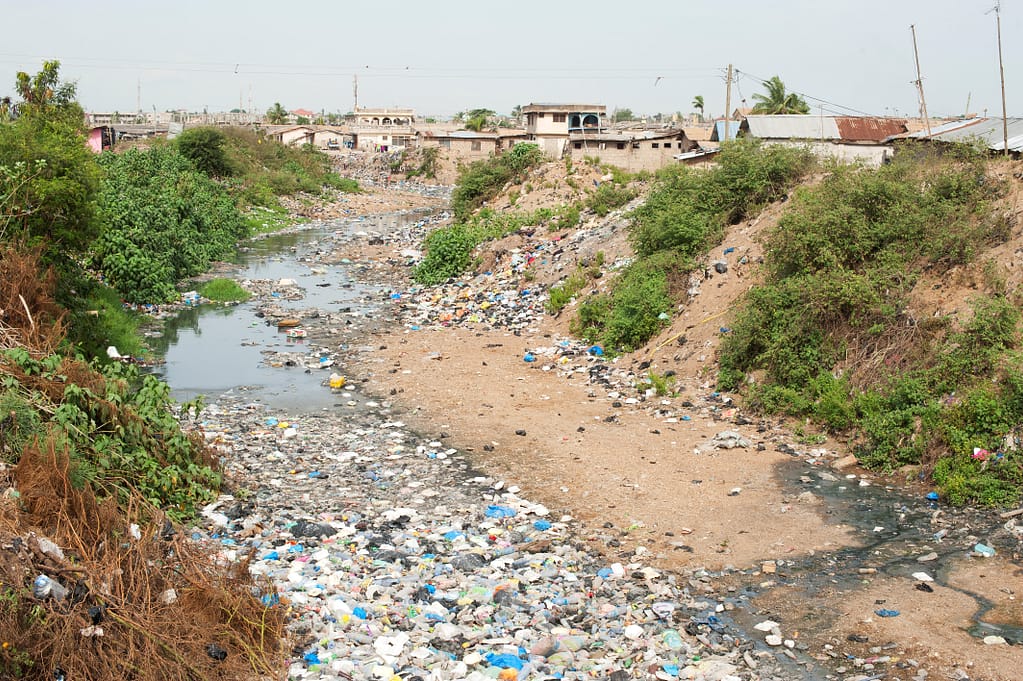
The same waste blocks drainage systems, turning heavy rainfall into destructive floods. In flooding events, it mixes with wastewater and spreads pathogens, fueling outbreaks of cholera and other diseases. When left unmanaged, organic waste is often burned, contributing to local air pollution— a major cause of respiratory diseases in cities.
These are not separate problems. They are interrelated consequences stemming from a single, unmanaged stream of organic waste. Therefore, enhancing waste management extends beyond sanitation; it is also a strategy for addressing climate concerns, promoting health and strengthening resilience.
Transforming waste into resources

The circular economy approach challenges the idea of waste altogether. Instead of asking how to dispose of it, we ask: how can it be used?
Across IWMI’s work, organic waste is being transformed into valuable resources. For example, compost that restores soil health for farmers and improves sanitation, treated wastewater that supports irrigation in water-scarce regions in the Middle East and North Africa, fecal sludge that, when safely processed — becomes a nutrient-rich fertilizer in Ghana, and organic waste converted into biogas or fuel briquettes providing clean energy for households and enterprises in Kenya.
These transformations are supported with context-relevant business models and partnership models. For instance, IWMI research in Asia, Africa and Latin America provided recommendations for business models for fecal sludge management, as well as IWMI’s publication “Resource Recovery from Waste” which provides business models for energy, nutrient and water reuse in low-and middle-income countries.
These solutions do more than reduce waste. They close critical loops between cities and agriculture, water and food systems, and consumption and production.
The role of the circular economy in climate action
One of the fastest ways to reduce near-term climate impacts is to cut methane emissions. Better management of organic waste through composting, controlled treatment and resource recovery can significantly reduce methane release.
For example, compared to landfill disposal, windrow composting method reduces greenhouse gas emissions by 69%. But unlocking this potential requires more than just infrastructure. It requires data. By understanding where waste is generated, how it moves and where it accumulates, cities can identify methane hotspots, improve collection systems and measure emission reductions.
This is where IWMI’s Wastewise tool comes in handy by translating data into actionable insights for planners, policymakers and entrepreneurs. This opens the door to climate finance and strengthens national climate commitments. In this way, circular economy approaches can turn waste systems into measurable climate solutions.
Building flood-resilient cities
In many rapidly growing cities, like Accra in Ghana, flooding is not only a result of extreme rainfall but also a consequence of blocked drainage systems. Organic waste plays a major role in clogging these systems, forming dense sludge that traps other debris.
By improving how organic waste is collected, separated and processed, cities can significantly reduce these flood risks. Targeted interventions that are guided by data can prevent blockages before storms occur. For instance, the Thalangama Wetland Watch in Colombo, Sri Lanka, is a community initiative where people come together to keep their neighborhood wetland trash-free. Used this way, circular economy interventions in waste management are a form of preventive urban infrastructure, reducing the need for costly emergency responses and repairs.
Preventing health crises before they happen
Organic waste is also a breeding ground for disease vectors such as flies, rodents and mosquitoes. When combined with poor sanitation and flooding, it becomes a pathway for widespread disease transmission.
Circular economy approaches that improve waste handling, treatment and reuse can reduce these risks at the source.
For instance, health risk reduction measures implemented on and off farm can substitute to a large extent for the absence of conventional wastewater treatment. They shift the focus from treating illness to preventing it. In this sense, circular economy interventions are not just an environmental strategy, they are preventive healthcare.
Creating livelihoods and closing rural–urban loops
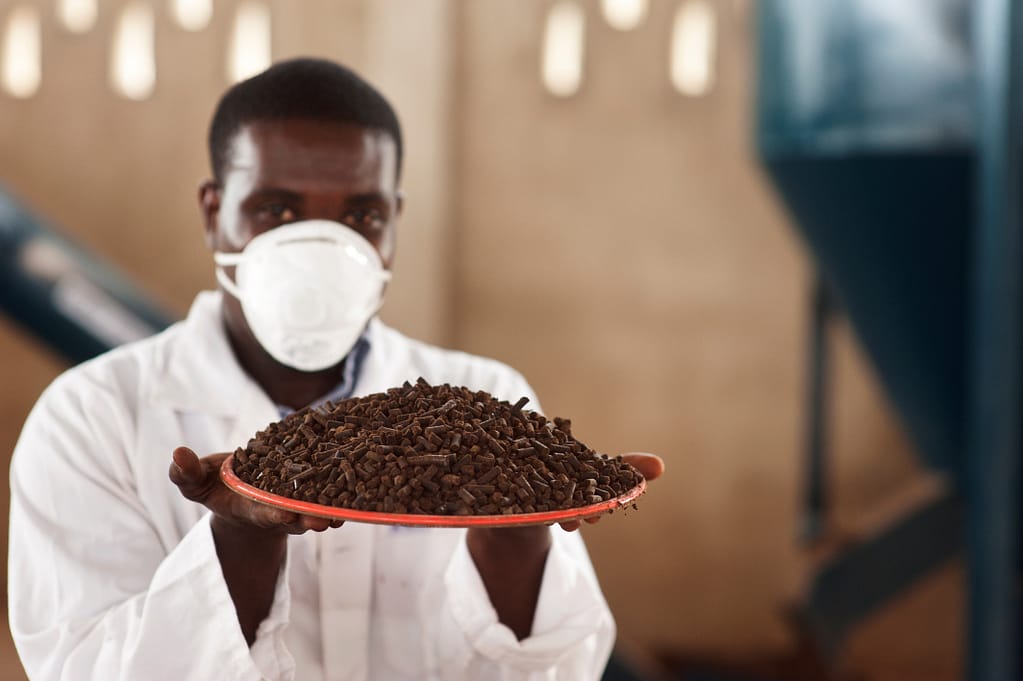
Beyond environmental and health benefits, circular economy solutions create economic opportunities. Waste collection, compost production, biogas systems and reuse enterprises generate jobs particularly for youth and informal workers.
At the same time, they reconnect cities with rural areas by returning nutrients and water back to agriculture. This helps address a critical imbalance in which cities’ resource consumption deprives rural areas of what they need.
Circular economy integration into multifunctional landscapes generates new rural enterprises and livelihood opportunities that reinforce local value chains. Circular systems restore that connection.
Data and innovation
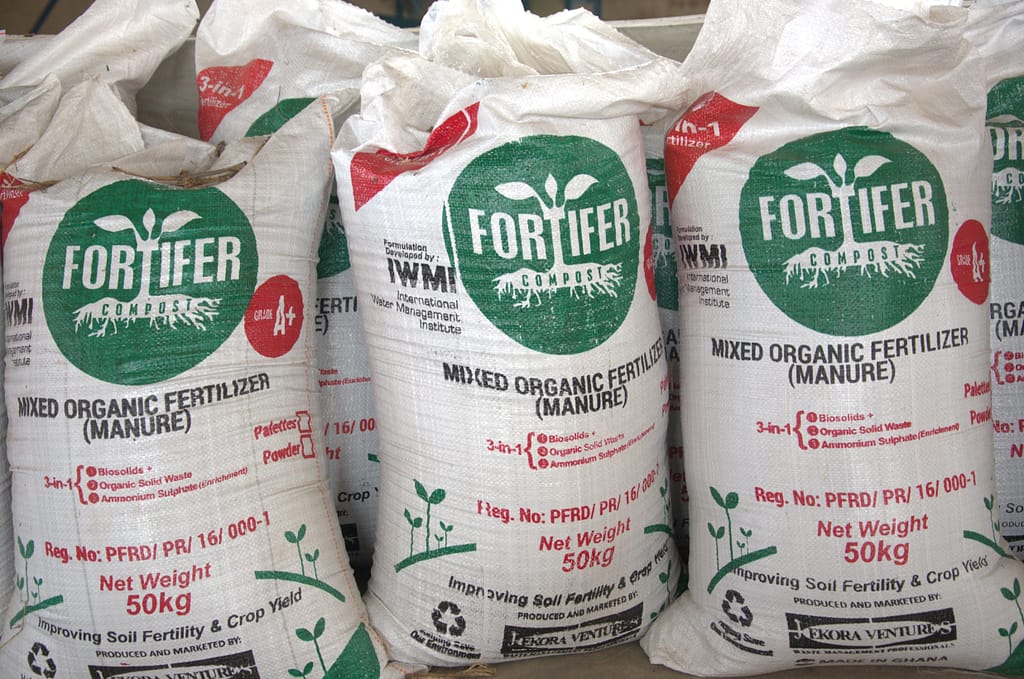
To scale these solutions, cities need better visibility into their waste systems. Digital tools and data platforms such as WasteWise and AQUASTAT wastewater section can map waste flows, predict risks and optimize resource recovery.
By turning waste into data and data into decisions, cities can move from reactive management to proactive planning.
This is where innovation platforms become essential, such as the Circular Bio-Economy Innovation Hub in Ghana and India, which are enabling more efficient, targeted and impactful interventions.
Rethinking waste for a resilient future
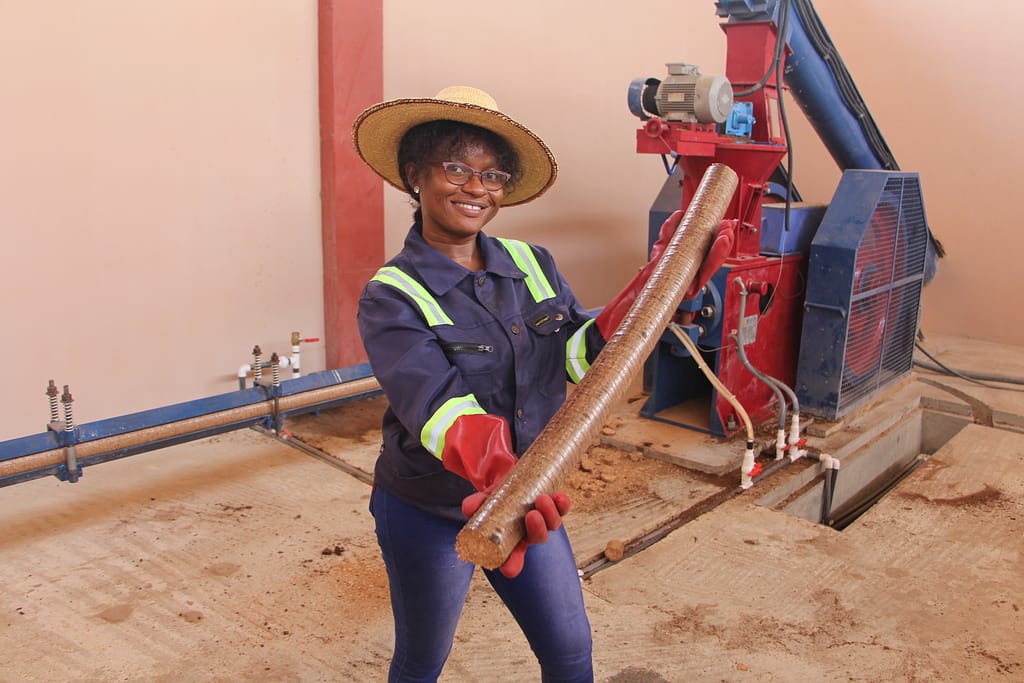
The theme of the International Day of Zero Waste 2026 is “Zero Waste Starts on Your Plate.” However, achieving zero waste goes beyond simply cutting down on what we throw away. It requires rethinking and reshaping processes, so food waste is reused and provides ongoing benefits rather than causing negative impacts.
The message for the International Day of Zero Waste is clear. The problem is not that we generate waste. The problem is that we misplace resources. Organic waste, in particular, offers one of the greatest opportunities. When mismanaged, it contributes to climate change, floods, disease and pollution. When properly managed, it becomes a driver of resilience, productivity and sustainability. Nothing is waste, only misplaced resources.


