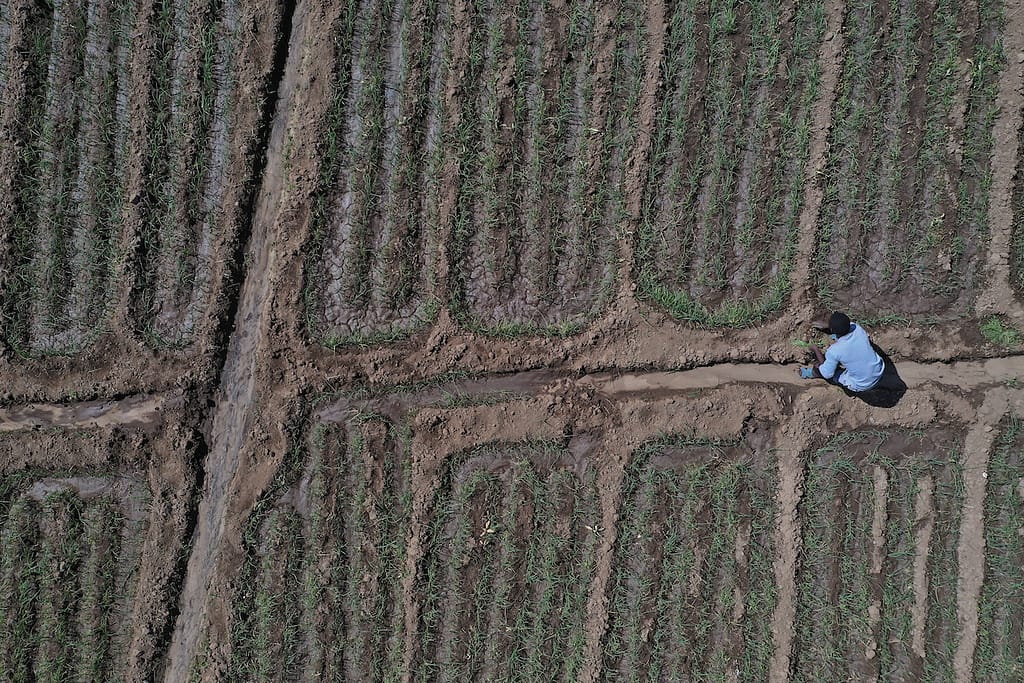
Ethiopia’s Soil and Agronomy Data Sharing Directory centralizes approximately 20,000 legacy soil profiles and over 38,000 crop fertilizer response records that were previously scattered or inaccessible. This data now supports Ethiopia’s National Soil Information System, enabling the creation of updated soil maps and helping farmers, researchers and policymakers make informed decisions about soil use and crop management across the country.
A similar model of coordinated data sharing is already working in the logistics sector. Ethiopia’s Foreign Procurement Data Exchange allow for real-time data flows across institutions. The web-based platform links federal institutions like the National Bank of Ethiopia, the Ethiopian Revenue and Customs Authority and the Ethiopian Shipping and Logistics Services Enterprise, among others. The data exchange platform has reduced processing delays, improved transparency in foreign procurement operations and helped detect irregularities more quickly.
Together, these initiatives show that coordinated data sharing is both technically and institutionally achievable in Ethiopia.
Millions of Ethiopian farmers stand to benefit if this practice of data sharing were extended across the agriculture sector. With reliable and timely information on water access, early warnings for droughts and floods and targeted advice on crops, farmers would be better equipped to manage uncertainty. Within the natural resources management sector, several public institutions already generate and manage critical data on meteorology, water resources, soils, geospatial features and irrigation performance. However, fragmented systems and limited interoperability prevent this valuable information from reaching those who need it most.
A more coordinated and innovative approach is needed to develop a comprehensive data-sharing ecosystem for effective natural resource management initiatives in the country.
Currently, unclear data ownership and restrictive policies hinder the optimal exchange of data. As a result, opportunities for evidence-based planning and informed investment decline, limiting development and research efforts that could transform agricultural productivity and food security across Ethiopia. This requires cooperation across various ministries, development partners, research institutions and the private sector.
Assessing barriers to effective data sharing
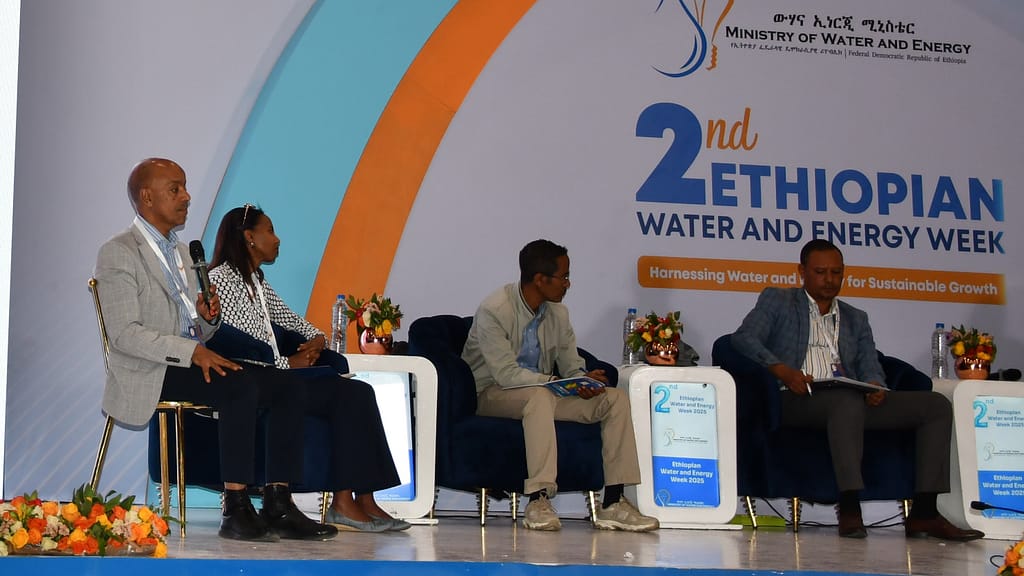
Recognizing this need, the International Water Management Institute (IWMI), Farm Africa and the Ministry of Water and Energy (MoWE) held a consultative dialogue during the second Ethiopian Water and Energy Week from October 27-31, 2025 in Addis Ababa. The dialogue brought together more than 200 representatives from government, the private sector, civil society, research institutions and the development community.
Participants pointed to persistent gaps in policy and coordination as key barriers undermining data sharing and preventing farmers — the intended end users — from accessing critical information.
Unclear legal frameworks for data access and ownership have made institutions uncertain about what they can share and under what conditions, hindering valuable information from reaching decision-makers and farmers. Furthermore, institutional silos and inadequate coordination lead to ministries and agencies collecting similar data independently. This duplicates efforts and costs while missing opportunities to build comprehensive datasets that would be far more useful when combined.
The absence of data standards and quality control makes it difficult to integrate information from different sources. For example, when soil data uses incompatible classification systems, the data becomes nearly impossible to use together for analysis and planning. Unaddressed data privacy concerns also create hesitation about sharing sensitive information, particularly when clear protocols do not exist to protect farmers’ personal information or commercially valuable agricultural data.
Further complicating matters, limited technical capacity for data storage and management has led to valuable datasets being stored in obsolete formats or kept on individual computers rather than in accessible repositories where they could benefit multiple users. The weak use of digital innovations and the reliance on manual, paper-based systems continue to limit the speed and accuracy of decision-making.
Inadequate financial resources for NRM data initiatives also mean that even when the will exists to improve data systems, the funding needed for equipment, training and ongoing maintenance is often unavailable.
Leveraging digital tools to transform data exchange
Supported by IWMI’s Digital Innovations for Water Secure Africa (DIWASA) project, the stakeholders participating in the dialogue co-developed a preliminary framework and recommendations for data sharing in the natural resource management sector.
Technologies like cloud computing, geographic information systems and remote sensing, artificial intelligence, centralized repositories, environmental monitoring systems and citizen science platforms are key. These tools and technologies can enhance data generation and exchange among stakeholders involved in natural resource management at every level, from basic data infrastructure to advanced analytical tools.
Digital tools particularly have the potential to address data-sharing barriers. For example, IWMI’s datasets on agricultural water use, water accounts and water resilience developed under the DIWASA project are now accessible through multiple platforms to support effective planning and decision-making on natural resource management across Africa.
Ethiopia’s new Basins Monitoring Strategy, developed by the MoWE with support from IWMI and partners, is also recognized as a major step forward. It focuses on improving data services for informed decision-making and modernizing monitoring systems, which align closely with the country’s broader aspirations for agricultural transformation. It is believed that the strategy will incorporate digital innovation principles from the onset to ensure its use by stakeholders.
Practical pathways for improved data generation and exchange in Ethiopia’s natural resource management initiatives must combine institutional, technological and policy interventions, with a strong focus on coordination, standardization and wise use of digital innovations. Strengthening the country’s data exchange ecosystem is a national opportunity, and not simply a technical goal. By enhancing how data is generated and shared, Ethiopia can empower farmers and other agricultural actors, guide smarter investments and infrastructure development, support climate resilience and safeguard natural resources — all to sustain millions of livelihoods.