


On a January morning in 2025, students at 22 schools across Sri Lanka’s Jaffna Peninsula received an unusual addition to their science equipment: electrical conductivity meters and water level tapes. Their assignment had nothing to do with textbooks. Instead, they would become citizen scientists, monitoring the invisible resource that sustains their homes — groundwater.
For the 600,000 people living in Sri Lanka’s Jaffna Peninsula, groundwater is a lifeblood. Unlike most of the island, this northern region has no perennial rivers and no major reservoirs. The shallow limestone aquifers beneath their feet provide much of the water for drinking, cooking, farming and the emerging tourism industry — and those aquifers are in trouble.
The peninsula’s challenges are layered. A semi-arid climate means rainfall is sparse and unpredictable. Decades of conflict left infrastructure damaged and institutional capacity weakened.
Today, as communities look towards reconstruction and agricultural revival, they face a cruel paradox: the groundwater that enabled recovery is being depleted by that same success. Excessive pumping for agriculture and daily consumption has outpaced natural replenishment. Fertilizers and pesticides seep into the porous limestone. Unregulated sand mining removes protective layers. Reduced rainfall means less recharge. The result: rising salinity has rendered 59% of wells unfit for farming and drinking, threatening the agricultural heartland that defines the region’s economy and identity.
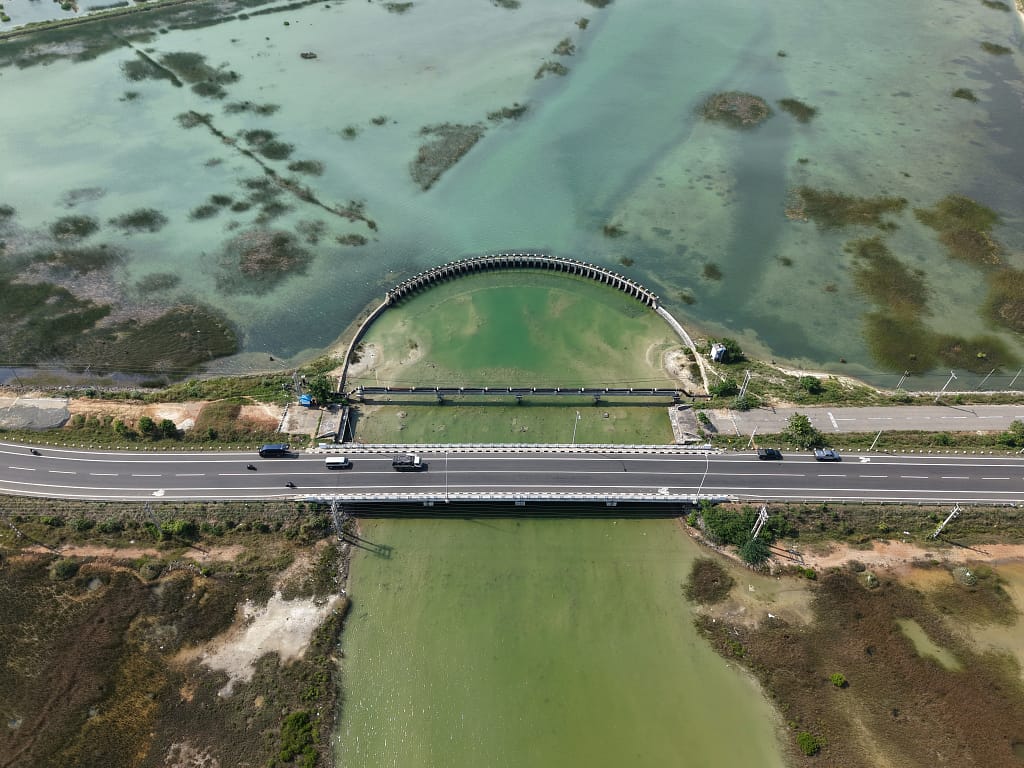
It was against this backdrop that the International Water Management Institute (IWMI), working with the UK’s Foreign, Commonwealth & Development Office (FCDO), set out to understand what was happening beneath Jaffna — and how to help.
IWMI researchers began with what might seem obvious but was surprisingly absent: comprehensive data. A synthesis of 76 research papers revealed a fragmented picture. Studies sat in institutional silos, inaccessible to sister agencies and the public. Long-term monitoring was sporadic. Critically, the socioeconomic dimensions of groundwater use remained largely unexplored, and institutional coordination was hindered by the absence of unified water legislation.
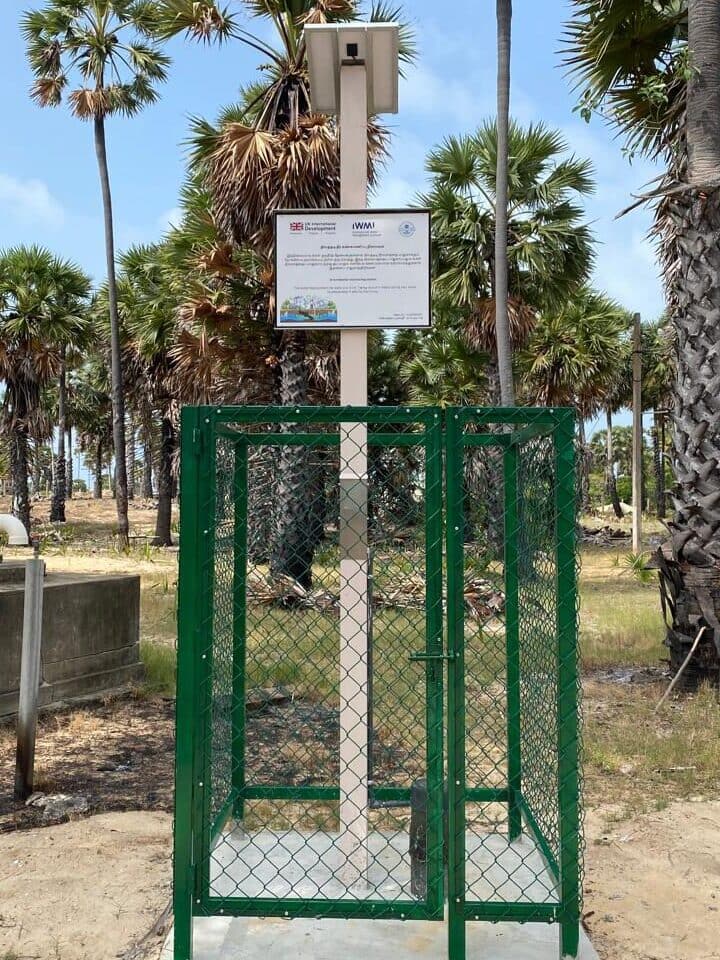
To fill these gaps, the team established 15 automated monitoring wells across the peninsula, strategically positioned based on hydrological stress, land use patterns and population density. Powered by solar panels, these stations transmit data on water levels, salinity and temperature every 15 minutes to a centralized dashboard. For the first time, decision-makers can see in near real-time when saltwater is creeping inland or when extraction is depleting the aquifers.
However, monitoring alone cannot solve Jaffna’s groundwater challenges without understanding how people use water. A review of existing research found few studies on the socioeconomic impacts of groundwater use or on how communities rely on the resource. To verify what was missing and ground the work in local reality, the team conducted a survey of 225 farmers, combined with satellite-based evapotranspiration data.
This updated study revealed striking variations in water productivity across the peninsula. It identified which crops — onion, chilli, pumpkin and capsicum — deliver the best agricultural returns per unit of water consumed, offering farmers concrete guidance during the critical dry season when every drop counts. Farmers learned about the benefits of drip irrigation and mulching. They discussed the potential of rainwater harvesting systems and considered salt-tolerant crop varieties. The insights were practical.
Parallel to the technical work, IWMI established a multi-stakeholder platform bringing together government agencies, academics and community representatives who had rarely sat in the same room. The platform gathered policymakers at one table to coordinate decisions on groundwater management. It created a structure — steering committee, technical committee and advisory committee — to coordinate action across institutional silos that had allowed problems to metastasize.
However, sustainable groundwater management could not be imposed from above. It required ownership at every level, including awareness and engagement from the community.
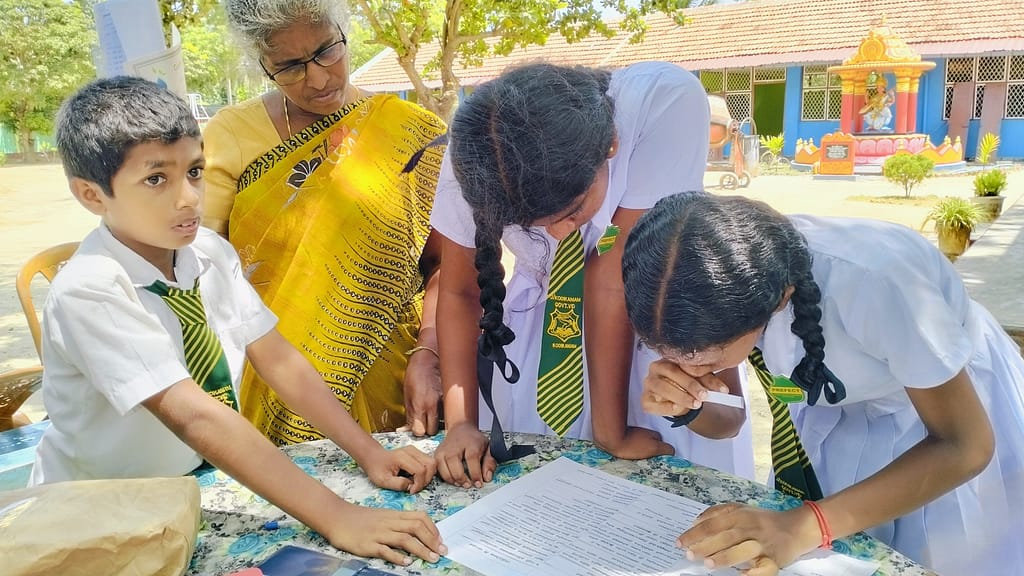
This is where citizen scientists came in through the school program. Over 2,000 students participated in groundwater awareness sessions designed to fill knowledge gaps in the community about protecting this precious resource. Thereafter, five students from each participating school began conducting weekly measurements of well depth and salinity. Teachers consolidated the data, which is reviewed monthly at zonal meetings. The measurements feed into the same system used by relevant professional and hydrologists, giving government institutions, including the Department of Irrigation and the Department of Agriculture, to access community-level data they have never had before.
For the students, many of whom live in households struggling with water access, the work transforms an abstract environmental crisis into something tangible they can help address. For scientists, it multiplies their monitoring capacity twentyfold.
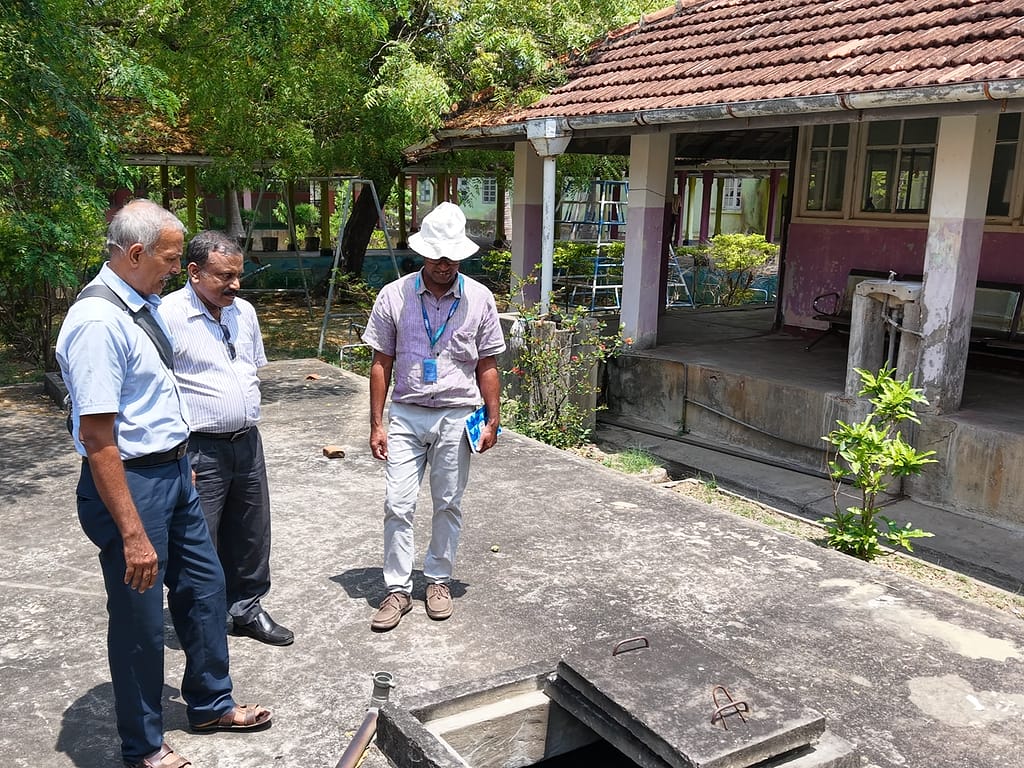
IWMI also addressed immediate needs. At Kayts Base Hospital, medical staff described struggling to sterilize equipment during the dry season due to water shortages. At a school in Chavakachcheri the principal explained how sanitation suffered when rainfall was limited. IWMI’s renovation of rainwater harvesting systems at both locations provided relief, demonstrating that large-scale policy changes and small-scale infrastructure improvements must proceed in tandem.
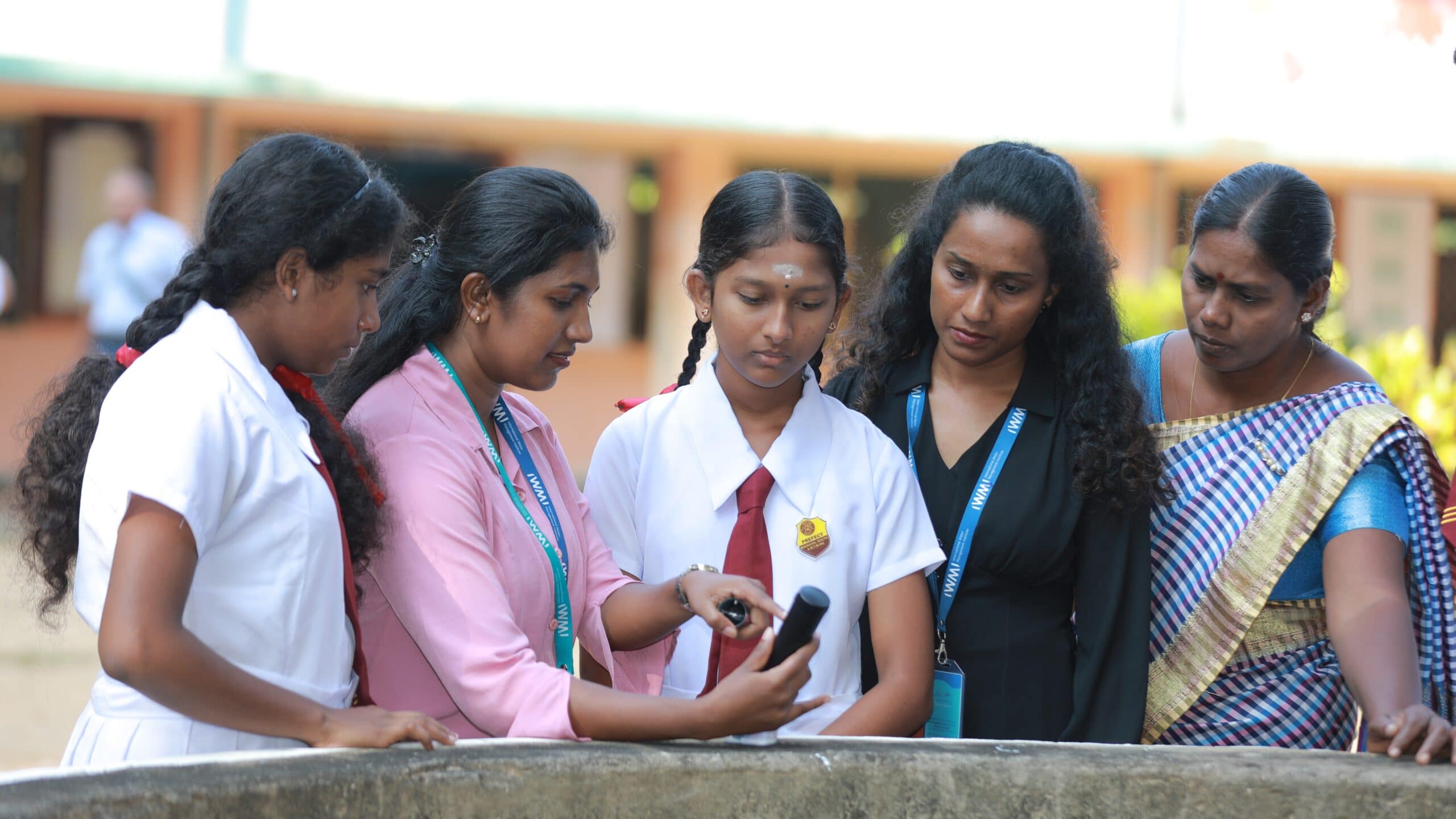
On that crisp January morning, as students unboxed their monitoring equipment, one truth stood out: Jaffna’s groundwater crisis cannot be solved by a single technology, intervention or institution. Its solution — if it comes at all — will emerge where data informs decisions, research meets practice, and communities are connected to the resources that sustain them. The work is underway.
Meanwhile, the aquifer continues its quiet negotiations with the sea, the rain and the thousands of wells that tap its depths each day — now even more precarious in the wake of recent floods triggered by Cyclone Ditwah that have reminded the island of nature’s relentless power. The balance that has long been lost is under renewed stress, and the systems now in place will be tested as never before.


