Systems thinking takes center stage at the World Water Congress in Morocco
Innovation alone will not secure water’s future. IWMI experts demonstrated that cross-sector planning, community participation and digital tools are key to water security.
Violence keeps women out of vital water decisions. For stronger water governance and genuine progress on equality, women’s safety must come first.
At the annual event in Egypt, IWMI and partners explored how to turn climate research into real-world water resilience across the Middle East and North Africa.
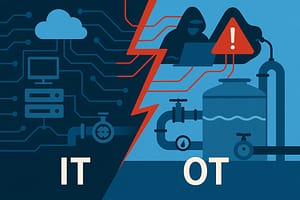
Hackers are turning water into a new target. For the Global South, the stakes are high — but simple, practical steps can help keep communities safe.
As wetlands disappear, constructed alternatives are stepping in. In this feature story, we look at whether they can keep up.
On Working Animal Day, IWMI pays tribute to the vital role of the water buffalo in rural economies, from the Nile to the Euphrates.
In the Middle East and North Africa (MENA), water is often a casualty of political instability, with access disrupted by conflict and poor governance. IWMI’s new framework offers a path to turning water management into a tool for local stability and resilience.
IWMI and partners are documenting the economic, social, and environmental impacts of nature-based-solutions across its four pilots in Egypt, Jordan, Lebanon, and the Occupied Palestinian Territories (OPT) — making the case for their broader adoption.