

Nepal
Nepal is endowed with abundant water resources. However, much of the population struggles to access safe and reliable water for drinking, sanitation and agriculture. Population growth, land degradation, inequitable landownership and weak institutional capacity are major challenges for water resources management, as are the norms surrounding gender, ethnicity, caste, class, region, and disability. An estimate shows that less than 8% of the country’s water potential is used for irrigation. Nepal is extremely vulnerable to climate change, and this has radically changed seasonal water availability, causing droughts during the dry season and increased flooding during the monsoon season.
In 2015, Nepal became a Federal Democratic Republic, ceding significant powers to 753 local governments, including exclusive and concurrent rights to develop, manage and use water resources and watersheds within their jurisdiction. The government aims to triple per capita income to $12,000 by 2044. Achieving this will require a substantial improvement to management and governance of water resources.
IWMI in Nepal
IWMI has been working in Nepal since 1986, focusing on sustainable water management, climate resilience, and rural development. The institute collaborates with government bodies, research institutions, NGOs, and local communities to tackle water challenges through evidence-based policies and inclusive solutions. Key projects include solar-powered irrigation systems to boost agricultural resilience, especially for smallholder and women farmers, and watershed resilience initiatives to enhance water availability in vulnerable areas. IWMI also plays a role in advancing gender equality and social inclusion by supporting women’s access to agricultural inputs and decision-making power.
IWMI’s research extends to climate change adaptation, with projects like Digo Jal Bikas analyzing water allocations under future climate scenarios to guide national policy. The institute is also focused on improving disaster resilience in water-related crises by developing strategies to support vulnerable communities. Through its interdisciplinary approach, IWMI aims to foster inclusive growth, improve water security, and enhance agricultural productivity in Nepal’s rural areas.
Country representative

Get updates
Be the first to know about IWMI research, data, events, and news.

Latest Nepal news
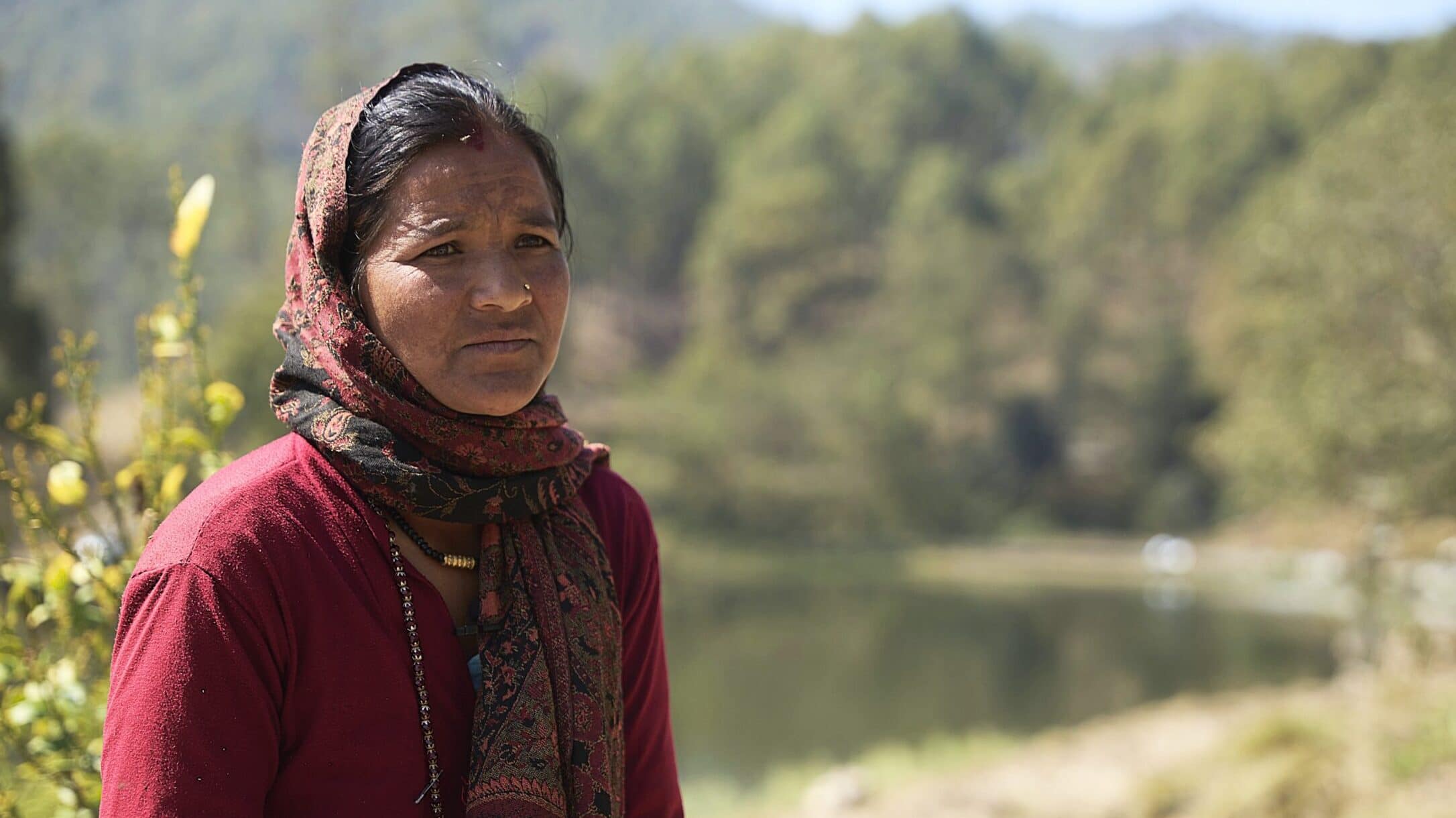
Lessons from the shoreline

The Water Resilience Tracker is reframing climate policy across the Global South
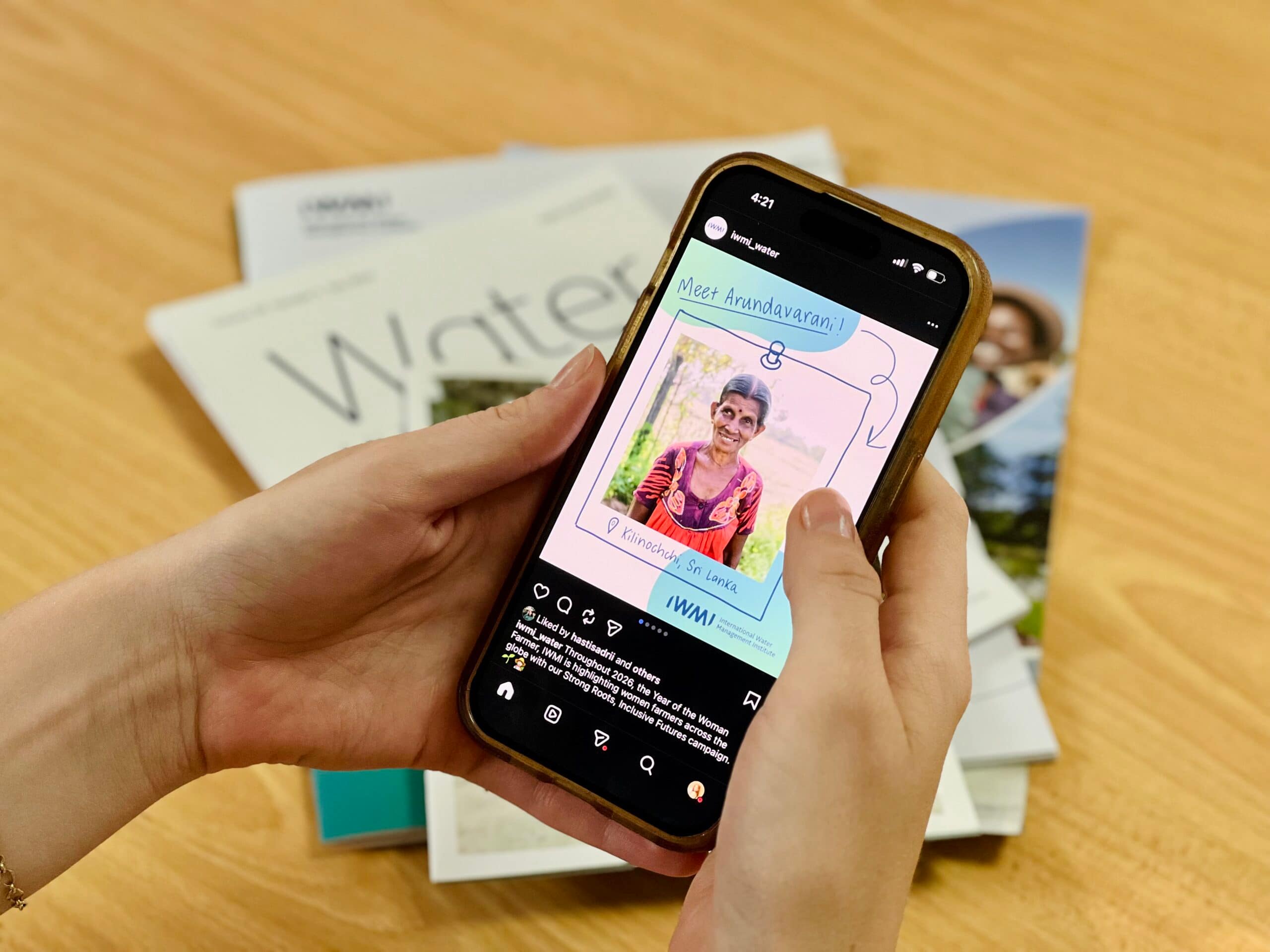
Strong roots, inclusive futures
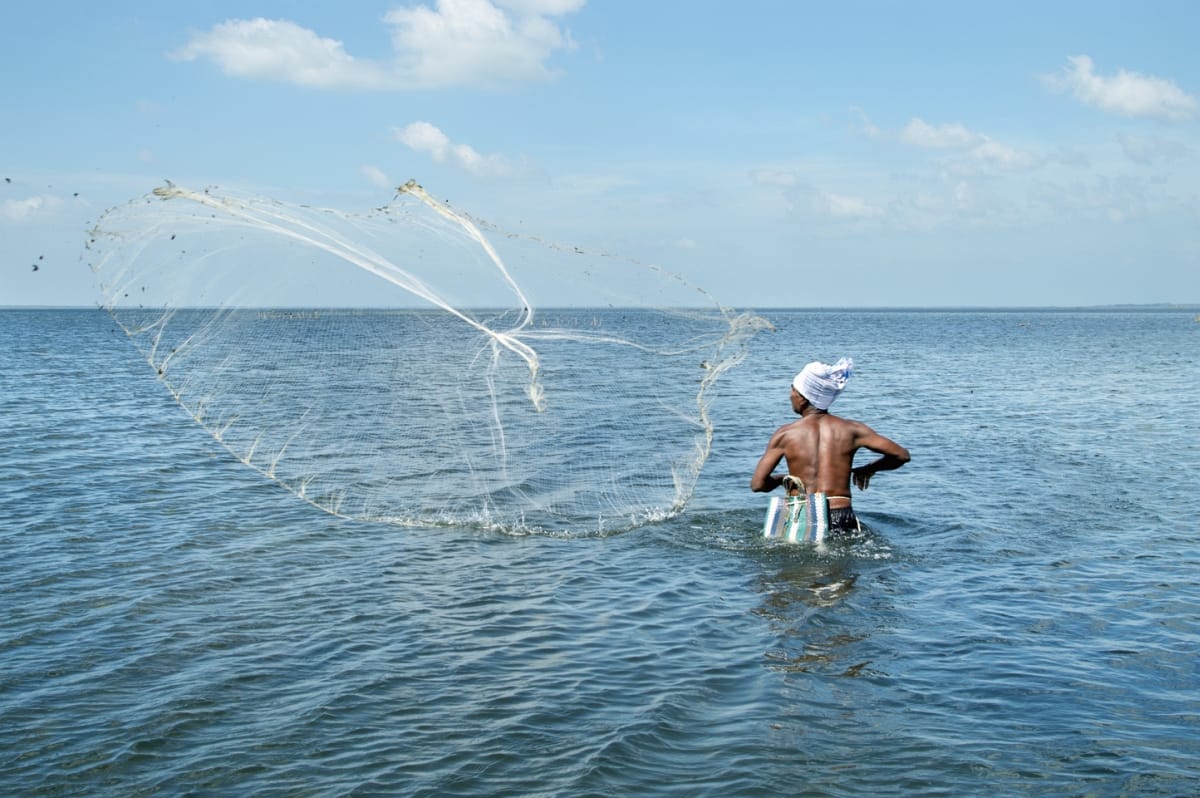
January-February 2026 Research Journal Roundup
Latest Nepal publications
Country Strategic Roadmap: Nepal 2024–2030

Unpacking the Challenges of Solar Lift Irrigation in Nepal’s Mid-Hills: Toward a Sustainable Energy-Water Solution

Sunlight to Sustenance: Early Implementation Insights from a Solar-Grid Lift System Pilot in Nepal’s Mid-Hills