


Twenty-five years of the IWMI-Tata Partnership
From India’s agriculture fields to its parliament, the IWMI-Tata Water Policy Research Program continues to shape programs and policies.
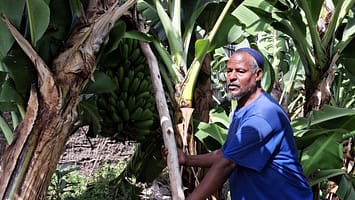
Aligned policies and science are pathways for Ethiopia’s smallholder irrigation
Government officials, researchers and farmers are coming together to inform sustainable smallholder irrigation systems in the Meki River watershed.

PM-KUSUM is a serious policy instrument. What it requires now is institutional depth
IWMI's Anurag Banerjee, Darshini Ravindranath and Tanmoy Bhaduri argue that India’s energy transition will be judged not by installed gigawatts
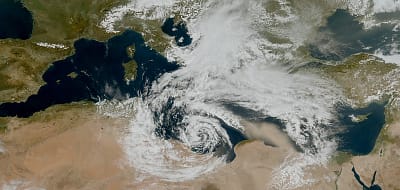
Why climate change holds all the (Uno) cards, for now
Emergent properties are our biggest climate threat, yet could also be the key to making significant progress against climate change.
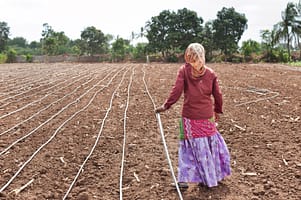
Can we outpace the next drought in India?
On World Day to Combat Desertification and Drought, find out how India's first anticipatory AI-powered drought advisory is turning early
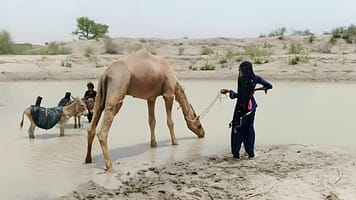
Women, water and the weight of drought
The invisible burden of water scarcity shaping the daily lives of women in Pakistan’s Tharparkar district.

River health for water security
The IWMI-led Global Environment Flows Platform brings together open-access tools to estimate environmental flows and track progress towards diminishing water

How AI and wastewater reuse can help address Egypt’s water scarcity
Through e-ReWater, IWMI and partners use AI, remote sensing and water demand analysis to support safe water reuse.
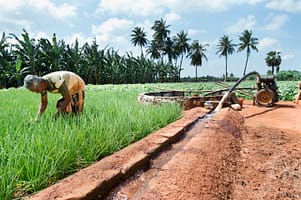
The need for better governance for transformational climate adaptation in Sri Lanka
A new book by IWMI researchers sets out institutional reforms needed to manage water, amid worsening floods and droughts.
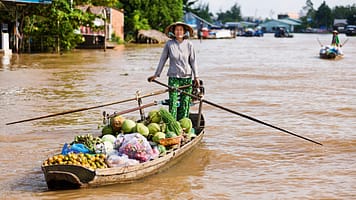
A global link between unsafe water and hunger
A new study covering 121 countries shows that improving access to safe drinking water is critical to tackling food insecurity

Climate-agriculture support boosts rice harvests by 226 kilograms per acre
When climate forecasts and agricultural advice reached farmers in a Sri Lankan village, they rewrote the rules of climate risk.

Morocco’s answer to drought is in the ocean. Could more of Africa follow its lead?
IWMI’s Youssef Brouziyne told CNN that seawater desalination remains 1.5 to 4 times more expensive than many traditional freshwater sources,
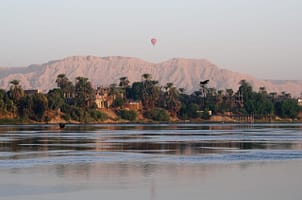
A digital twin for the Nile Basin
IWMI and the Nile Basin Initiative scope the development of a pioneering digital twin to boost water management and forecasting.

‘I fear people will go to war over water’: as wells run dry, farmers struggle to survive in Bangladesh
A recent study led by the development NGO Brac, with the Global Center on Adaptation and IWMI, found that rising

Tanzania launches landmark seed sector development strategy and investment plan
The Government of Tanzania has established a national roadmap for transforming the country's seed sector through 2030.

Central Asia’s water crisis is becoming a regional economic risk
IWMI’s Iskandar Abdullaev describes drought as a regional stress test for water, energy, food systems and political trust.
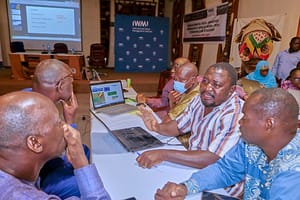
Listen before you build
How IWMI scientists and irrigation managers from Mali co-created a digital irrigation tool for long-term impact.
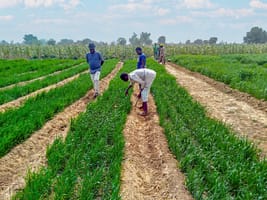
Where irrigation dialogue becomes action
A multi-stakeholder platform in Nigeria brings together government, financiers and farmers to align priorities and scale irrigation investment in agriculture.

Limited efforts to expand solar power use in agriculture
IWMI’s Jayanta Bhattacharya highlights how pairing solar irrigation with Alternate Wetting and Drying techniques will help incentivize water conservation, reduce

Why science communication is essential for climate justice
Climate science and adaptation strategies can only make an impact when people are able to understand and act upon them.

Ethiopian communities are using low‑cost methods to restore eroded land
IWMI's Wolde Mekuria shares insights on how exclosures can reduce soil erosion and restore vegetation cover.
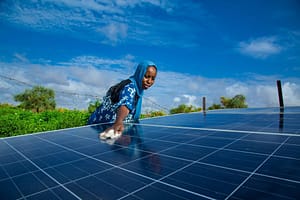
Africa’s power plants are set for expansion by 2030, with renewables’ share growing from 19% to 34%
An IWMI open-access spatial inventory maps current and future power plants across Africa and projects energy, water and carbon implications.
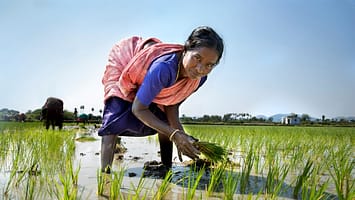
Explainer: Alternate Wetting and Drying irrigation technique
A water-saving approach for sustainable rice production.
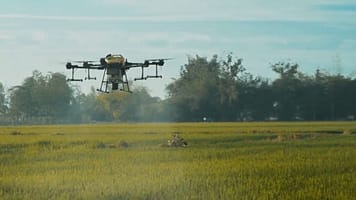
What is your future fit irrigation system?
Emerging leaders from across the Global South outline how irrigation can be redesigned to be more resilient, inclusive and sustainable.
Why Africa’s irrigation potential isn’t scaling and what donors are missing
In the current climate of development finance, quick-win solutions are often favoured. Using small-scale irrigation as an example, IWMI's Thai

Drought in Central Asia becoming a chronic threat
IWMI's Iskandar Abdullaev warns that the temperature in the region is rising faster than the global average, turning into a
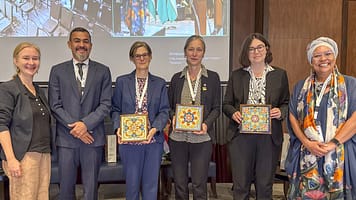
IWMI launches Water Governance Accelerator to support countries manage water resources
The technical advisory service for governments, river basin organizations and regional bodies helps turn water governance challenges into solutions for
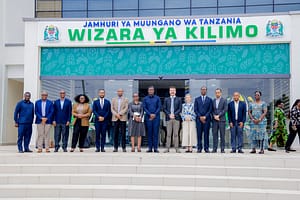
Tanzania approves landmark seed strategy
In partnership with IWMI, the Tanzanian Ministry of Agriculture is boosting food security and climate resilience with a national framework

Reducing energy dependence through solar irrigation in Bangladesh
Bangladesh’s growing fuel import crisis is driving renewed focus on solar-powered irrigation as a practical solution to reduce energy dependence,
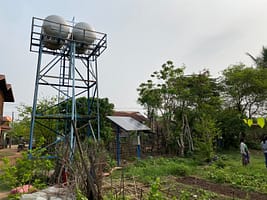
What decides the success of solar irrigation?
As solar irrigation scales across Southeast Asia, three cases in Lao PDR and Cambodia highlight lessons, trade-offs and conditions that

Mozambique launches digital platform to improve irrigation monitoring
Designed to assess and diagnose irrigation systems, the platform provides water managers actionable data to boost performance and agriculture sustainability.

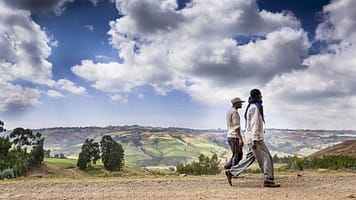
Science, community and land restoration
Healthy, resilient landscapes depend on long-term science, local stewardship and conservation efforts that sustain livelihood, says IWMI researcher Wolde Mekuria.

March-April 2026 Research Journal Roundup
Roundup of research, journal and other academic articles from March and April 2026.
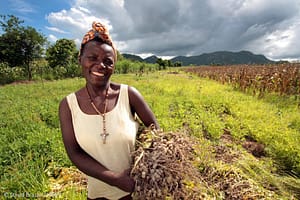
Three tools, one river basin and a question every digital project should ask
IWMI applies an equitability framework to ask whether three digital tools in the Limpopo River Basin serve all users, and
The coming food crisis in South Asia
IWMI's Santosh Nepal highlights how oil disruptions are cascading into fertilizer markets, weakening agriculture and putting South Asia’s food security
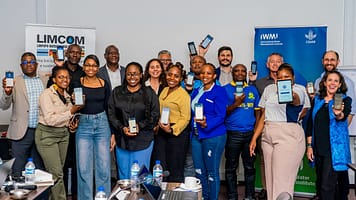
Limpopo River Basin water managers get AI-powered Digital Twin and WaterCopilot to strengthen water security
LIMCOM and IWMI capacitate officials from Botswana, Mozambique, South Africa and Zimbabwe to use digital tools for monitoring, forecasting and

Landless Bangladeshi farmers suffer as paddy fades in Barind
In response to water scarcity, agriculture in north-western Bangladesh is transitioning – but leaving landless communities behind.
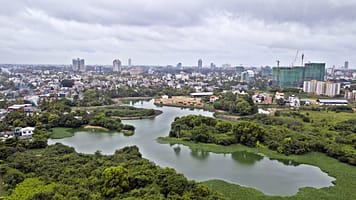
Colombo’s wetlands find new defenders in stories, histories and heritage
IWMI partners with universities in the UK and Sri Lanka to place community memory and cultural identity at the center
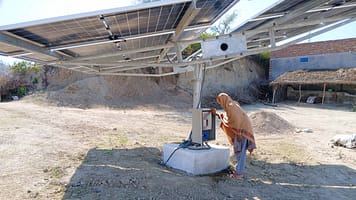
Can rainwater ever be a reliable resource for drylands?
From rain-dependent farming to reliable harvests, nature-based solutions are helping smallholder farmers take control of water in Chakwal, Pakistan.

To solve the water crisis, countries must start with data and work together
At the World Governments Summit 2026, Mark Smith, director general of IWMI, explored strategies for advancing sustainable solutions for water
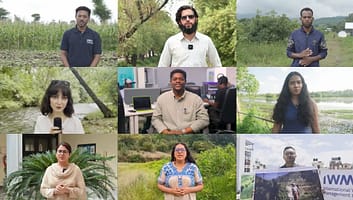
How can irrigation systems adapt and evolve in times of deep uncertainty?
Young professionals across the Global South share the breakthrough innovations they believe can transform irrigation systems under growing climate and
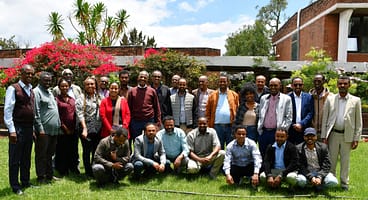
Ethiopia plans to scale solar irrigation with public and private sector momentum
The transition from subsidy to sustainable financing for solar-powered irrigation is through institutional coordination and technical assistance.
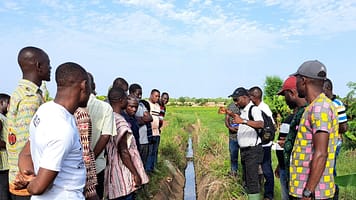
IWMI strengthens activities in Nigeria with two senior appointments
New leadership boosts partnerships and drives scalable, evidence-based solutions for water and irrigation systems.
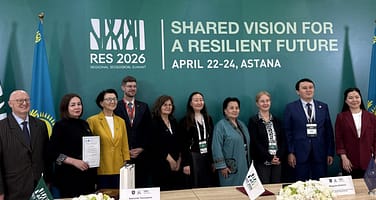
Central Asian universities and IWMI sign MoU to advance water diplomacy education
IWMI is partnering with regional universities to launch a joint master’s program aimed at strengthening expertise and expanding knowledge in

How AI helped promote community-led development in Rajasthan, India
Suchiradipta Bhattacharjee and Alan Nicol share insights on how an IWMI project to improve water resilience in two districts strengthened

Solar irrigation initiative launched with Ethiopian solar energy association
The collaboration aims to improve the conditions for solar-powered irrigation as Ethiopia works to build agricultural resilience.

Climate change is raising the stakes for water security in the Indo-Pacific
A regional discussion highlighted how Australia and partners can turn water and climate commitments into real-world progress across the region.

From dust to resilience in Iraq’s Dhi Qar through nature-based solutions
IWMI’s Wiqaya project combines science, field action and community knowledge to implement nature-based water solutions that reduce sand and dust
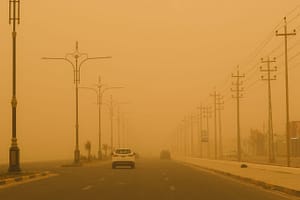
When dust clouds darken the sky
This Earth Day, what will it take to scale nature-based solutions to mitigate against sand and dust storms in Iraq
