
Earlier this year, Pakistan’s Meteorological Department warned that severe drought was tightening its hold across much of the country. Rainfall was 40% below normal, hitting the already parched provinces of Sindh, Balochistan and Punjab the hardest. A few rain spells brought momentary relief, but parts of the south had gone more than 200 days without rain. With precipitation far below average, temperatures have risen by 2 to 3 degrees Celsius, intensifying the drought’s grip.
As water grows scarcer, Pakistan’s food security is under mounting threat. Experts say the country needs sweeping reforms in how it manages water — shifting focus from massive dams to local, climate-smart solutions like rainwater harvesting, efficient irrigation and technology that curbs waste. Without putting water at the heart of agricultural policy, the goal of food self-sufficiency will remain out of reach.
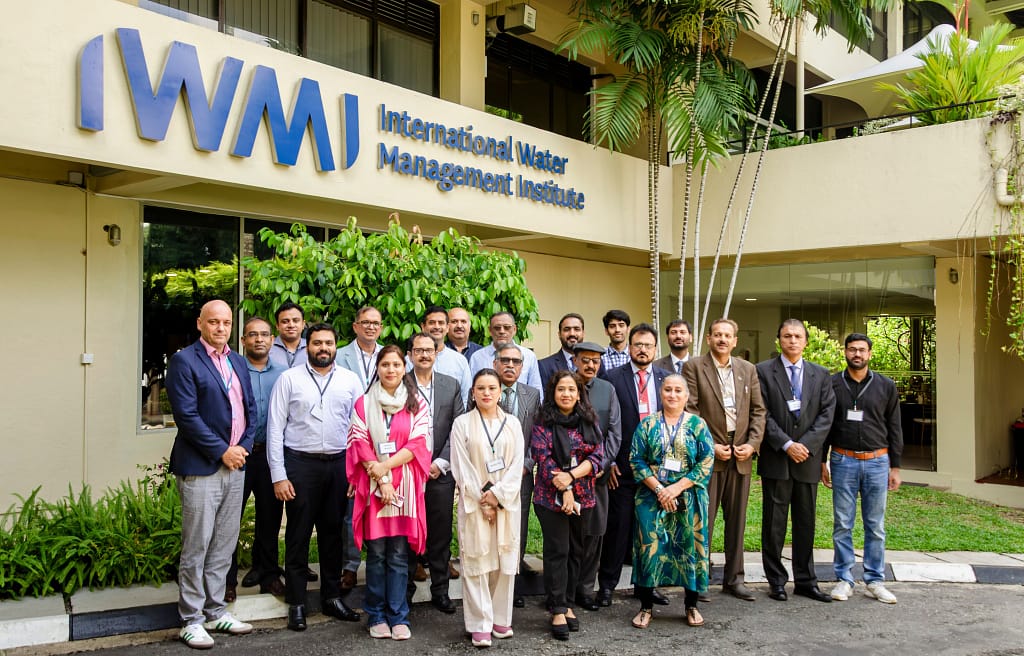
To explore practical ways to achieve this, senior officials from Pakistan’s meteorological and disaster management agencies met with International Water Management Institute (IWMI) leadership in Colombo, Sri Lanka. The discussions centered on a strategic transition to proactive drought management, emphasizing collaboration on drought monitoring, early warning systems and collective action to strengthen climate resilience across land, water and food systems.
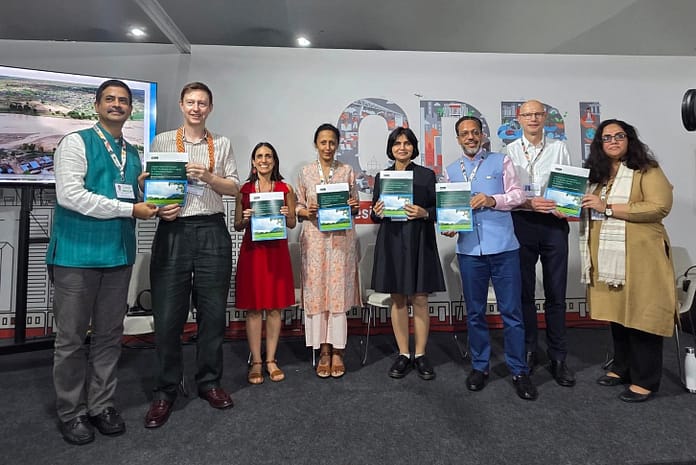
The bilateral meeting, held in September 2025 at IWMI headquarters, brought together the Director General of Pakistan Meteorological Department (PMD), the Chief Executive Officer of the National Disaster Risk Management Fund (NDRMF), and IWMI’s Director General to discuss the operational enhancement and future roadmap of Pakistan’s newly launched Drought Management System.
The discussions took place during a comprehensive five-day Capacity Building Workshop on Drought Risk Monitoring and Management, where government officials from Pakistan’s federal and provincial agencies received intensive training on advanced drought monitoring tools and response planning strategies.
Building on progress with PakDMS
Pakistan launched its first integrated Pakistan Drought Management System (PakDMS) in early 2025, developed through collaboration between IWMI and PMD with support from the UK’s Foreign, Commonwealth and Development Office (FCDO) under the Water Resource Accountability in Pakistan (WRAP) program, the WaPOR project of the Food and Agriculture Organization of the United Nations (FAO) and CGIAR’s Climate Action Program. The system represented a significant turning point for Pakistan, which has historically lacked coordinated early warning mechanisms despite facing recurring severe droughts.
The platform integrates multi-source data, including rainfall, evapotranspiration, soil moisture and remote sensing information to provide near-real-time alerts on emerging drought conditions. It also incorporates high-resolution datasets from FAO’s Water Productivity through open access of Remotely Sensed Derived Data (WaPOR) database, strengthening accuracy for decision-makers at national and provincial levels.
“Most of our farmers in Punjab are smallholders. By using the Pak DMS portal in our operational drought management efforts, we can take early preparatory action. This is important in improving the coordination and collaboration on drought mitigation among farmers in the region,” said Mirza Wasim Abbas, deputy director of the Punjab Agriculture Department.
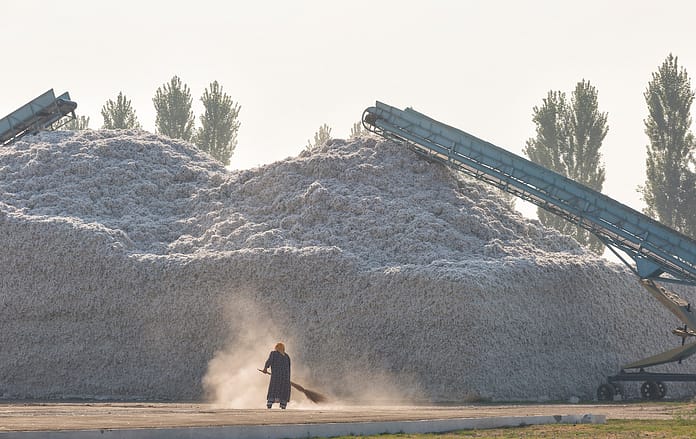
Recent droughts have underscored the urgency of such systems. The 2018-2019 drought caused widespread crop losses and displacement in Balochistan and Sindh, while drought conditions in 2023 affected over 80% of the country. Pakistan’s vulnerability is compounded by heavy reliance on monsoon rains, minimal water storage capacity and irrigation inefficiencies that result in significant water losses.
“Integrating with PakDMS and involving academia, along with cross-sectional data on water bodies, will take drought monitoring to the next level,” said Syeda Maria Zaidi, National Coordinator with FAO in Pakistan. “It will strengthen contingency plans and advisories based on available water resource information.”
Charting the path forward for drought resilience
During the bilateral meeting, officials discussed strategies to enhance PakDMS functionality, expand its integration across government agencies and establish clear protocols for translating drought warnings into coordinated response actions. Stakeholders focused on strengthening inter-agency coordination and ensuring that early warning information reaches decision-makers and vulnerable communities in time to enable preventive measures.
“Our National Drought Monitoring and Early Warning Center works closely with IWMI, and these workshops have been invaluable in helping us understand how to implement drought mitigation more effectively,” said Syed Faisal Saeed, chief meteorologist at the Pakistan Meteorological Department.
The meeting also explored opportunities for expanding the system’s capabilities, including integration of advanced forecasting models, artificial intelligence-driven advisory services, and enhanced community-level dissemination mechanisms. Officials examined how innovations such as the SukhaRakshak AI chatbot and Water Copilot could be adapted to Pakistan’s context to deliver localized drought advisories in regional languages.
Mohsin Hafeez, strategic program director for water, food and ecosystems at IWMI, emphasized the organization’s commitment to supporting Pakistan’s drought resilience journey. “The bilateral discussions have identified concrete next steps — from technical enhancements to PakDMS to capacity building at national levels. IWMI is committed to providing sustained technical support as Pakistan operationalizes these systems and develops robust contingency planning frameworks that protect the most vulnerable communities from drought impacts.”
Sharing experiences from the ground up
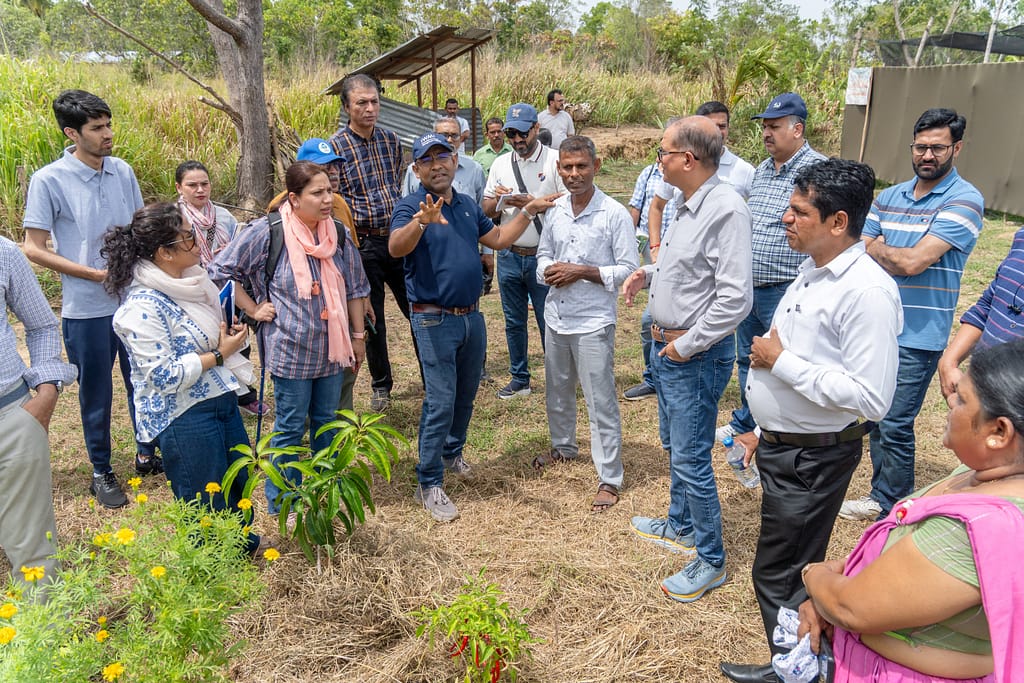
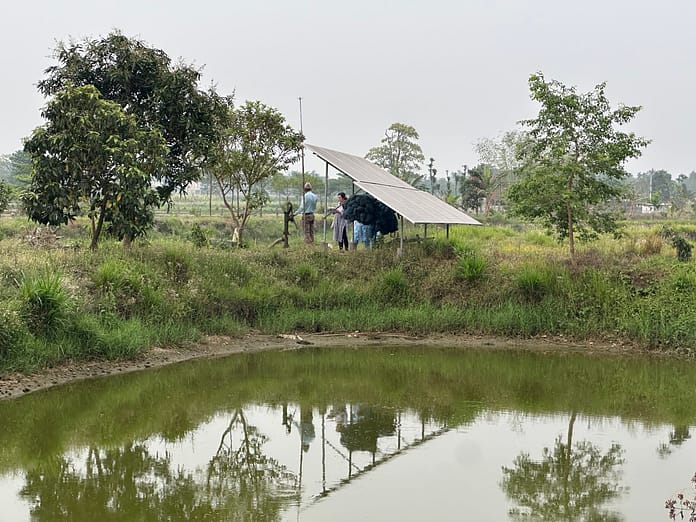
The capacity building program included a field visit to drought-prone areas in Sri Lanka’s Kurunegala District, where participants learned from community-based adaptation measures and locally-led resilience initiatives. Sessions covered remote sensing applications, seasonal forecasting, scientific triggers for early action and gender considerations in drought impacts and response.
“Drought is a critical issue for Pakistan, and past catastrophes have shown how much work remains,” said Mubushar Hussain, manager of Disaster Risk Reduction and Finance at the National Disaster Risk Management Fund. “This workshop gave us insight into actions that can be taken from the policy level to the community level, engaging farmers and others directly affected, and clarifying the roles different stakeholders can play in building resilience.”
By strengthening institutional capacity and fostering collaboration between federal and provincial stakeholders, the initiative aims to ensure Pakistan can better safeguard water and food security in the face of climate change-intensified drought patterns. The bilateral meeting and training program represent critical steps in building a comprehensive, data-driven drought management ecosystem aligned with Pakistan’s National Water Policy and Climate Change Policy frameworks.