
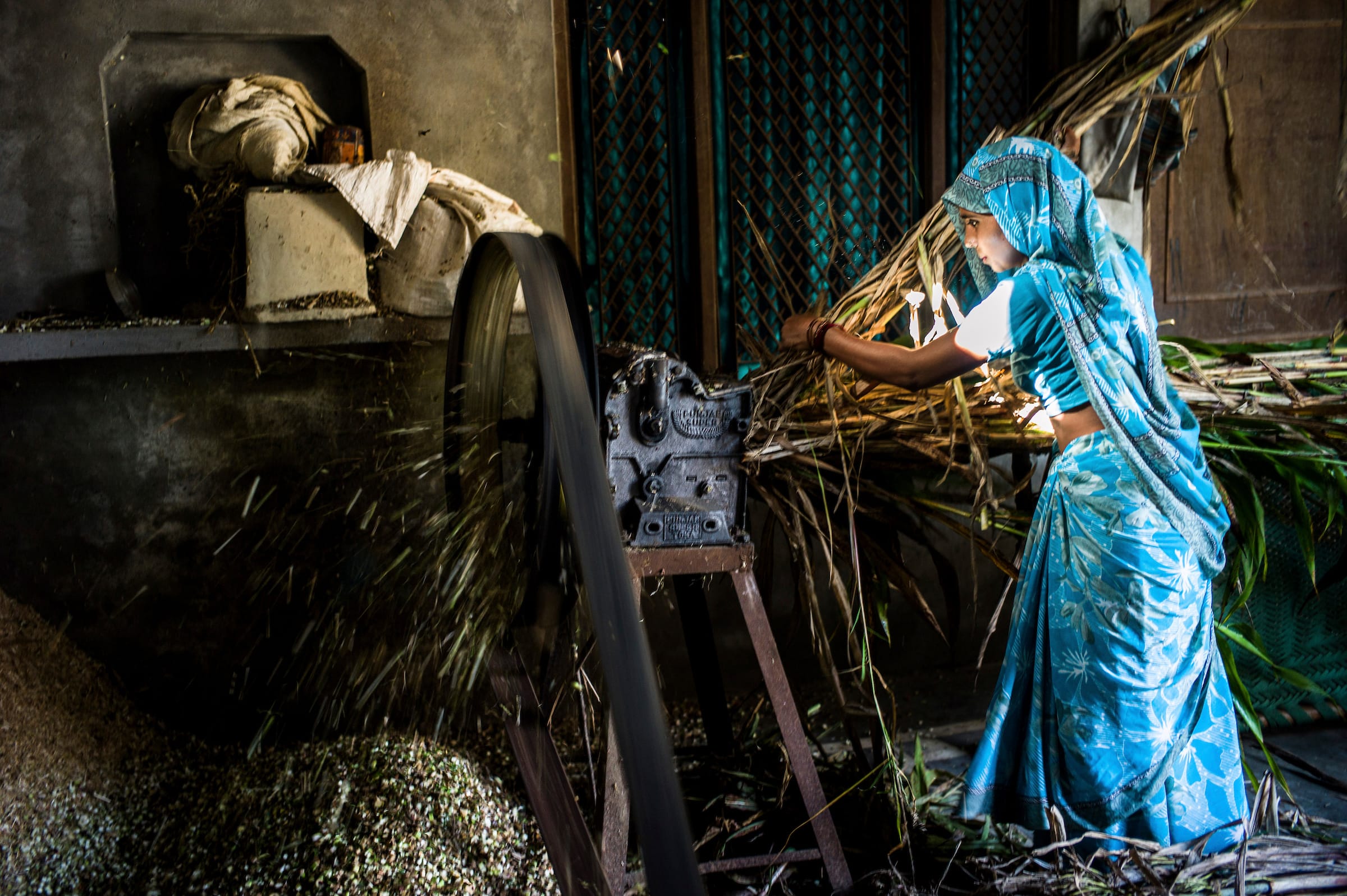
200 million hours. That’s how much time women and girls collectively spend fetching water annually — the equivalent of 100,000 people working full-time jobs for an entire year. If fetching water were an occupation, it would be one of the largest unpaid workforces in the world, staffed almost entirely by women. Yet instead of generating wages or building businesses, these hours vanish into a hidden economy of unpaid labor that sustains households while holding women back.
Every lost hour is an hour a girl cannot sit in a classroom, a woman cannot grow her farm, a mother cannot take part in decisions that shape her community or even claim the simple dignity of rest. Time spent hauling buckets is time taken away from food production, entrepreneurship and leadership. In rural economies, where agriculture is the backbone of food and income, women’s absence from the fields translates into reduced yields and entrenched poverty. Two hundred million hours is not just time wasted, it is stolen potential — stolen GDP, stolen innovations and stolen leadership.
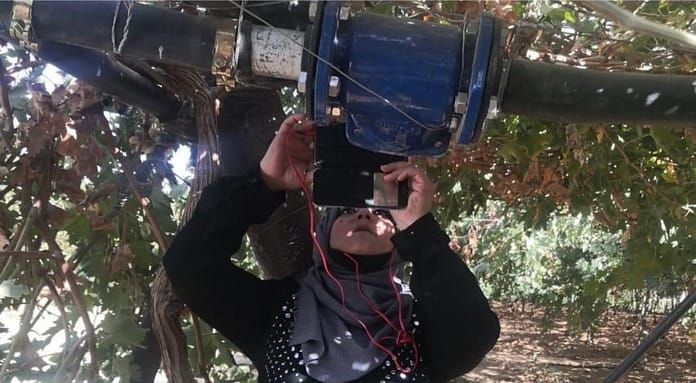
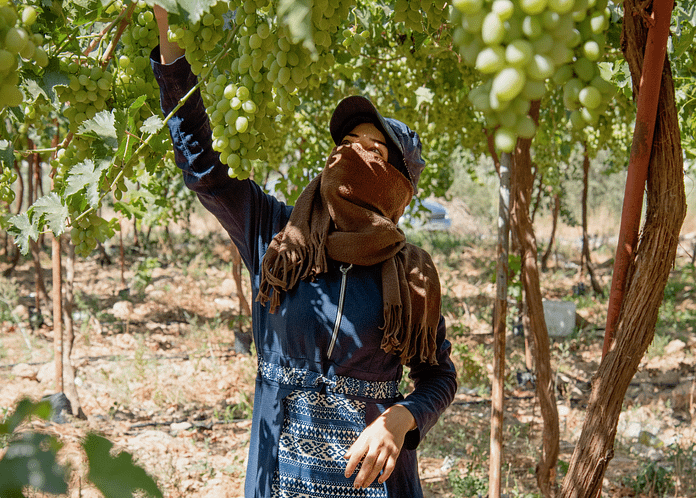
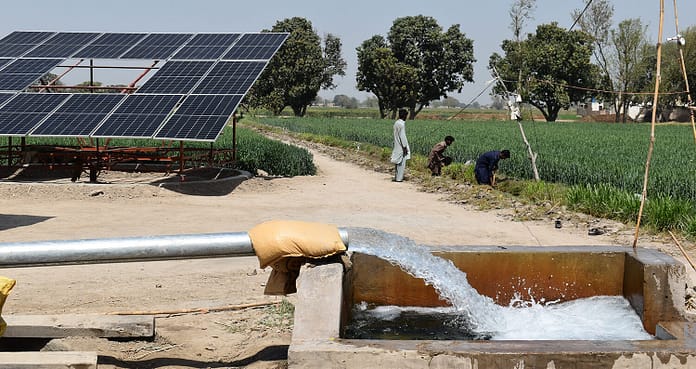
This toll is not inevitable. With the right investments, the hours spent carrying water could be converted into hours of cultivation, enterprise and leadership. Climate finance that prioritizes women’s access to productive water — used for irrigating crops, watering livestock and sustaining income-generating activities — is therefore key. When women gain reliable access to water, they do more than save time, they grow food, expand livelihoods and strengthen the resilience of entire communities.
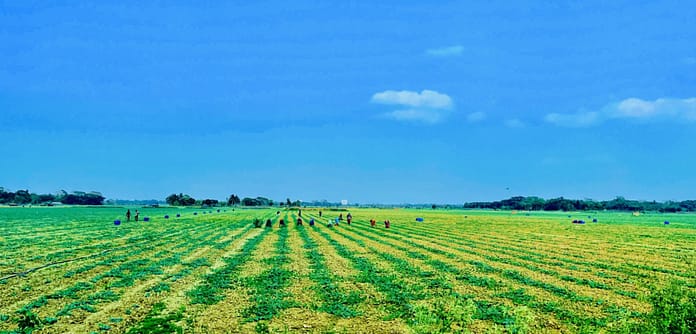
The return on investing in water is measurable and immediate. For every US$1 invested in water and sanitation, studies show a return of up to US$5 through higher productivity and lower health costs. Reliable irrigation can increase yields by up to 30%, improving household food security and incomes.
From a climate perspective, water access is not just about taps and pipes — it is about the capacity to withstand shocks. Secure access to water makes households less vulnerable to droughts, floods and other disruptions. Water is the backbone of resilience — the resource on which survival, stability and growth all depend.
Despite these benefits, women’s access to water for productive purposes remains limited. The reason is structural. They are excluded from local water decision-making processes, denied land ownership and constrained by norms that define their roles narrowly as caregivers. In South Africa, only 13% of women working in agriculture have sole ownership of the land they farm. Women also make up nearly half of the agricultural workforce in developing countries and typically farm smaller plots, have less access to credit and irrigation and receive only about 5% of agricultural extension services.
When droughts or floods strike, women are left to shoulder heavier domestic water burdens, and as their rain-fed crops fail, many are forced into insecure, low-paid off-farm work. Men are also affected by climate stress, but with greater access to land, finance and migration opportunities, they have more adaptive options.
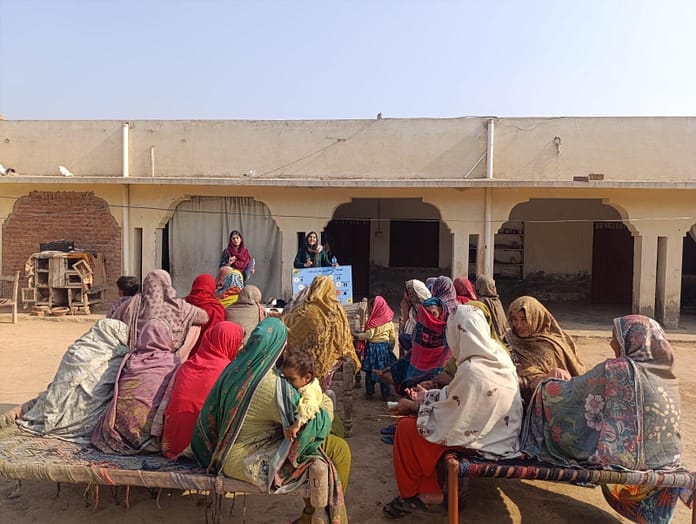
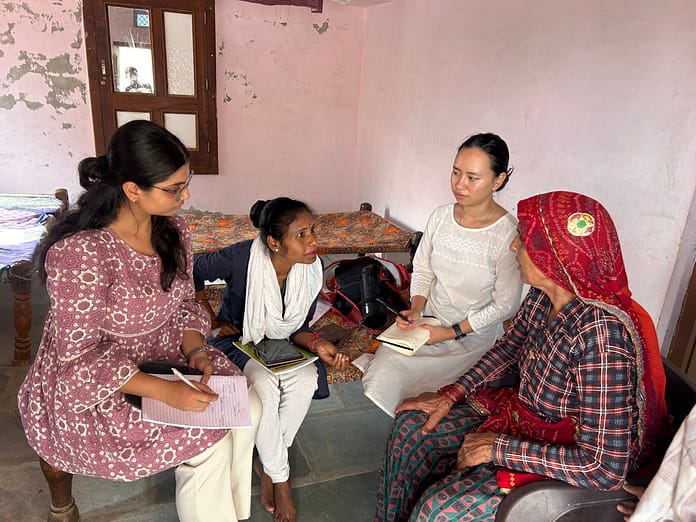
CGIAR initiatives led by the International Water Management Institute (IWMI) show that when women have equal access to and control over water resources, they change what gets prioritized and how investments are designed — shifting the focus towards equity, sustainability and climate resilience. The JEEViKA initiative in Bihar, India for example has mobilized over 12 million rural women with access to financial services. These women are now championing water efficient technologies which has resulted in greater adoption of climate-smart practices and diversified opportunities for women.
Such achievements are proof that water security itself will fail if half the world’s population remains excluded from water decision-making processes. Currently, almost 14% of countries still have limited or no gender mainstreaming mechanisms in water management. This means that billions in climate and water infrastructure finance flow without gender metrics and accountability — an expensive missed opportunity.
Cape Town’s 2018 water crisis exposed more than the fragility of urban supply. It revealed the inequalities baked into water systems. Women disproportionately bore the health and hygiene burdens of scarcity, particularly during menstruation. Across the world, water governance that sidelines women reproduces the same patterns of deprivation and exclusion established under colonial systems — top-down control, local disempowerment and invisible labor borne by women. True resilience requires dismantling these legacies, not replicating them.
How, then, can climate finance embed productive water for women?
Track the money. Governments must require climate finance to measure and report how projects benefit women and girls.
Back women-led water enterprises. Dedicated credit lines, backed by blended finance tools that reduce risk, will help women scale solutions.
Fix subsidies. Agricultural subsidies should be redesigned to reach women farmers equitably, giving them real access to land, inputs and irrigation.
Tie finance to governance. Access to water or climate funds should require gender-equal participation in water user associations and irrigation boards.
These are not ‘nice-to-have’ add-ons. They are essential if climate finance is to deliver real resilience.
The water crisis is not gender neutral.
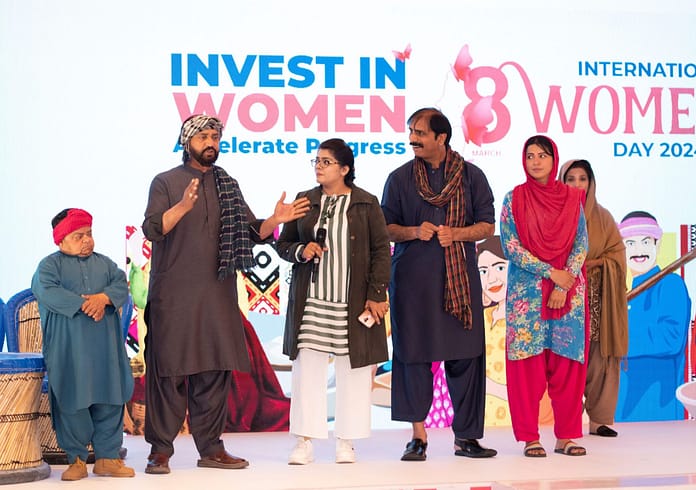
Transforming water systems require scalable solutions that advance women’s leadership and economic empowerment. When water governance puts inclusion and equity at the center of climate action, it will reduce women’s burden of unpaid care work and increase education and economic opportunities. But this will only happen when women have real control over resources and decision-making.
If 200 million hours can be stolen from women every year, imagine what could be built if those hours were returned. That is the promise of climate finance: not charity, but unleashing the time, skills and leadership of half the world’s workforce. It’s time to give women back their hours — and with them, the power to earn, to lead and to adapt.