

News
Latest news
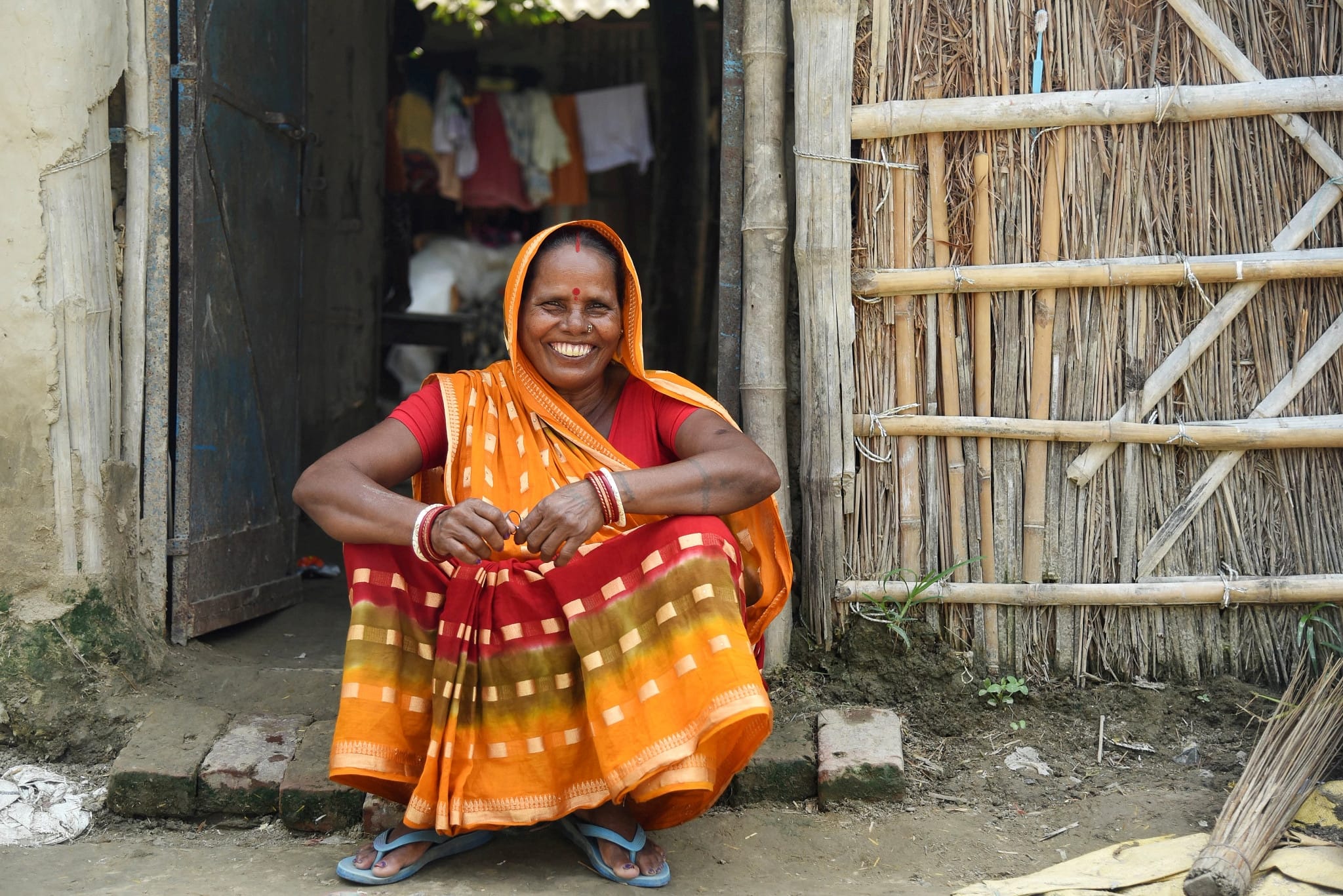
Why science communication is essential for climate justice
Climate science and adaptation strategies can only make an impact when people are able to understand and act upon them.
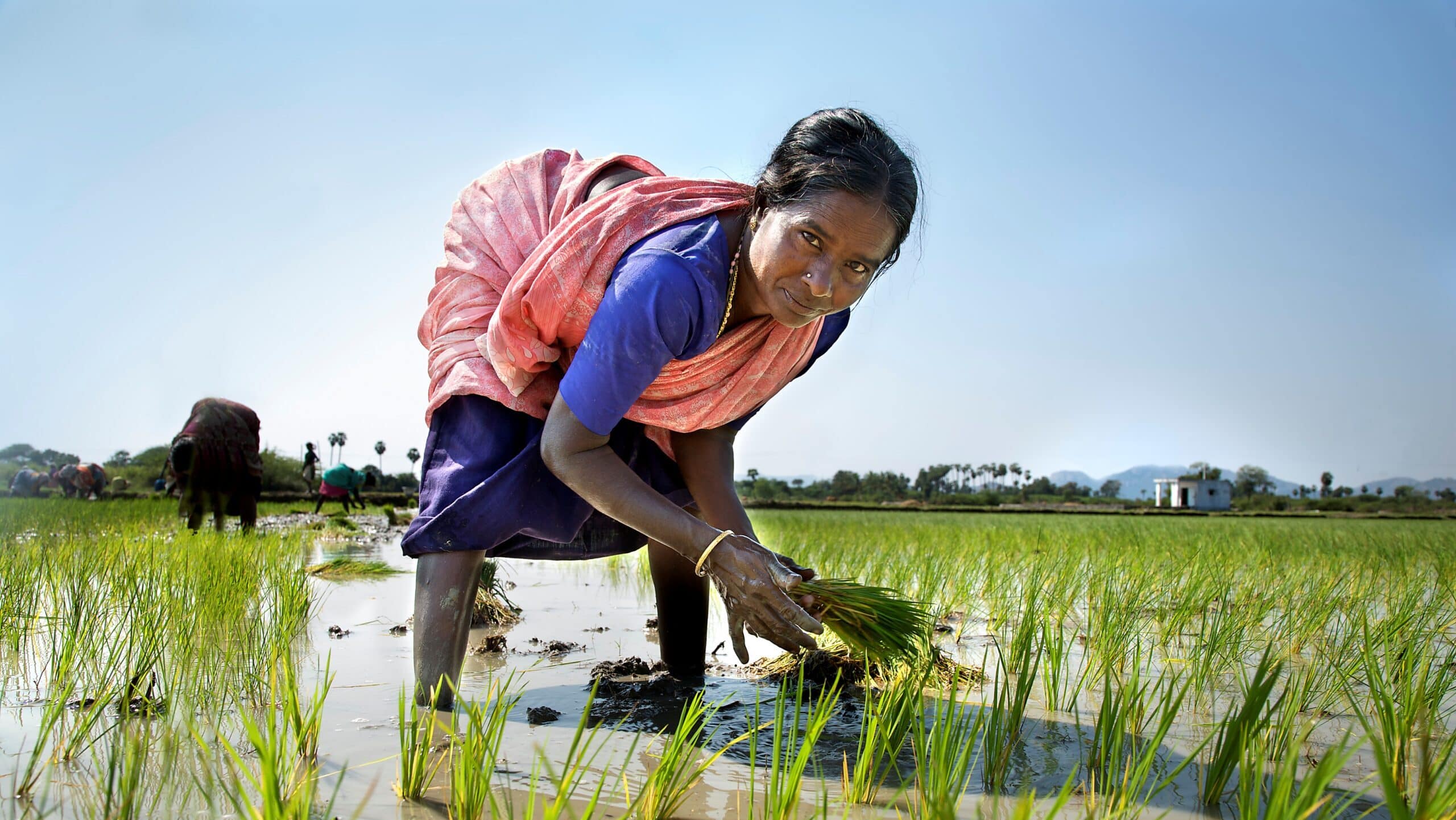
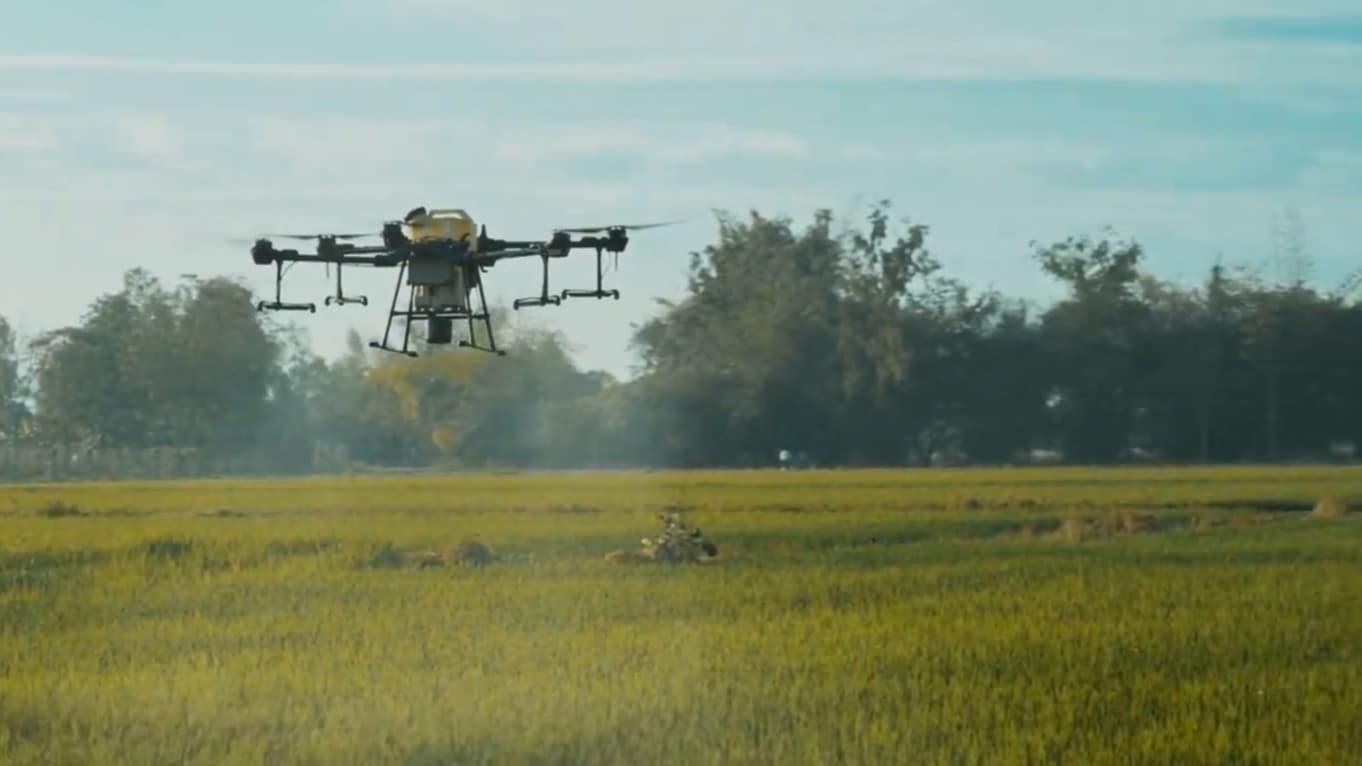
Explainer: Alternate Wetting and Drying irrigation technique
A water-saving approach for sustainable rice production.
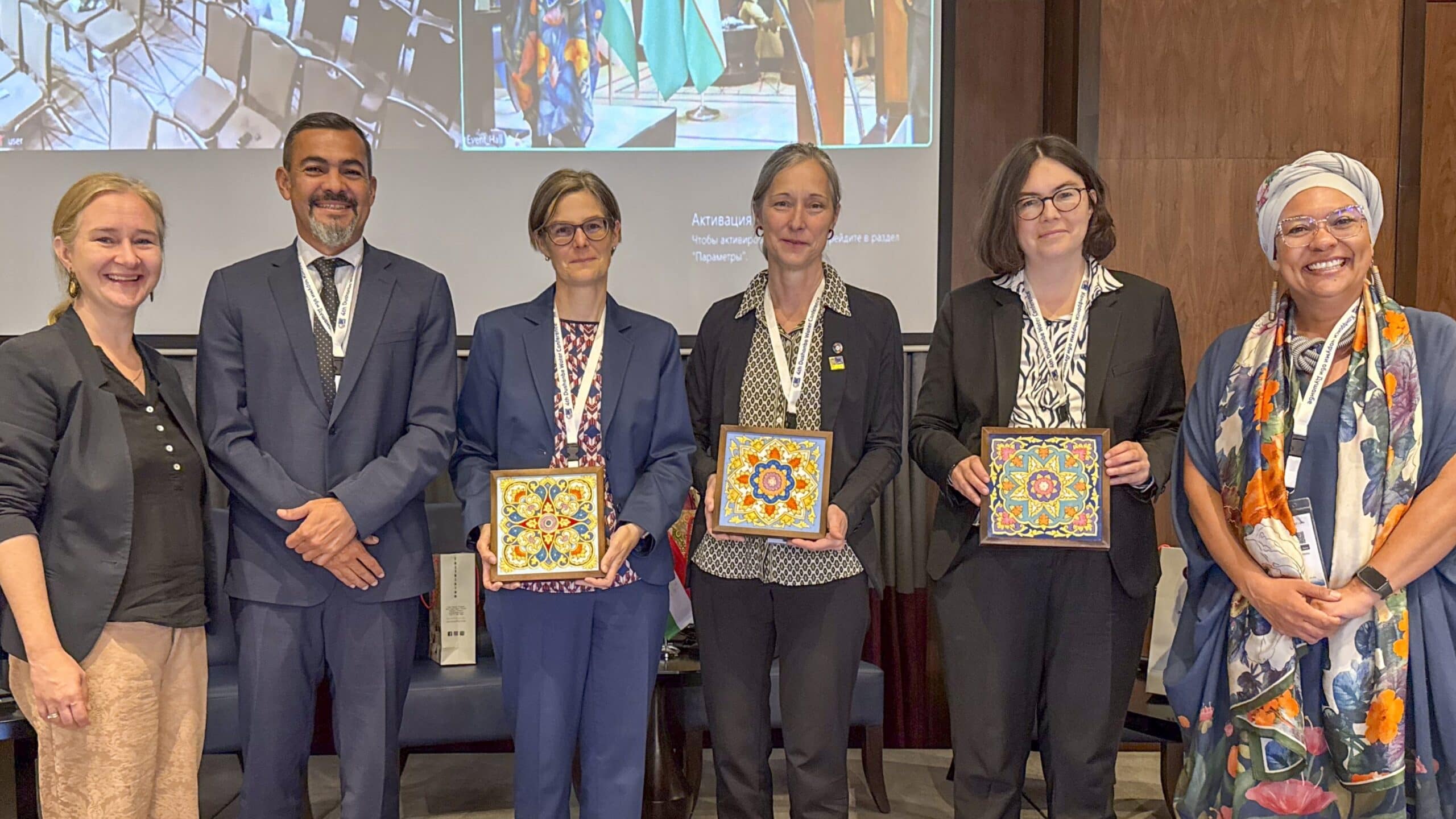
IWMI launches Water Governance Accelerator to support countries manage water resources
The technical advisory service for governments, river basin organizations and regional bodies helps turn water governance challenges into solutions for water security.

Blogs
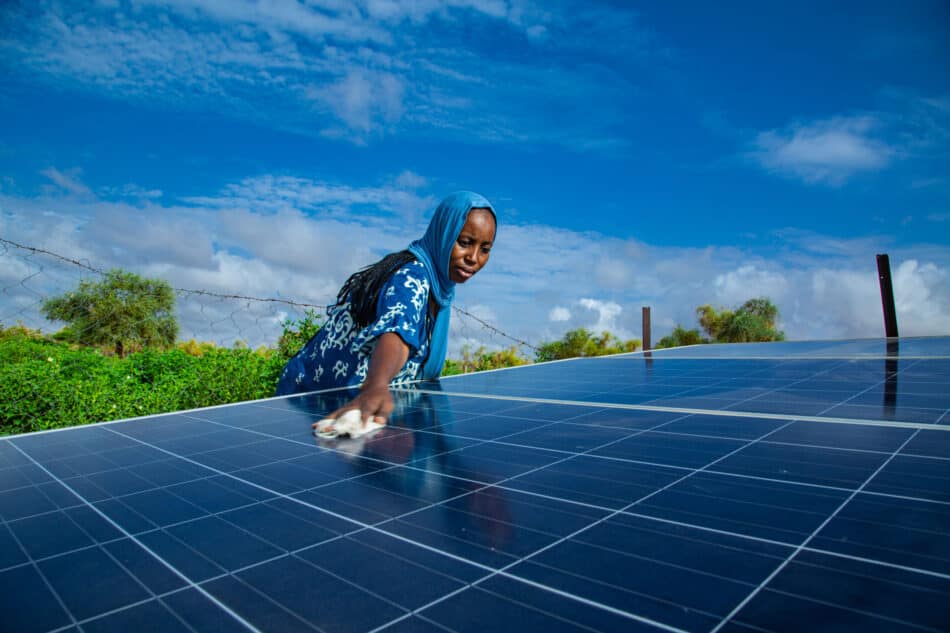
Africa’s power plants are set for expansion by 2030, with renewables’ share growing from 19% to 34%
An IWMI open-access spatial inventory maps current and future power plants across Africa and projects energy, water and carbon implications.
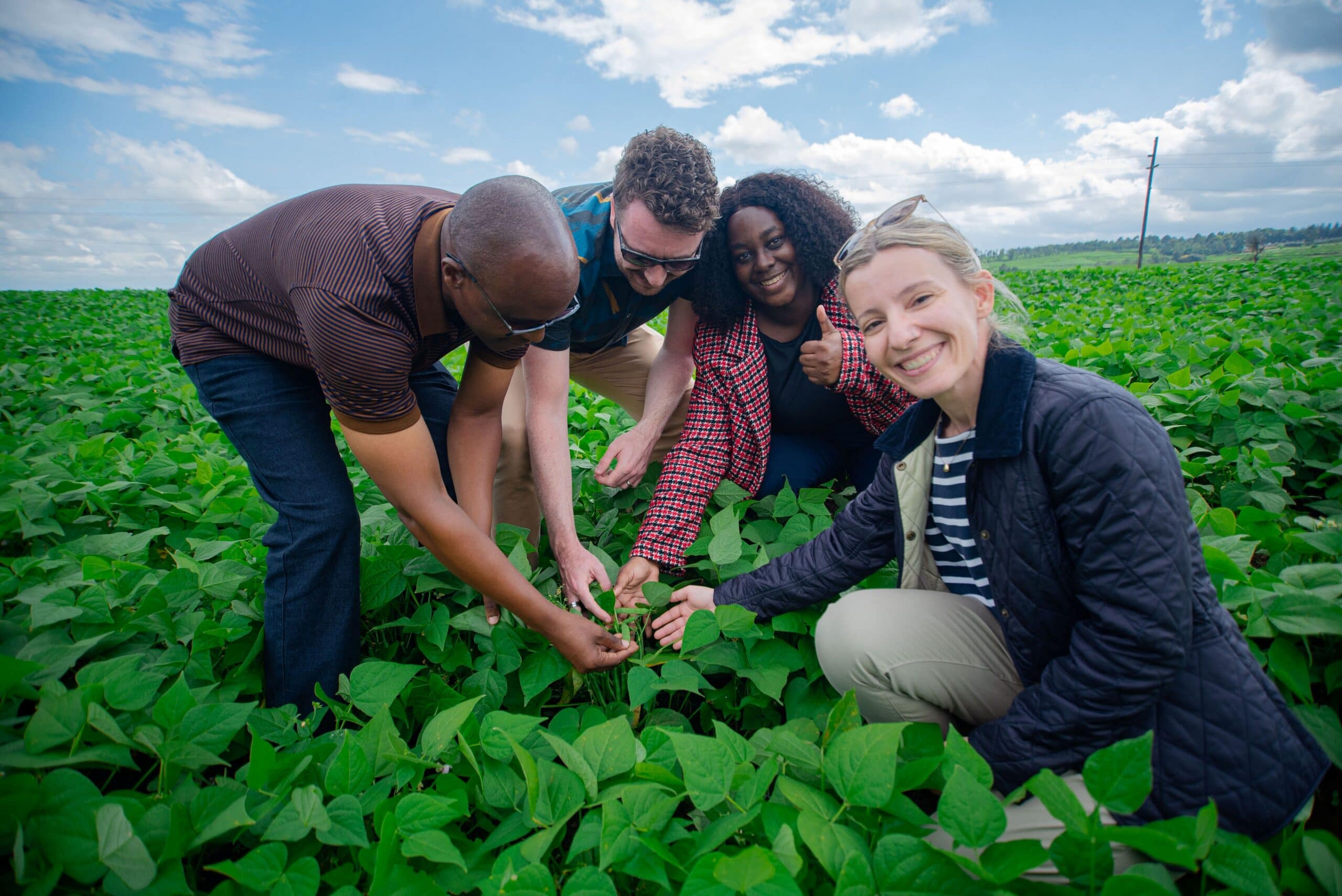
Seeds for a resilient future
Tanzania approves landmark seed sector development strategy.

Three tools, one river basin and a question every digital project should ask
IWMI applies an equitability framework to ask whether three digital tools in the Limpopo River Basin serve all users, and what it takes to close the gap.
Media releases
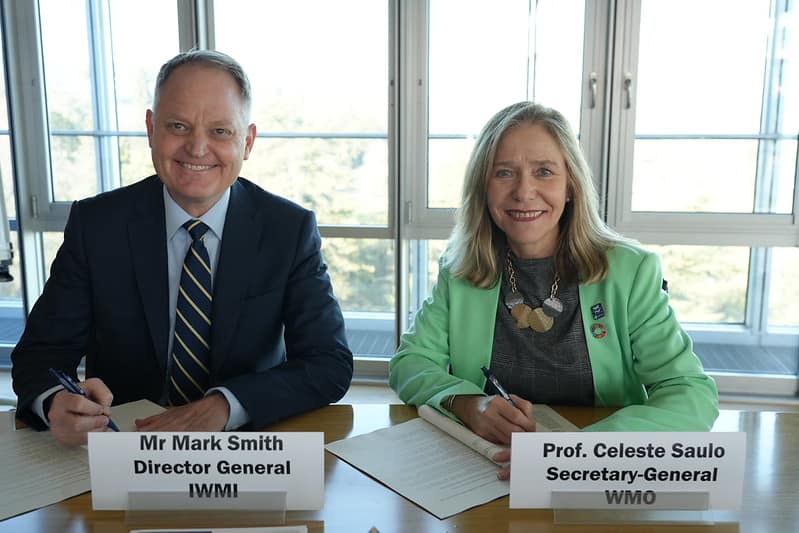
IWMI and World Meteorological Organization partner to strengthen climate resilience through data, innovation and early action
The partnership will integrate climate data with water management solutions to help vulnerable communities in Africa and Asia anticipate and respond to extreme weather events.
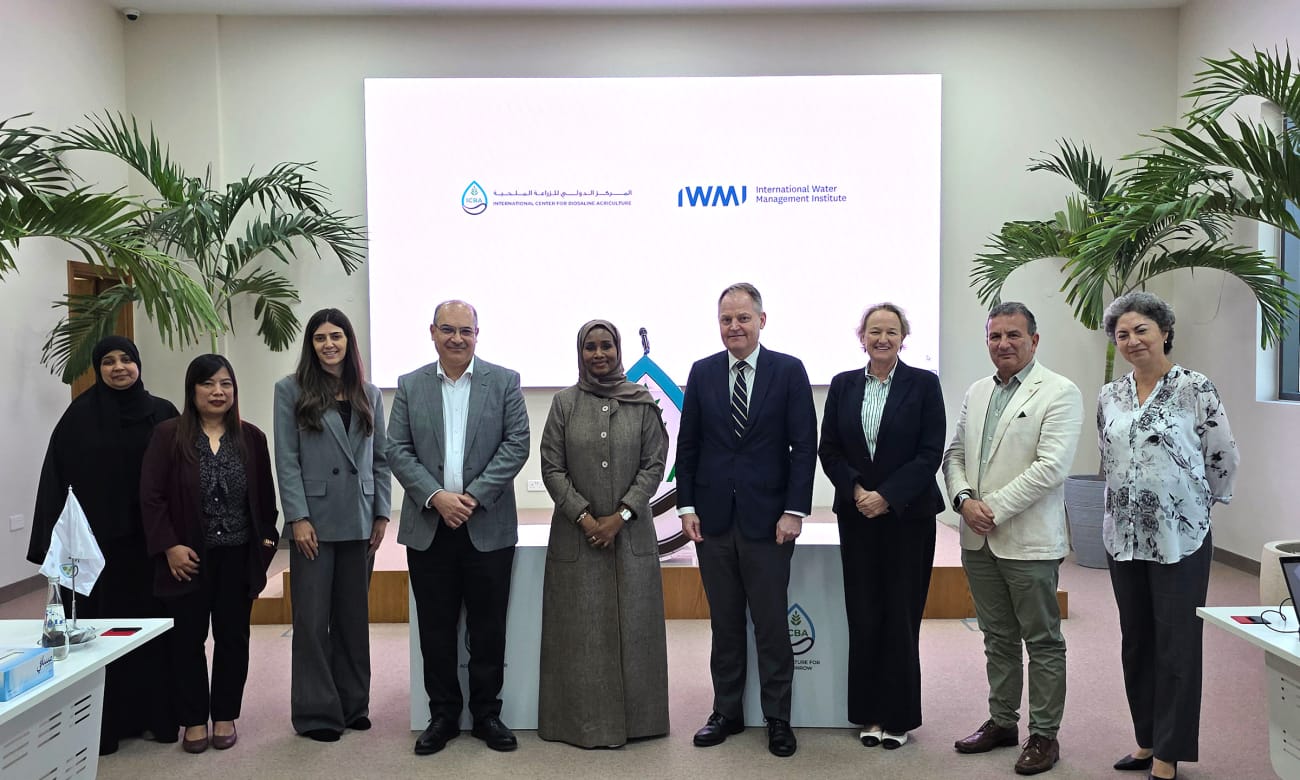
ICBA and IWMI to strengthen global collaboration on water security and climate-resilient agriculture
Strategic agreement establishes joint framework for scientific exchange, digital water innovation and climate resilience programs in vulnerable regions.
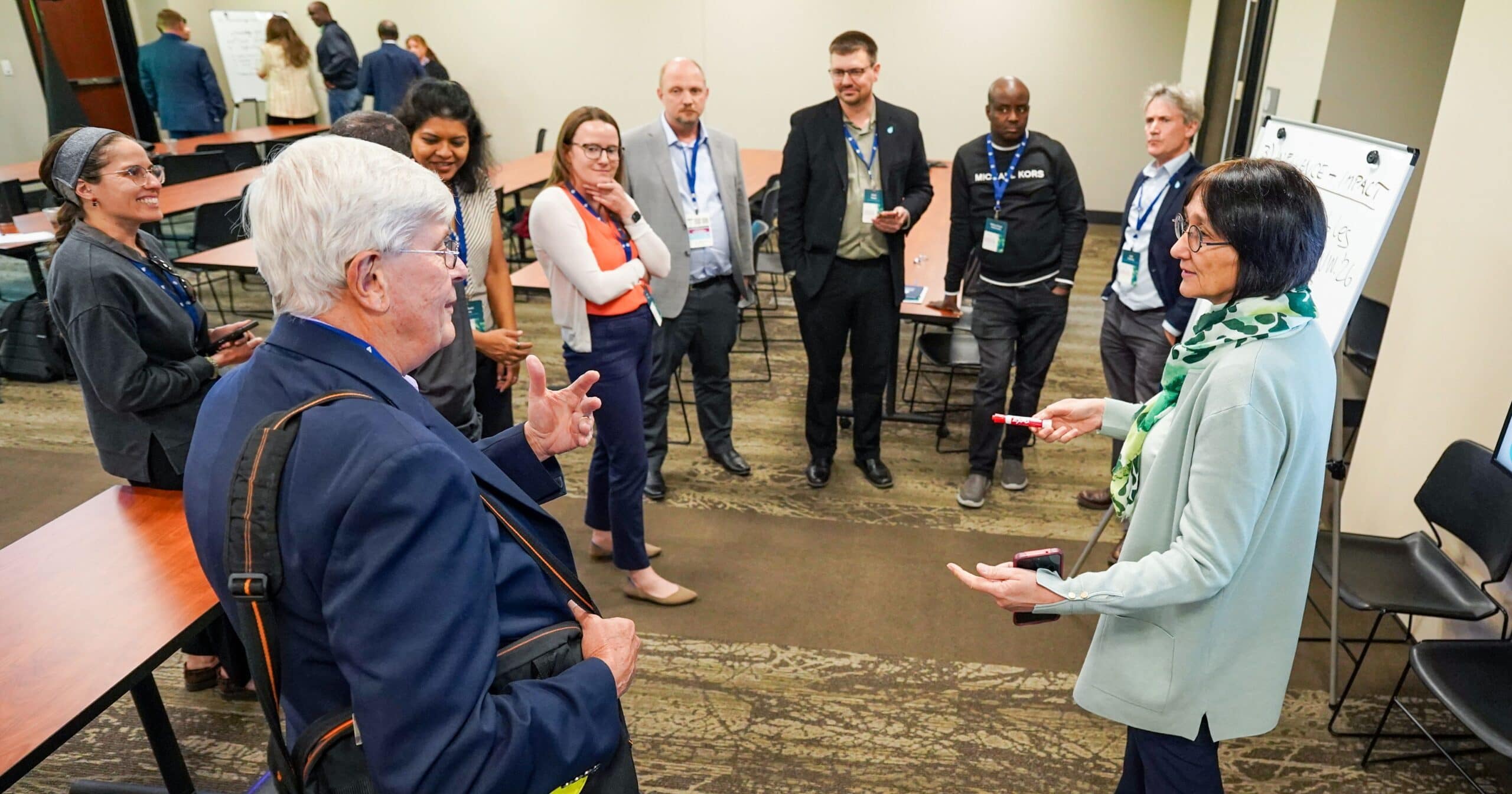
IWMI and DWFI partner on Cambridge Sustainability Commission on Water for Food Futures
The new partnership aims to advance innovative approaches and policies to ensure a more secure future for global water and food systems.
In the media

Limited efforts to expand solar power use in agriculture
IWMI’s Jayanta Bhattacharya highlights how pairing solar irrigation with Alternate Wetting and Drying techniques will help incentivize water conservation, reduce methane emissions and secure long-term food and water security in Bangladesh.

Ethiopian communities are using low‑cost methods to restore eroded land
IWMI’s Wolde Mekuria shares insights on how exclosures can reduce soil erosion and restore vegetation cover.
Why Africa’s irrigation potential isn’t scaling and what donors are missing
In the current climate of development finance, quick-win solutions are often favoured. Using small-scale irrigation as an example, IWMI’s Thai Thi Minh explains why this is the wrong approach.
Videos
What is your future fit irrigation system?
Emerging leaders from across the Global South outline how irrigation can be redesigned to be more resilient, inclusive and sustainable.
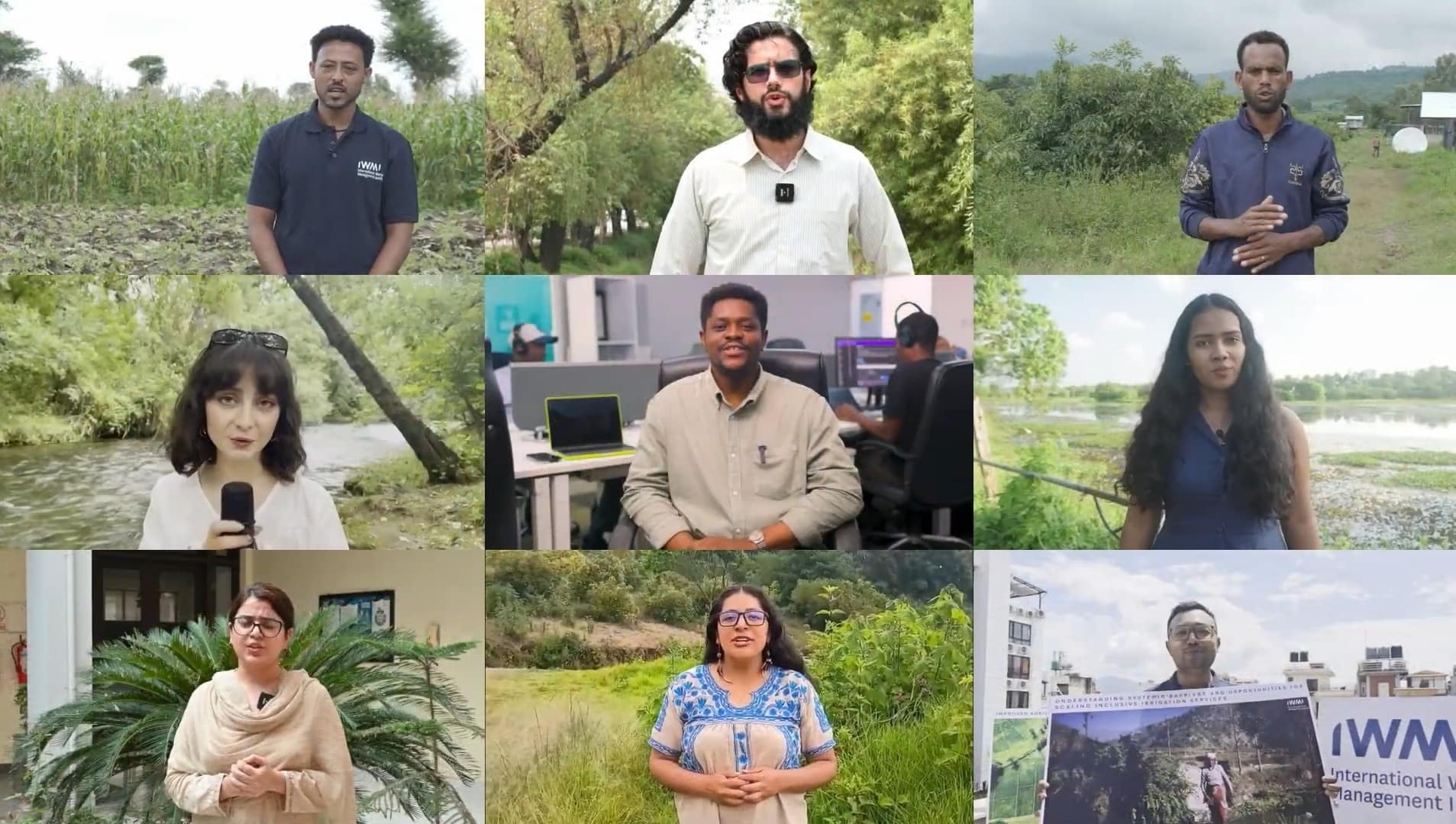
How can irrigation systems adapt and evolve in times of deep uncertainty?
Young professionals across the Global South share the breakthrough innovations they believe can transform irrigation systems under growing climate and water stress.
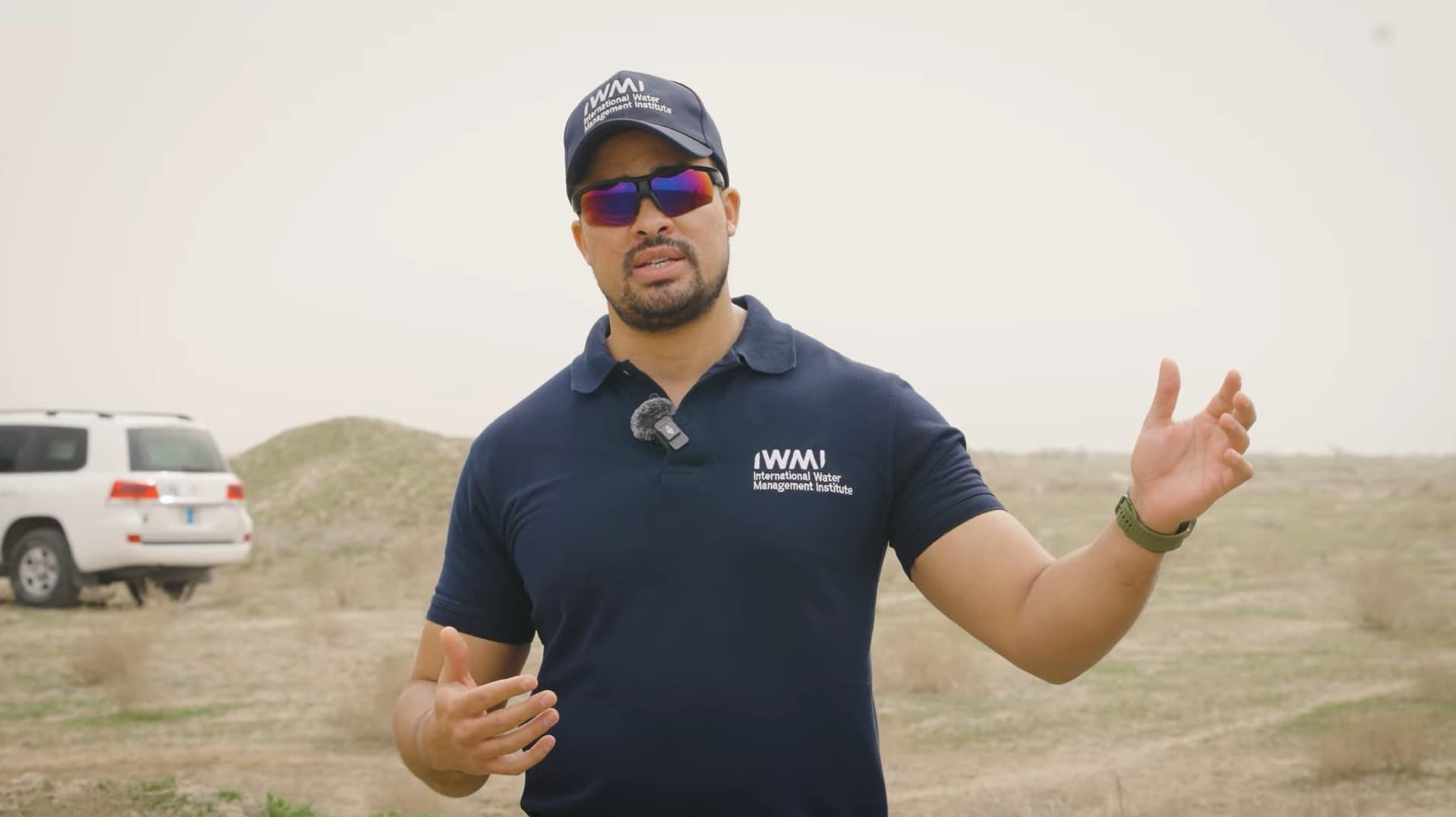
From dust to resilience in Iraq’s Dhi Qar through nature-based solutions
IWMI’s Wiqaya project combines science, field action and community knowledge to implement nature-based water solutions that reduce sand and dust storm risks in Iraq.