

Uzbekistan
Uzbekistan is a landlocked country with a predominantly arid climate. Agriculture is a key sector, with cotton and grain being the primary crops, but the country faces significant water scarcity due to inefficient water management and the over-extraction of water from its main river systems, such as the Amu Darya. The Aral Sea disaster, caused by the diversion of rivers for irrigation, has had long-lasting environmental and economic consequences.
Water use in the country is highly dependent on irrigation, and the agricultural sector accounts for about 90% of total water consumption. As Uzbekistan strives for sustainable development, effective water management is critical for maintaining food security, economic stability, and environmental health.
IWMI in Uzbekistan
IWMI focuses on improving water resource management and sustainability, particularly in transboundary river basins such as the Amu Darya. Focal projects involves assessing water and land resources in the small transboundary tributaries of the Amu Darya River Basin, providing critical insights into water distribution and usage patterns across national borders.
IWMI researchers also analyze water, energy, and carbon emissions in lift-irrigated areas, such as the Karshi Steppe, to develop more sustainable practices that reduce the environmental impact of irrigation. Additionally, IWMI’s work integrates open-source datasets to assess the complex water-food-energy-climate nexus in Central Asia, offering innovative solutions for regional cooperation and sustainable resource management. Through the Water Efficient Allocation in a Central Asian Transboundary River Basin (WE-ACT) project, IWMI promotes more equitable and efficient water allocation strategies, supporting long-term environmental and economic resilience in Uzbekistan and neighboring countries.
Country representative


Latest Uzbekistan news

Water saving and digital monitoring, Uzbekistan is on the right path
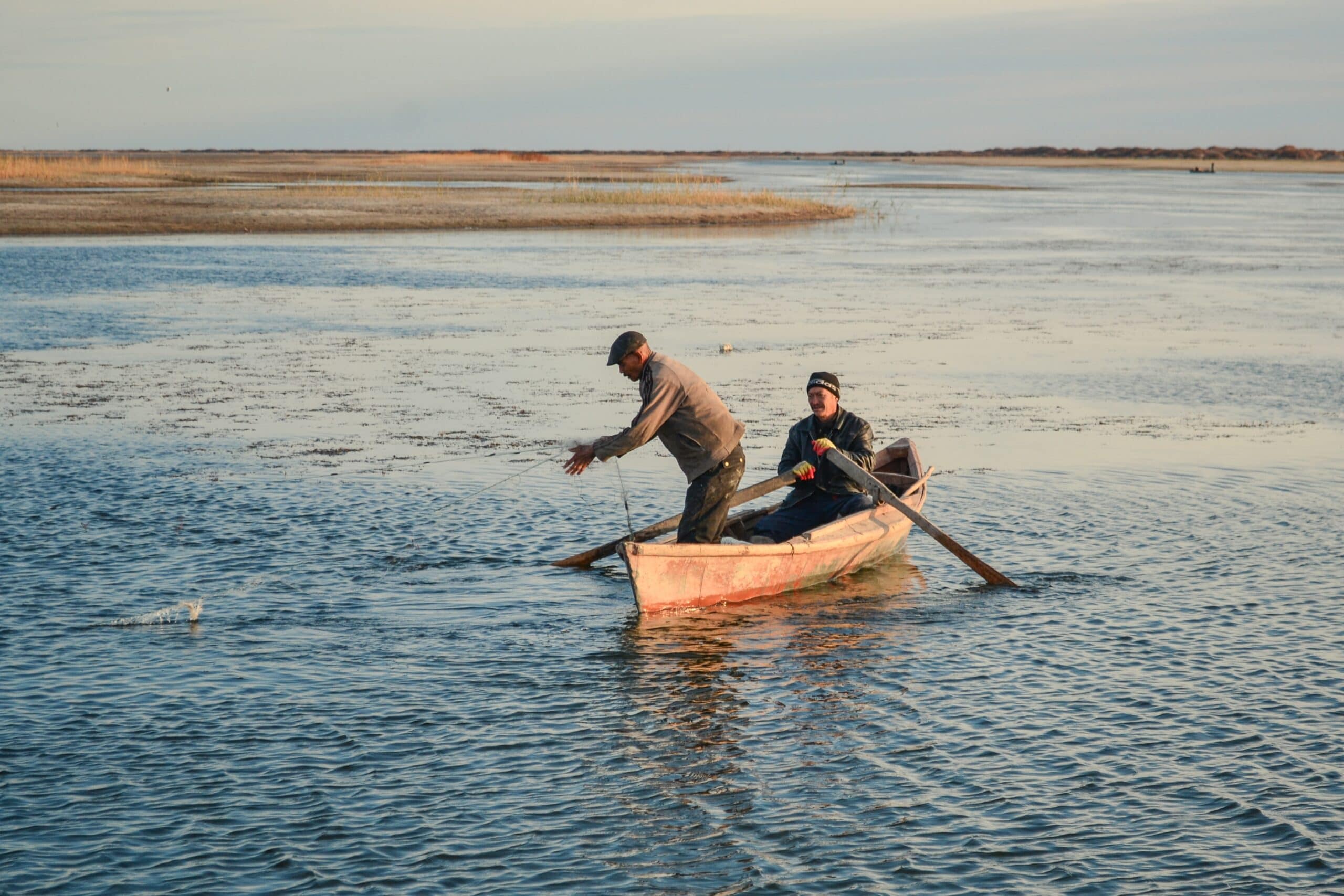
The growing importance of hydro-diplomacy in delivering cross-border water solutions
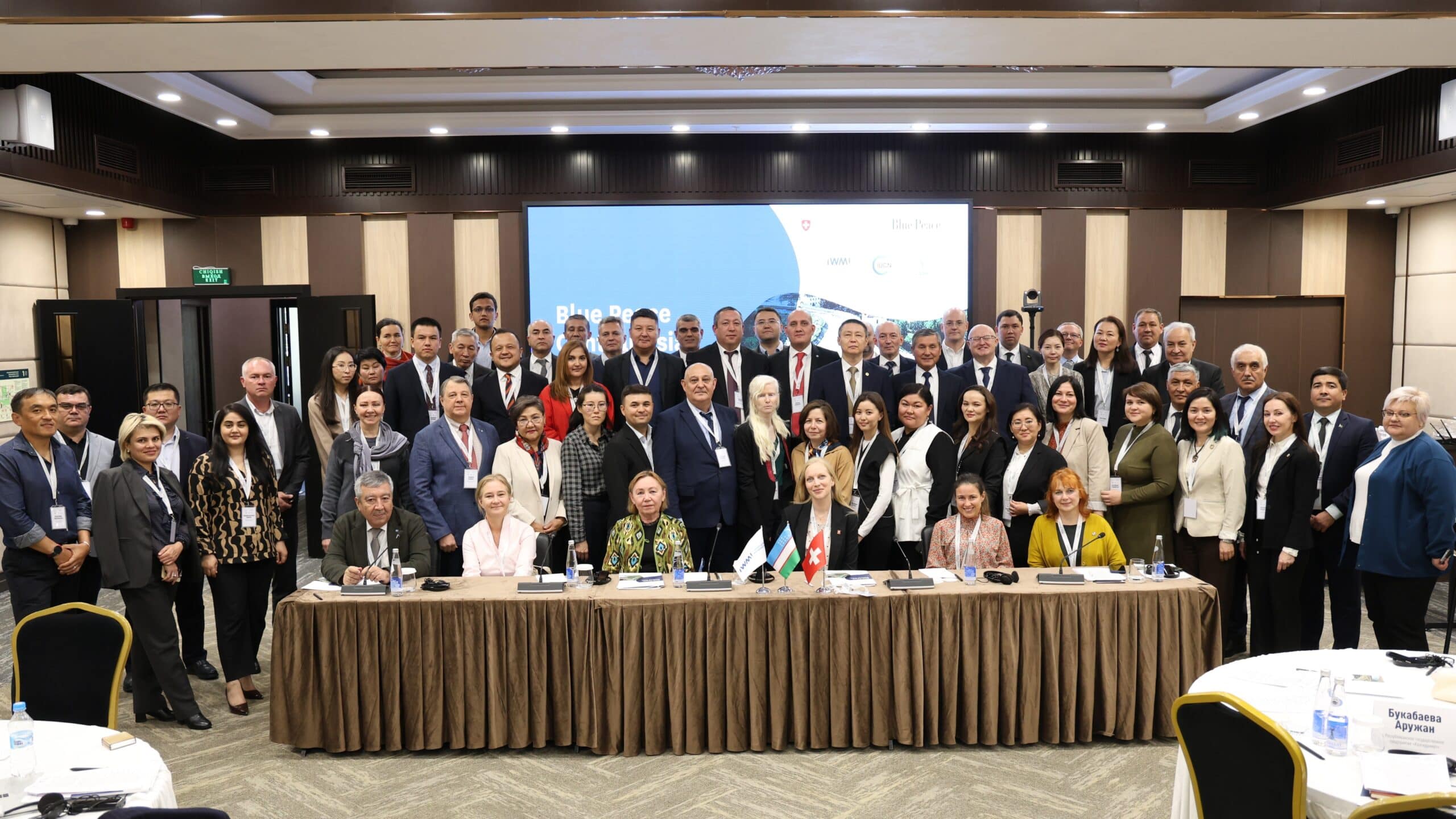
Shared rivers strengthen regional ties in Central Asia
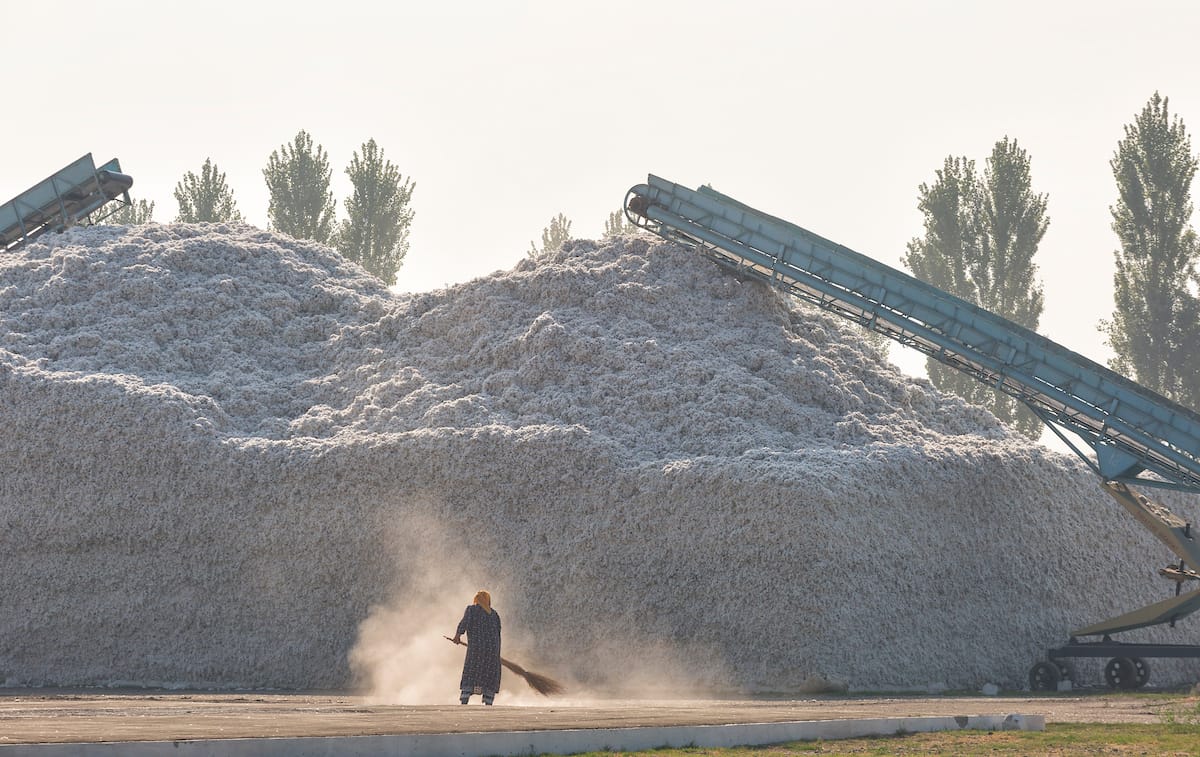
September-October 2025 Research Journal Roundup
Latest Uzbekistan publications
Chapter 9 – Evaluation of drip and conventional surface irrigation in the poorly drained, naturally irrigated lands of the Khorezm region: lessons from Central Asia

Impact of climate change on the inflow of Charvak Lake by three rivers (Pskem, Koksu, Chatkal), Uzbekistan, during the post-soviet period (1990-2022) modelled by QSWAT+

Small transboundary tributaries of Ferghana Valley, Central Asia: searching for constructive pathways toward cooperation