

Senegal
Senegal is a country of diverse landscapes and water resources, from the Senegal River basin to Lake de Guiers and the Casamance estuary. However, recurring droughts, climate variability and increasing demand from agriculture and growing urban centers place significant pressure on water availability and quality. Agriculture accounts for 93% of total surface water demand in Senegal, which is strained during periods of low rainfall. Groundwater is key to meeting domestic and industrial demands, but faces pollution, saltwater intrusion and overuse. Limited wastewater treatment services mean that industrial and human contaminants cause substantial health risks, with high levels of water-borne diseases.
Climate change adds another layer of challenges to water management. Drought and flooding are already impacting the people and economy of Senegal and are expected to increase in intensity and frequency. Coastal erosion from rising seas, combined with the deforestation of mangroves, leaves the coastline vulnerable. Increased governmental coordination, infrastructure investment and transboundary collaboration is needed to sustainably manage Senegal’s water resources.
IWMI in Senegal
IWMI has partnered with the Senegalese government on a Climate Smart Governance Dashboard, helping decision-makers plan and invest in climate adaptation. IWMI and Senegal also collaborated on AWARE, IWMI’s anticipatory action framework designed to help ;government agencies, humanitarian organizations and donors manage climate shocks with early warning, early action and early financing. IWMI researchers have also used satellite information to develop seasonal crop yield predictions in Senegal, a key component for early warning systems. IWMI continues to operate as a crucial partner for the African Union’s Comprehensive Africa Agriculture Development Programme, a continental effort to innovate and transform agri-food systems.
Country representative

Latest Senegal news
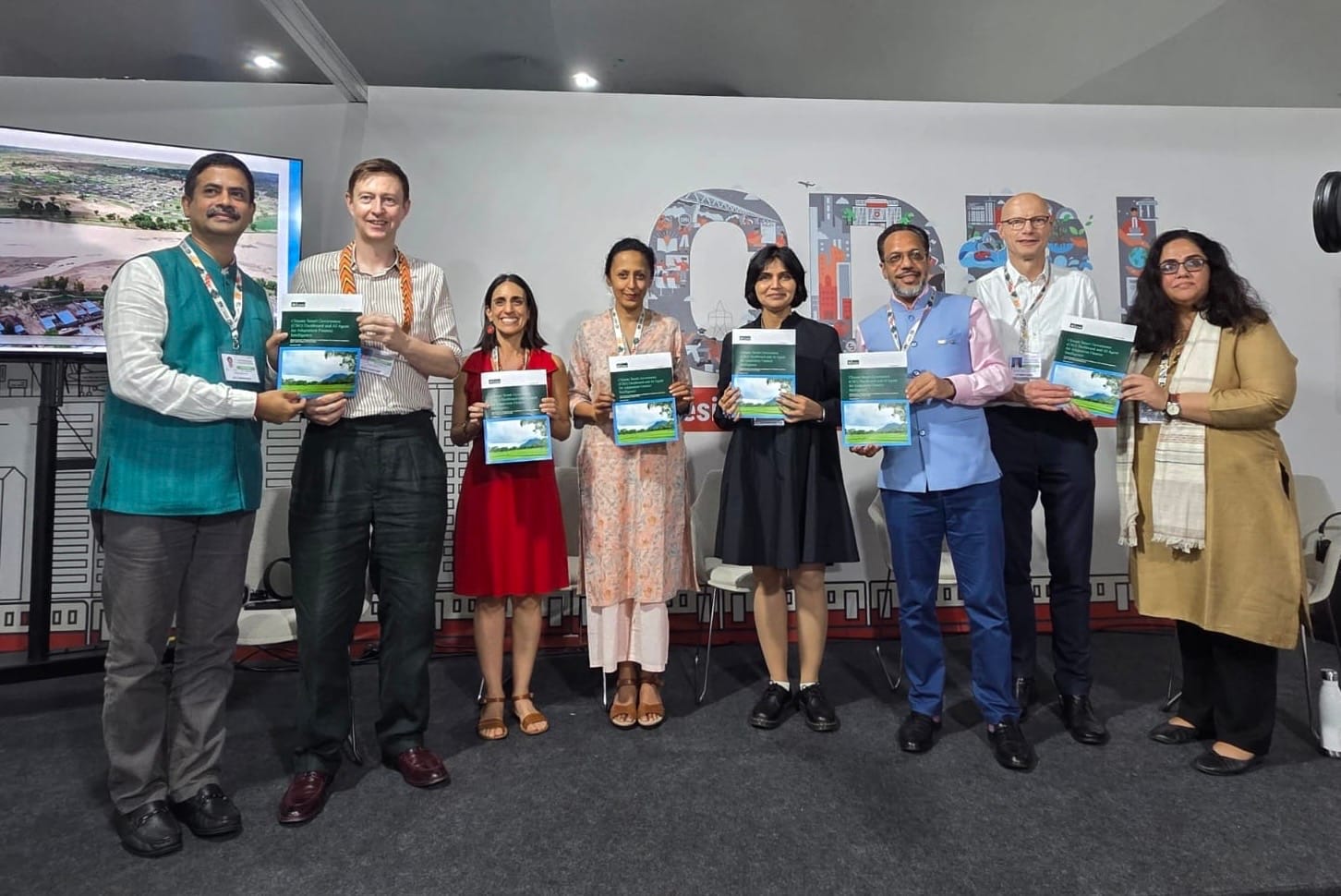
IWMI introduces AI tool for climate-smart planning and investments
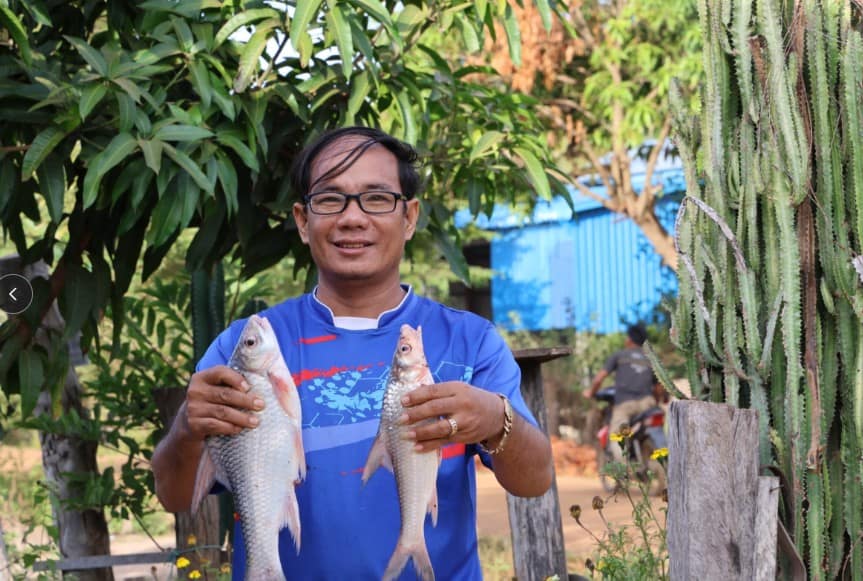
January-February 2025 Research Journal Roundup

November-December 2024 Research Journal Roundup
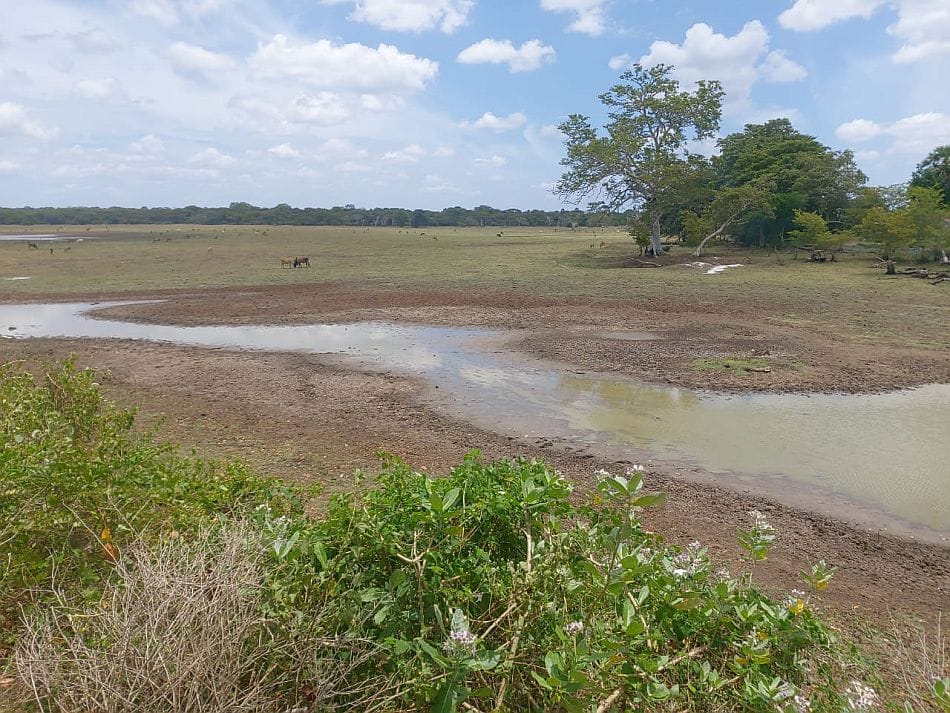
It’s raining in Colombo — but don’t forget the drought in the rest of Sri Lanka

Latest Senegal publications
AWARE and the Sendai Framework: operationalizing proactive disaster risk reduction through anticipatory action

The Water-Energy-Food-Ecosystem Nexus approach to water infrastructure in Africa: integrated planning, climate resilience, and inclusive growth
Evaluating malaria risk projection under climate change scenarios in Senegal