

Migration
Migration is increasingly shaped by how water, agriculture and rural development policies intersect with climate stress and economic change. At IWMI migration is understood not as a failure of development, but as a structural feature of rural transformation and adaptation. It is most people’s lived reality in one form or another.
IWMI has been playing a leading policy role in shaping migration research over the past 10 years. For example, the AGRUMIG project examined links between agriculture, environmental change and migration, and IWMI led the development of policy-relevant insights for governments and development partners across seven countries in Africa and Asia. This work demonstrated that migration is rarely driven by water scarcity alone. Instead, outcomes depend on policy coherence across water management, agricultural investment, labor markets and social protection. IWMI supported policy dialogue that moved beyond simplistic “push-factor” narratives, highlighting where misaligned policies can intensify distress migration — and where improved migration governance can enable mobility to contribute positively to resilience and rural livelihoods.
By embedding migration within water-food-climate systems analyses, IWMI continues to support more coherent, equitable, forward-looking migration and development policy globally, regionally and nationally.
Contacts


Latest news on this topic

Editor’s picks: A year in water stories – 2025
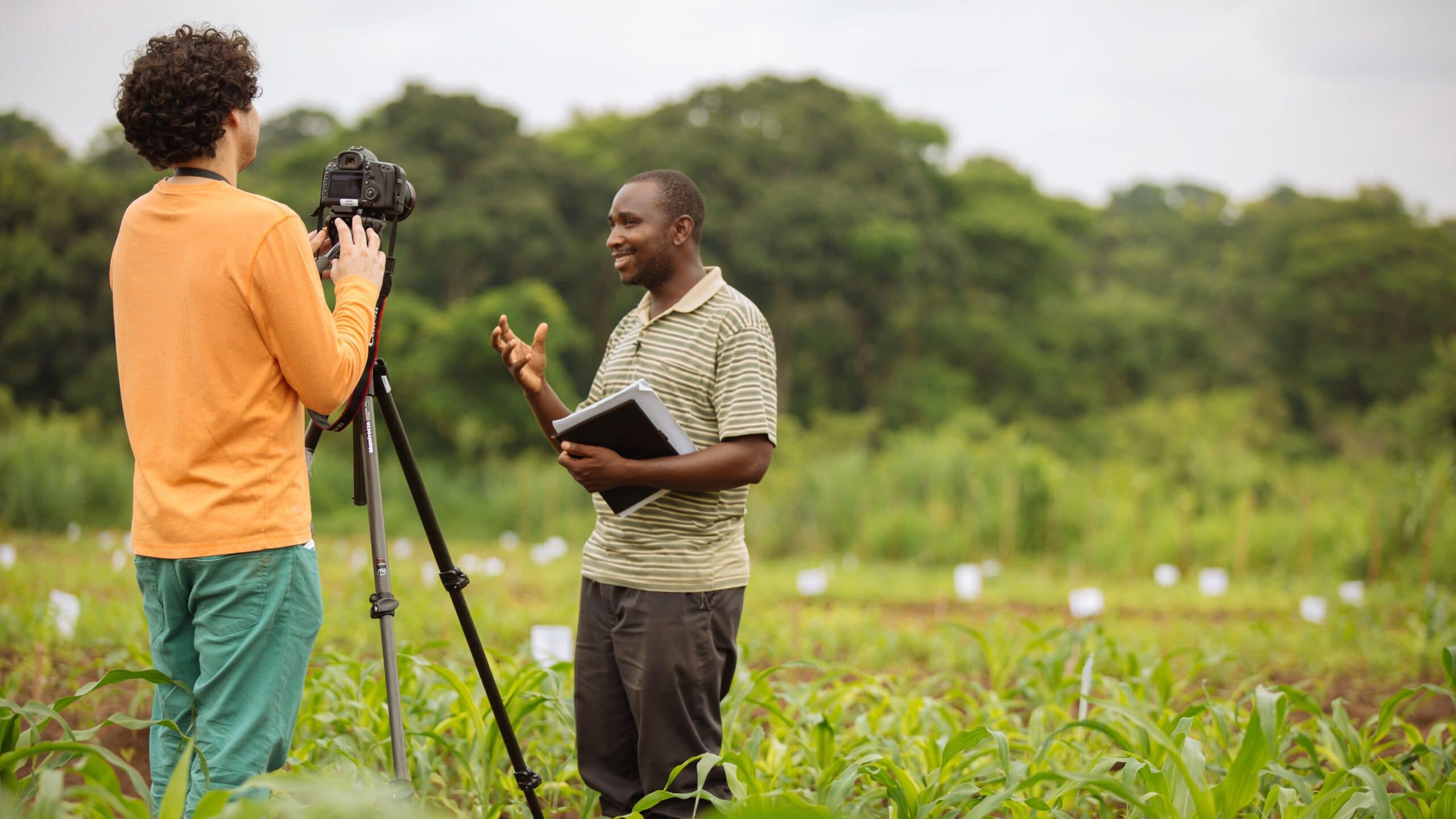
Editor’s picks: A year in water videos – 2025
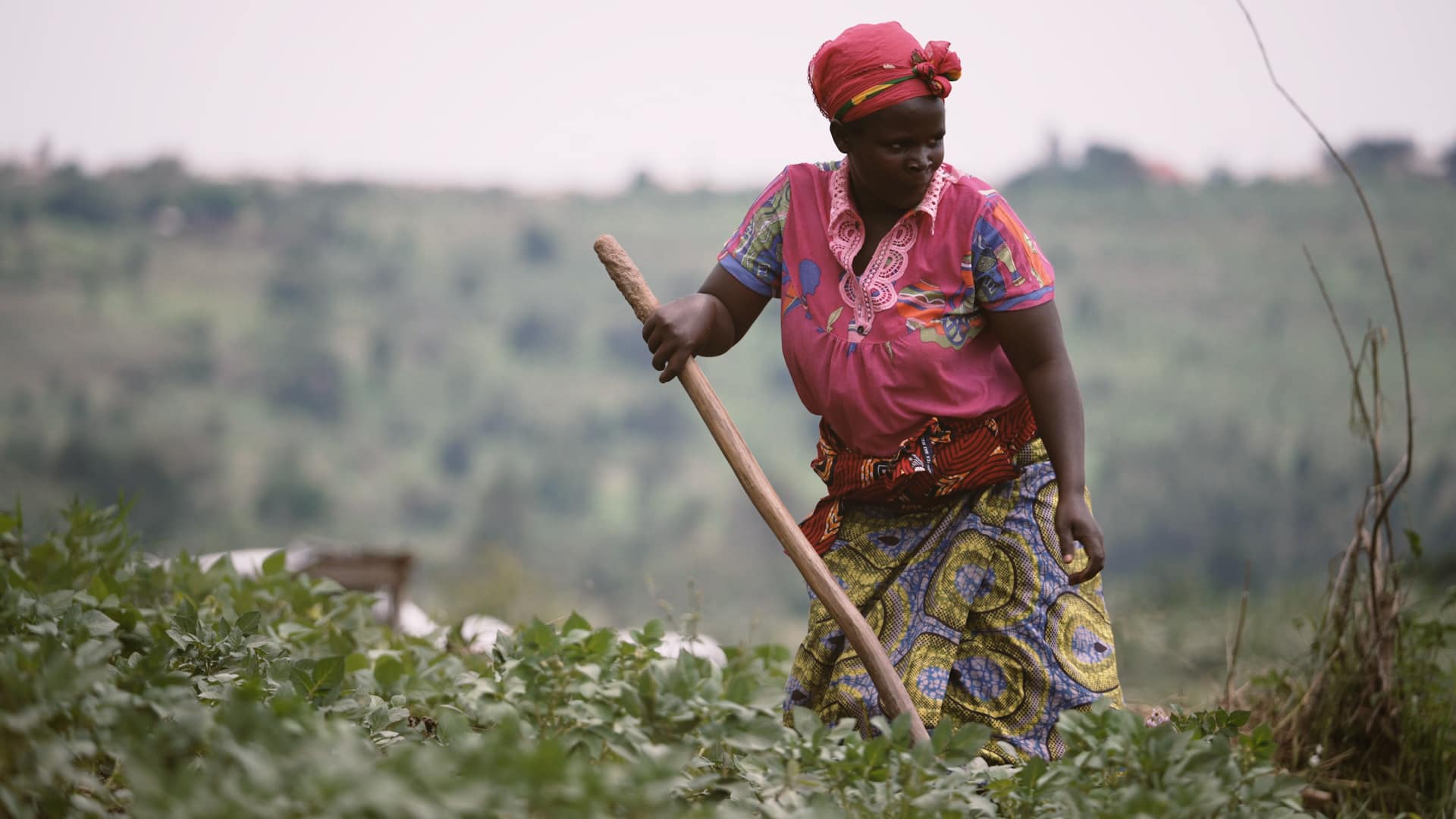
How to create lasting impact for refugees and community members
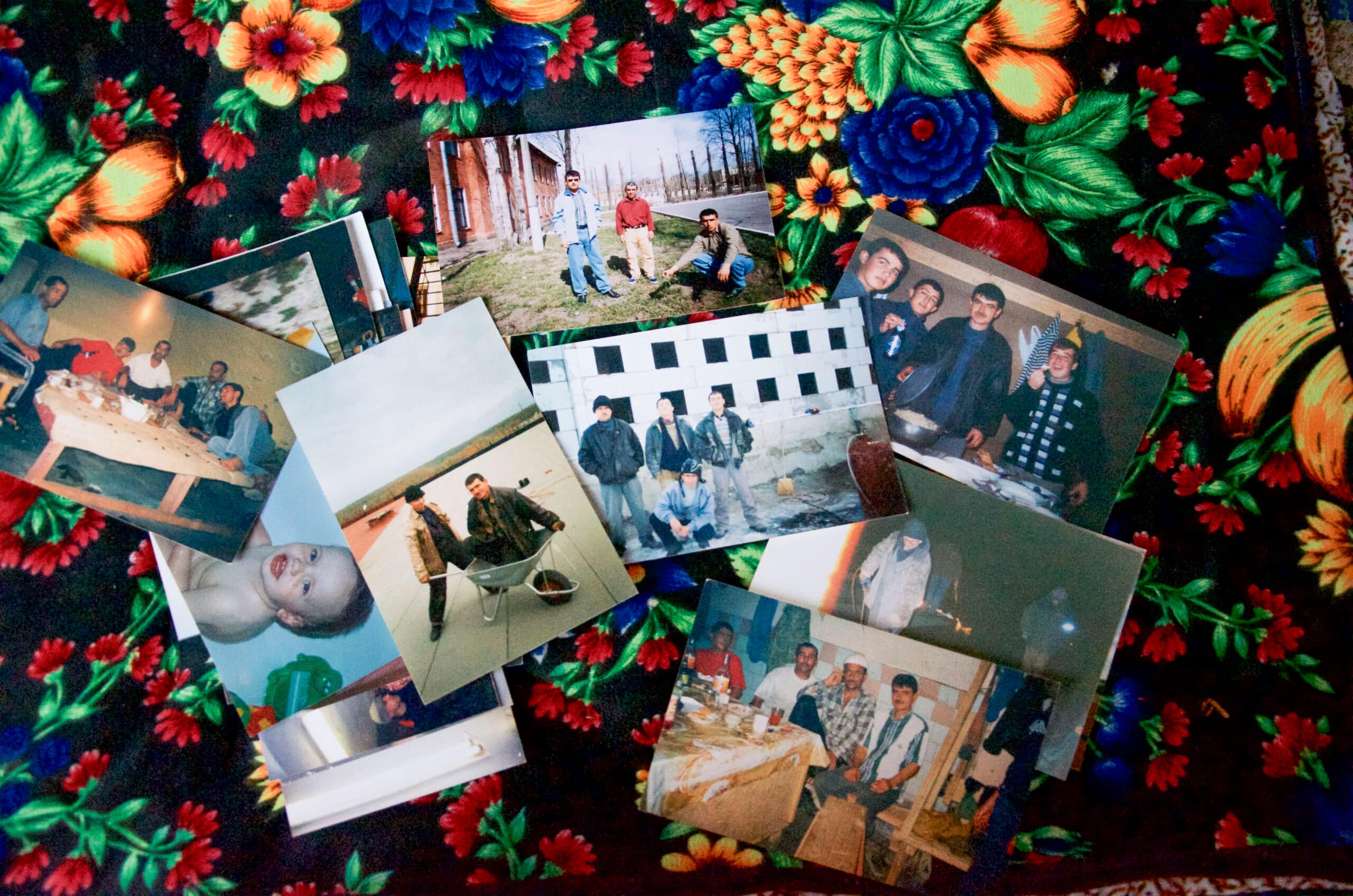
Mobility at a crossroads?
Latest publications on this topic
Understanding climate-induced migration in West Africa through the social transformation lens

Does social transformation drive out-migration? Perceptions and changes
Conflict forecast for digital solutions for climate security & migration in Kenya: Innovation Package and Scaling Readiness (IPSR) Report