


IWMI is helping to address gaps in Africa’s water data
A collaborative, stakeholder-driven approach is enhancing capacity and tailoring solutions to local needs.
In Kumaon, water’s not under the bridge
IWMI's Suchiradipta Bhattacharjee and Garima Taneja discuss the impact of perennial springs drying up in the Kumaon region.

Data on continental-scale river discharge are crucial to address water demand
IWMI researchers assess the data gap, existing methods and technologies for river discharge estimation in Africa.
Minister reiterates govt’s resolve to address water woes
At Pakistan Water Week, the Minister noted the urgent need for significant investments in climate resilience and international support.
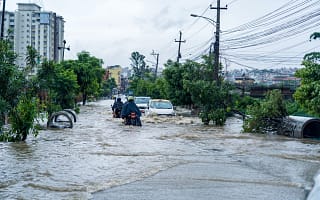
The climate crisis is a water crisis
Addressing water resilience in the context of climate change will go a long way to mitigate its effects, particularly on
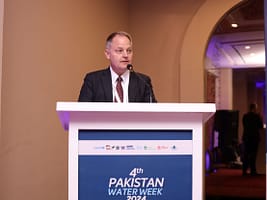
Pakistan Water Week 2024 aims to tackle the water and food security crises
The event takes place from Nov. 4-8 under the theme of "Building a Climate-Resilient Future."
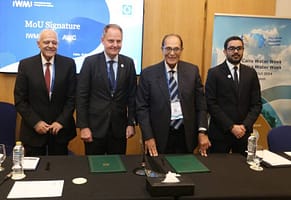
Partnerships the main driver at Cairo Water Week 2024
IWMI achieved a number of important milestones and showcased innovations for sustainable water management.
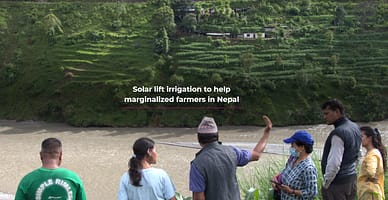
Solar lift irrigation to help marginalized farmers in Nepal
A feasibility study conducted in July 2024 showed that the project would deliver 90,000 liters of water a day 100
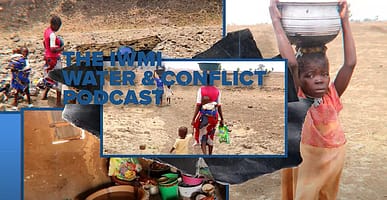
Water and conflict
Episode one of the Water and Conflict Podcast with CGIAR looks at water systems as a critical area affected by

Water challenges in Adamawa State
Episode two of the Water and Conflict Podcast with CGIAR explores water challenges and the impact of the photovoice project.
The path to water security in Adamawa State
Episode three of The Water and Conflict podcast asks what needs to be done to advance resilience in communities of

Misinformation deepens the impact of conflict and floods in Sudan
Misinformation is fueling confusion, delaying aid and putting more lives at risk as false narratives distort the true scale of
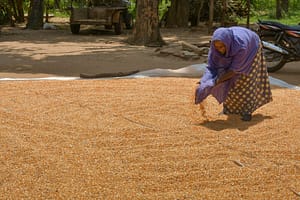
Climate change and a national economic crisis are overworking rural women in Sri Lanka
Recognizing the labor of climate adaptation can lead to more equitable adaptation policies, according to IWMI research.
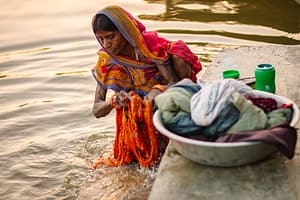
Climate change threatens water and sanitation facilities in Nepal
Inclusive collective action together with data-based decision-making can help to address climate vulnerabilities and low adaptive capacities.

Mind the gap
IWMI’s research shows that implementing interventions that promote inclusivity leads to long-term sustainability in landscape management.
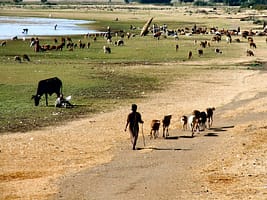
Water at the forefront of One Health in Ethiopia
Ethiopia's Water Champions are helping to drive discussions on the complex interplay between water and health, including at the national
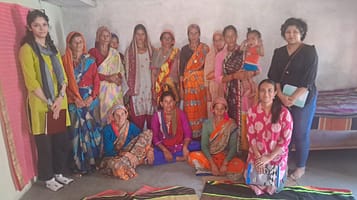
How self-help groups are empowering women amid out-migration
The groups are providing rural women with skills training leading to improved incomes as well as a greater say in
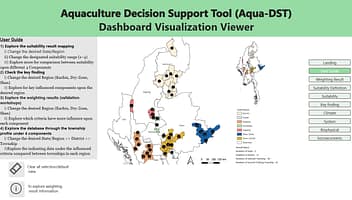
Dashboard to improve decision making on aquaculture expansion in Myanmar
The Aquaculture Decision Support Tool shows climate hazards, suitability, land use and waterbodies, and supply and demand conditions.
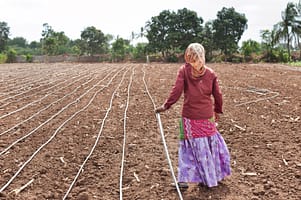
Women’s collectives as champions of climate-smart agriculture and water resilience
Collective action among women is found to enhance water efficiency, promote conservation and ensure equitable access to water.
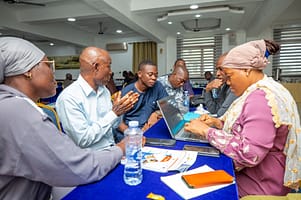
Minister lauds collaboration with IWMI
IWMI's work in Northern Ghana helps planners and decision-makers to develop interventions that encouraged positive societal transformation.
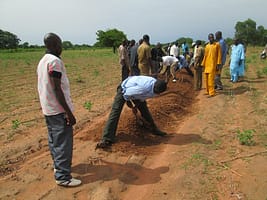
Integrated agricultural water management is a game changer in mixed farming systems
In Ghana and Mali, IWMI promotes agricultural water management practices through scaling partnerships and demand-driven research.
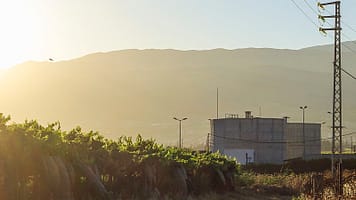
Pioneering water reuse: Lebanon’s first national standards and their impact on agriculture
The success of these standards will depend on support from government agencies, international organizations, and the farming community. It will
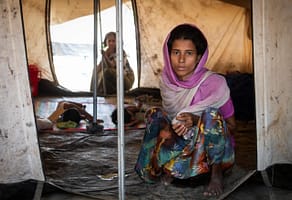
The unique challenge of implementing anticipatory action in refugee and IDP hosting communities
Creating measures that balance the needs of refugees and local populations during disaster preparedness presents a complex issue.
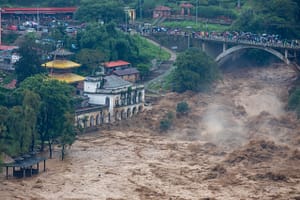
Extreme flooding and landslides worldwide highlight need for anticipatory action
Adapting to more frequent climate disasters calls for enhanced planning and collaboration.
How can acting before crises reduce impacts on the most vulnerable?
In this episode of Global Dispatches, we look at Anticipatory Action (AA) as a transformative approach in fragile and conflict-affected
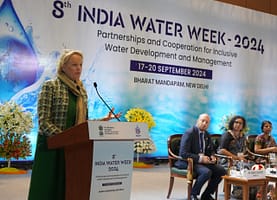
India Water Week 2024 underscores collective action for water security
The forum explored the role of partnerships, technology and community engagement in securing India’s water resources.
How can we responsibly scale innovations in fragile settings?
Listen to the latest episode of Global Dispatches to find out how IWMI and partners help vulnerable communities escape cycles
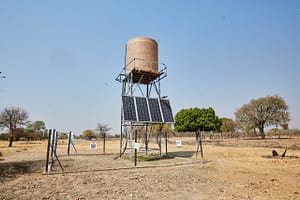
Zambia’s thirst for solutions in the face of drought
Unified action for preparedness and response can help communities to build resilience
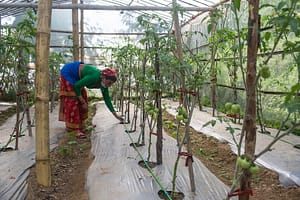
July-August 2024 Research Journal Roundup
Roundup of research, journal and other academic articles from July and August 2024.
Report – Countries must scale up the use of clean technologies to transform the global agricultural sector
Reducing greenhouse gas emissions from agricultural systems is crucial to keeping the world on track to meet international climate goals.
Global Dispatches podcast to explore water security in fragile situations
Tune in to Global Dispatches' "From Fragility to Stability with CGIAR."
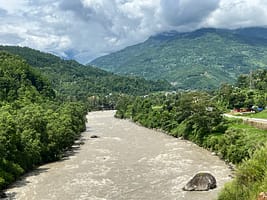
Clarion call to maintain environmental flows to protect Nepal’s rivers
There is growing concern that most hydroelectric dams undermine regulations requiring a minimum 10 percent E-flow to sustain local ecosystems.

IWMI appoints Olufunke Cofie as Africa Director for Research Impact
The new role will oversee research-for-development capabilities across Africa.
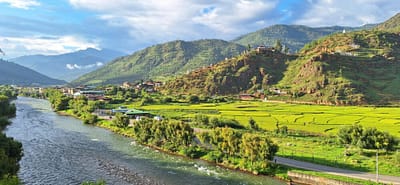
Cutting-edge mapping techniques are crucial for managing water storage in South Asia
IWMI and GWP partner with Bhutan’s Department of Water to advance efforts including mapping surface water bodies.

From wastelands to wetlands: The fight to save Sri Lanka’s natural flood buffers
IWMI researchers comment on the importance of preserving Colombo's wetland ecosystem as the city becomes more vulnerable to flooding.

IWMI tackles water scarcity in Punjab with groundbreaking GMIS
The Groundwater Management Information System (GMIS) can help in developing water policies and better water management practices.
Opinion: Nepal’s women leaders champion inclusive development
Manohara Khadka and Sumitra KC on how entrenched systems and outdated norms continue to hinder Nepal's new generation of women
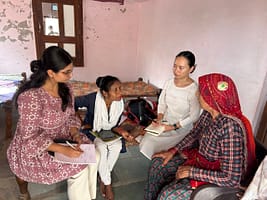
The role of gender-disaggregated data in agriculture-food systems
Data imbalance can lead to the exclusion of women farmers in policy design and contribute to inequity in economic progress.
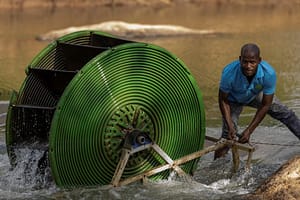
IWMI and GIZ offer insights on Water-Energy-Food-Ecosystems Nexus for transboundary water management
The solutions foster adaptation to changing climate conditions and protect biodiversity and freshwater ecosystems within and across boundaries.
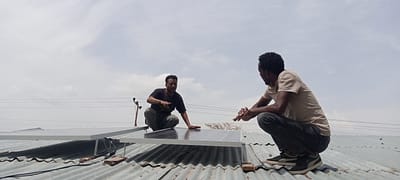
Public-Private Partnerships are making solar-powered irrigation accessible to smallholder farmers
IWMI’s research suggests that the technology promotes sustainable farming practices and increases local food production.

What the attempts to clean the Seine reveal about water pollution worldwide
Paris’s efforts highlight the difficulty cities face in cleaning waterways to preserve human, animal and ecosystem health.
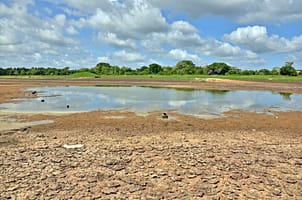
Water Resilience Tracker enables cross-sectoral collaboration
Funded by the UK government, this project will help to transform climate and water policies in the Global South.
Severe drought drops water level to historic low on the Paraguay River, a regional lifeline
Rachael McDonnell comments on the cycles of flood and drought as climate change intensifies.

[Explainer] What is micro irrigation?
IWMI's Smaranika Mahapatra discusses work on micro irrigation systems in Odisha and Assam states in India.
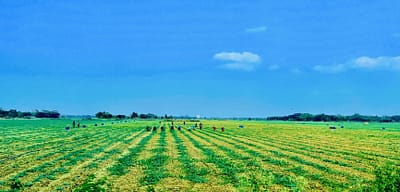
The invisibility of women’s labor in Bangladesh’s agriculture
Recognizing women’s roles in agriculture is key to unlocking economic empowerment, bolstering food security and improving nutrition nationwide.
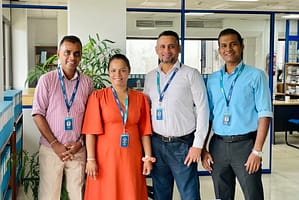
A conversation with IWMI’s knowledge management team on enhancing agricultural research with FAO’s AGRIS and AGROVOC programs
AGRIS is a comprehensive bibliographic database focused on agriculture and nutrition, while AGROVOC is a multilingual thesaurus covering a wide
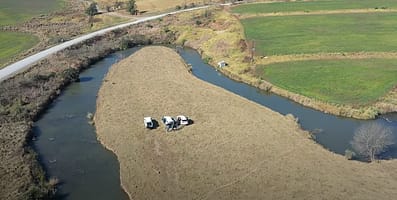
Modeling water flows in the Limpopo River Basin using drone technology
Environmental flow assessments (e-flows) are essential tools to understand the health, dynamics and ecology of river systems.
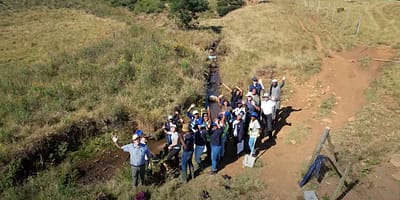
Citizen science for action on water quality in southern Africa
The Enviro Champs are working with partners to draw attention to water quality and environmental issues in local ecosystems.
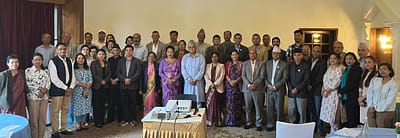
IWMI facilitates dialogue as Nepal works to amend its key water legislation
Experts call for legislation that is holistic, inclusive and timely to address critical issues regarding sustainable use of water resources.
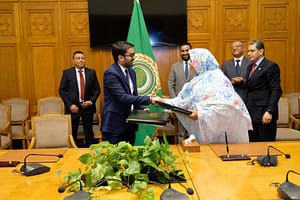
IWMI signs MoU with the League of Arab States
The agreement will facilitate further cooperation in the water security agenda of the Arab region.
