Mitchell McTough
Researcher — Water, Conflicts and Resilience
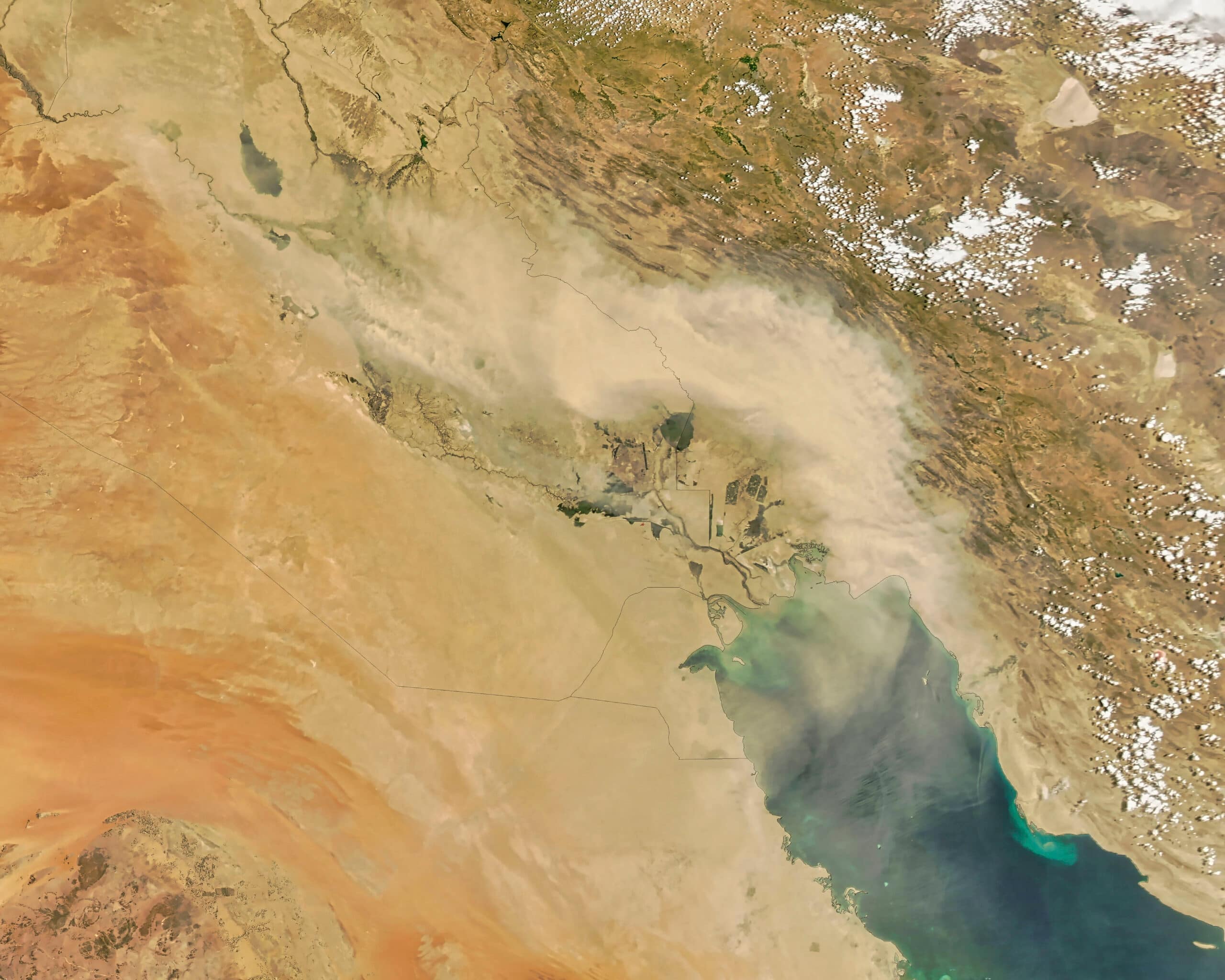
Mitchell Chambers McTough (PhD, GradCIWEM) is an applied researcher–practitioner with 12+ years’ experience who bridges engineering and social science to deliver results in fragile and conflict-affected settings. At the International Water Management Institute (IWMI) he leads Wiqaya, a sand and dust storm mitigation programme in southern Iraq, managing a 20-person multidisciplinary team and translating research into policy and operations across MENA and East Africa. Whilst at IWMI, he has also led drone-based remote-sensing fieldwork in Ethiopia’s Somali and Tigray regions to strengthen disaster-risk management. Earlier, he headed UNDP’s Iraq Crisis Response and Resilience Programme livelihoods component and served as Emergency Livelihoods Cluster Coordinator, following emergency leadership roles with the Human Relief Foundation securing major grants for WASH, shelter and livelihoods and delivering projects with UNDP, UNICEF and UNHCR. He implemented an Elrha Humanitarian Innovation Fund (HIF) project on sustainable surface-water management in humanitarian camps as part of his PhD. Mitchell holds a PhD in Water & Environmental Engineering and an MA in Peace and Conflict Studies, and is an Honorary Fellow at Coventry University’s Centre for Agroecology, Water and Resilience. His publications span nature-based solutions, disaster risk reduction and displacement, including practitioner guidance on surface-water management in camp settings.