

Citizen science is scientific research conducted partly or entirely by non-professional volunteers working alongside professional scientists. The approach has long roots in agriculture, where researchers partnered with farmers to identify problems, select methods, and test new technologies in real farming conditions. Today, citizen science is used across many fields, including water security, public health and ornithology, amongst others.
Citizen science helps fill important knowledge gaps. Local participants contribute deep knowledge of their environment, while large networks of volunteers can collect data across areas and time periods that would otherwise be difficult for research teams to cover. As a result, research that integrates citizen participation is increasingly recognized as more dynamic, innovative and grounded in real-world conditions than traditional approaches.
How citizen science works
Citizen science projects typically begin with collaboration. Researchers partner with citizens, often the communities expected to benefit from the research, early in the process to shape research questions and design methods that reflect local priorities. Community members contribute knowledge of their environment, as well as insights into social, political and economic conditions that may influence a project. This local perspective helps ensure that research approaches are practical and relevant.
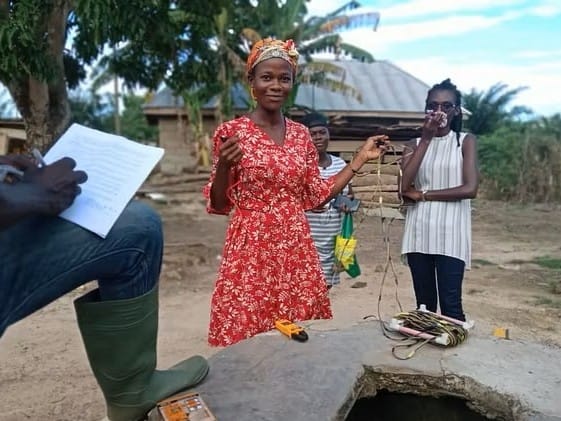
Citizens often also play a central role in data collection. Because volunteers are widely distributed across landscapes and communities, they can gather information at a scale that professional teams alone cannot achieve. For example, citizen scientists may record rainfall, monitor water quality, or document changes in local ecosystems.
Citizen science in the Akaki catchment in Ethiopia engages residents to monitor rainfall, streamflow and floods, generating real-time, geolocated data that fills gaps in formal systems. Communities also play a key role in communicating early warnings through shared forecasts, observations, photos and messaging groups. Co-development with local networks strengthens ownership, hotspot mapping and preparedness.
From notebooks to smartphones
In a pre-digital world, citizen science relied largely on pen and paper, which limited the scale at which data could be collected, shared and analysed. The rise of the internet in the 1990s made information exchange far easier, enabling citizen science initiatives to connect data collected at local levels with regional and international research efforts. Today, citizen science is contributing globally across Sustainable Development Goals on food, water, land and social systems. Advances in digital technology have further expanded its potential. Smartphones, sensors, and online platforms allow volunteers to record and upload observations in real time, increasing spatial and temporal monitoring coverage. These tools also simplify in-field data collection and reporting, while reducing costs and making participation more accessible.
Why citizen science matters for community members
Citizen science enables community knowledge holders whose expertise may otherwise not be formally recognized to contribute meaningfully to the co-creation of scientific knowledge. This gives a greater voice to indigenous and local communities in scientific spheres
Inclusivity and learning are core to all citizen science initiatives. By participating in collaborative research with professional scientists, volunteers deepen their understanding of scientific topics and methods while gaining practical experience in how research is conducted.
Citizen science also contributes more broadly to the democratization of scientific research through empowering individuals from diverse backgrounds to access data about their environment, often on issues that matter directly to their communities. This gives local and marginalized groups greater agency to advocate for projects and policies that reflect their needs and priorities. In Limu Bilbilo and South Sodo districts of Central Ethiopia, citizen scientists collect watershed data and use it to influence local decisions and support scalable, participatory ecosystem management.
The accessibility of many citizen science initiatives also makes them well-suited for youth engagement, which allows young people to become active participants in understanding and protecting their environment early on. Platforms like Scistarter’s database of citizen science projects enable aspirational scientists as young as six years to find suitable projects for participation based on their location and interests. Youth participants have been introduced to the mini stream assessment scoring system (MiniSASS) and the Impact Youth Market platform (YOMA) to seamlessly monitor river health and earn incentives for helping to support healthy rivers. This approach demonstrates how citizen participation, combined with advanced technology, can strengthen inclusive, transboundary water management across country borders.
Why citizen science matters for policymakers
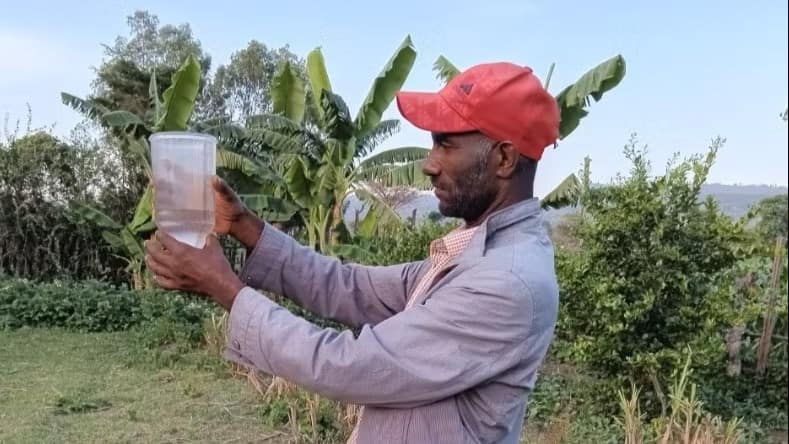
Citizen science can also strengthen policymaking by providing more diverse and timely sources of evidence. When communities contribute data directly, policymakers gain access to information that may not be captured through conventional monitoring systems.
For example, during the COVID-19 pandemic, citizen-contributed data helped track the spread of the virus in some contexts, informing public health responses and shaping policy discussions. In the Limpopo River Basin, citizen science is enhancing water monitoring. Water managers and local communities in Botswana, Mozambique, South Africa and Zimbabwe contribute data that feeds into AI-powered Digital Twin tools, enabling real-time insights and collaborative decision-making.
At the same time, policymakers play an important role in supporting citizen science initiatives. Greater integration of citizen science into national science, technology, and innovation strategies can help ensure these efforts are sustained and scaled. Recognizing citizen scientists as contributors to knowledge production can further strengthen the credibility and impact of participatory research.
Citizen science is increasingly bridging community knowledge and digital innovation, empowering everyday people to help tackle complex global challenges from climate change to water security.
