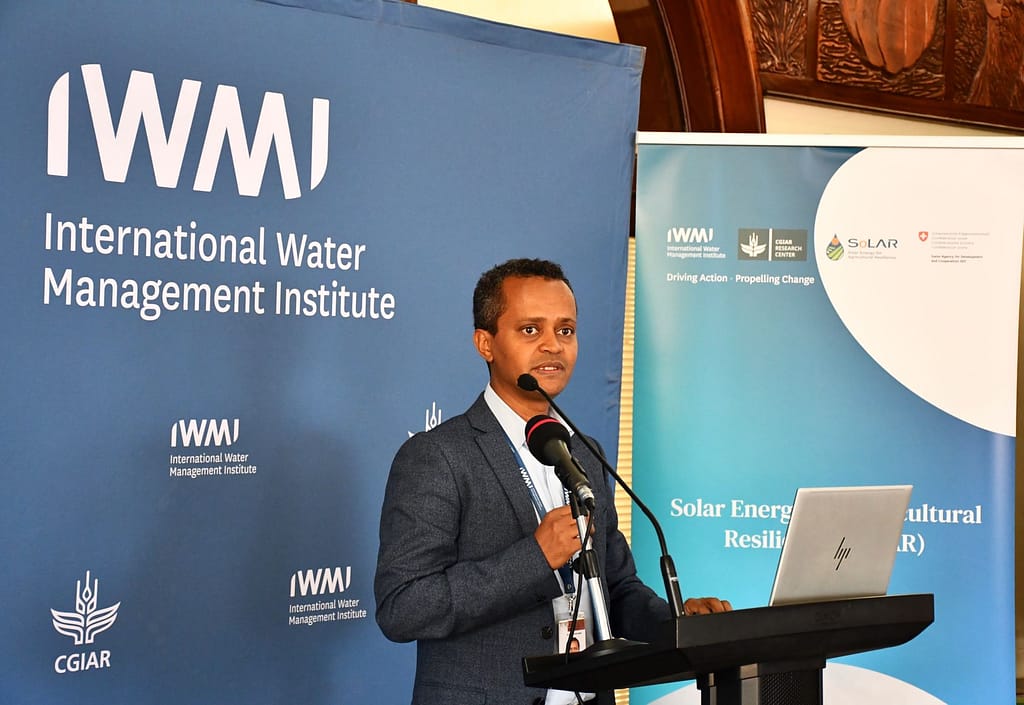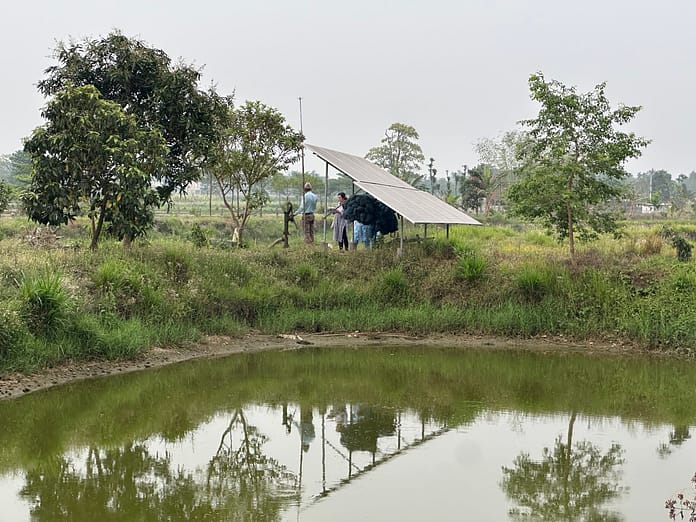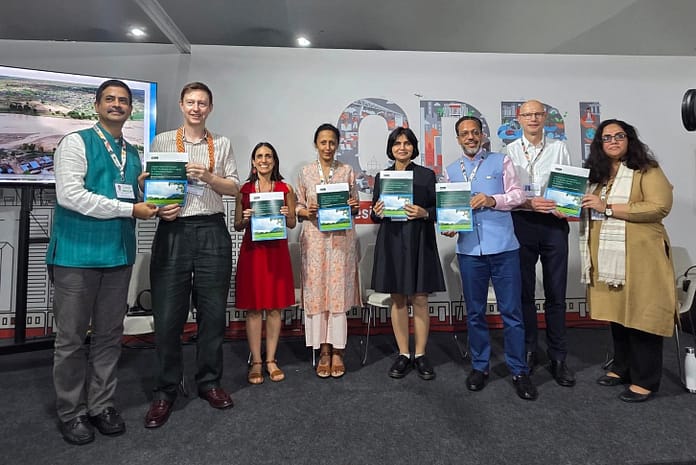

The International Water Management Institute (IWMI), with funding from the Swiss Agency for Development and Cooperation (SDC), launched the Solar Energy for Agricultural Resilience (SoLAR) project in Ethiopia and Kenya.
The project builds on five years of successful work in South Asia, where it proved that solar-powered irrigation helps farmers depend less on rainfall. The second phase of the project moves beyond irrigation to introduce a wide range of solar technologies such as cold storage, dryers, milling and agro-processing equipment that will help farmers lower production costs, keep their harvests fresh longer, reduce waste and create additional ways to earn an income. This holistic approach is designed to transform agricultural practices and improve the livelihoods of farmers.
“Kenya’s irrigation potential is 3.3 million acres, but only about 710,000 acres are under irrigation. With strong political will and an active private sector, we can reach the target of the National Irrigation Sector Investment Plan of one million acres by 2030. Coordinated action is now needed to bridge policy gaps, expand financing options and raise awareness among farmers,” said Vincent Kabuti, irrigation secretary at Kenya’s Ministry of Water, Sanitation and Irrigation.
Ethiopia has over 11 million hectares of land suitable for irrigation but only a fraction of it is in use. Small scale irrigation faces challenges such as rising irrigation demand and high inefficiencies in the sector. There is a need to facilitate agricultural mechanization and irrigation technology, enhance innovations and improve the role and participation of the private sector in agriculture.
Through this project, IWMI and partners will generate robust evidence to help shape policies and guide investments in Ethiopia and Kenya, while developing financing options that make solar technology affordable for all farmers, regardless of their economic status.
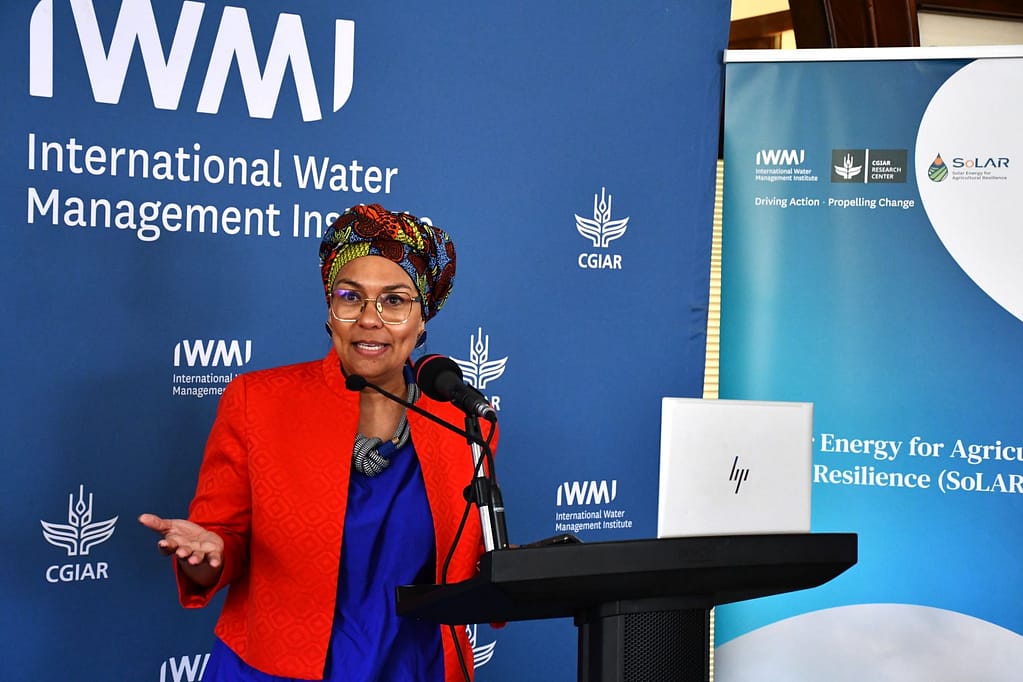
“Solar energy has the potential to transform food systems, making them more sustainable, inclusive and climate-resilient,” said Inga Jacobs-Mata, IWMI’s strategic program director of water, growth and inclusion. “Through the project, we will work with both governments, the private sector and communities to create the enabling environment for these technologies to thrive at scale.”
IWMI will build the skills of farmers and partners by providing training and promoting collaboration across the two countries. Farmers and partners will test and refine innovations in “living labs,” working together to design and adopt practical solar-powered solutions tailored to their needs. A key focus is to ensure that women, youth and disadvantaged groups gain equitable access to solar-powered farming systems. These efforts will not only make agriculture more productive in Ethiopia and Kenya, but also climate-smart, inclusive and financially viable.
“The two East African countries will benefit from South-South learning with lessons from South Asia adapted to local conditions as appropriate,” said Muluken Adamseged, IWMI’s deputy country representative in Ethiopia and researcher in innovation scaling.