

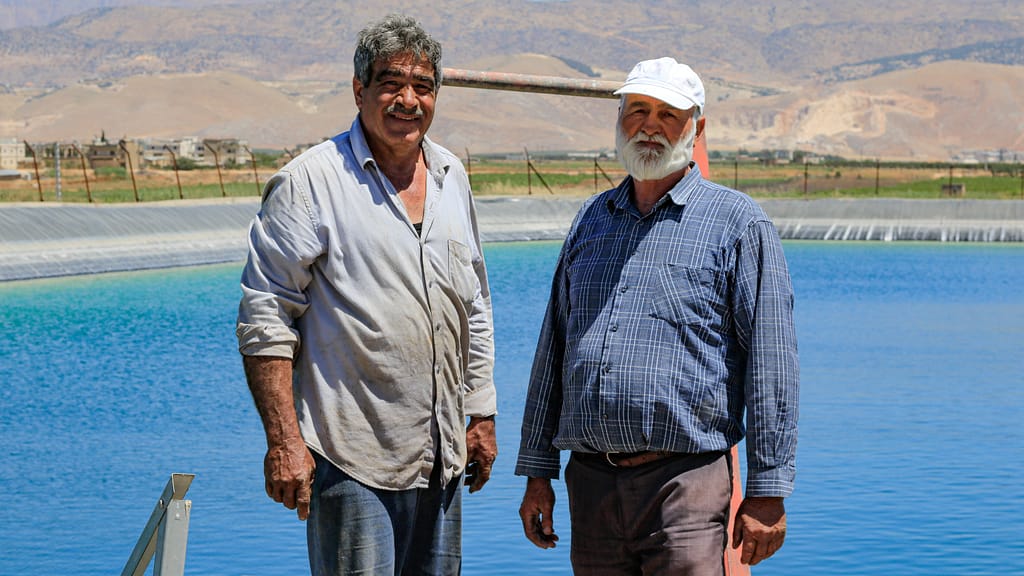
The Middle East and North Africa (MENA) region is at a crossroads, facing unprecedented water stress. Drastic population growth, along with rapid urbanization, agricultural expansion and shifting consumption patterns, could push water demand up to 50% by 2050.
At the same time, the amount of renewable freshwater replenished through natural processes such as rainfall and groundwater recharge is alarmingly low. The average per capita renewable water availability in MENA is less than 500 cubic meters per year — 10 times lower than the global average of about 5,000 cubic meters.
With water scarcity threatening food security, urban supplies and ecosystems, experts urge the region to look to water reuse as a practical and essential solution.
The promise of water reuse
Every year, MENA generates approximately 21.5 billion cubic meters of municipal wastewater. Yet, more than 50% of this water remains untreated or is lost through evaporation. If recaptured, it could irrigate millions of hectares of farmland, support industrial growth and restore degraded ecosystems.
Unlike freshwater, which is increasingly limited in MENA, the availability of treated water grows with urbanization and economic activity, making it a sustainable and scalable water source for the region. Safe water reuse is already practiced in parts of MENA, where treated water meets World Health Organization (WHO) guidelines for agricultural irrigation.
Moreover, studies show that every $1 invested in wastewater treatment can yield up to $4 in economic returns through increased agricultural productivity, job creation and reduced reliance on freshwater resources.
Overcoming barriers to water reuse
Despite its promise, only about 10% of used water in MENA is recycled directly for irrigation.
One of the biggest obstacles to water reuse is the lack of reliable data. Information is scarce on how much wastewater is generated, where treatment plants are located and how much of their capacity is used. This makes it difficult for planners and policymakers to identify opportunities or track progress.
In some countries, regulations remain unclear or inconsistent, with responsibilities for water quality and reuse split across multiple agencies. This can create uncertainty for investors and municipalities seeking to explore water reuse opportunities. Infrastructure gaps add another layer of complexity. In many areas, treatment facilities are not adequately mapped or connected to potential reuse sites such as farms or industrial zones.
Many communities also remain hesitant to accept reused water, due to misconceptions about its safety. High treatment and infrastructure costs further limit affordability and constrain large-scale adoption. Without accurate information, supportive governance and community acceptance, water reuse is often seen as a liability rather than an asset.
The benefits of reuse extend far beyond water savings. Water reuse can secure water supply for agriculture, reduce dependence on groundwater sources, lower wastewater discharge costs and enhance resilience to climate change.
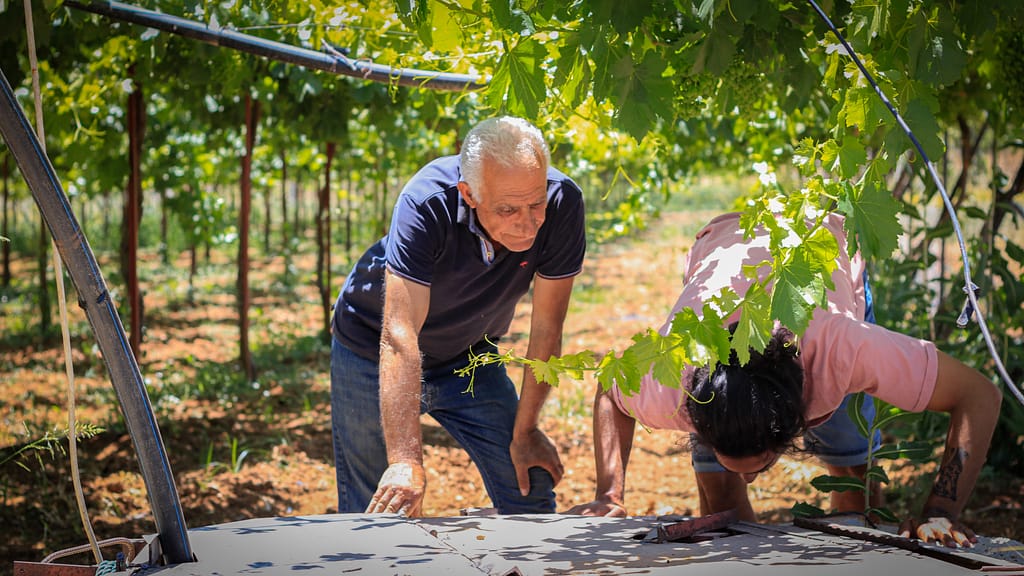
Exploring the potential of water reuse — through AI
Researchers of the International Water Management Institute (IWMI) have turned to Artificial intelligence (AI) and remote sensing-based data analytics to equip stakeholders with the insights needed to make well-informed decisions on water reuse.
Between 2018-2022, IWMI implemented ReWater MENA in Egypt, Jordan and Lebanon to increase safe water reuse in the region. The project helped develop water reuse models and guidelines, developed reuse standards and built capacity among stakeholders to enable safe reuse practices for food safety, health and livelihoods.
Building on this success, IWMI’s e-ReWater platform, supported by Google.org, uses AI-driven analytics and geographic information systems (GIS) to map water reuse flows across Egypt, Saudi Arabia and the United Arab Emirates and to visualize availability and demand of treated water.
This allows water planners to pinpoint underutilized treatment plants, evaluate their connectivity to nearby farms, and determine where reuse could most effectively support irrigation while reducing freshwater withdrawals. The findings also help to advise on the most cost-effective and priority investments in water reuse.
“We are developing a data-driven decision support tool that provides water managers with detailed, spatially explicit insights on wastewater generation, treatment capacity and reuse potential in three different sectors — agriculture, industry and environment,” said Naga Velpuri, principal researcher at IWMI and project lead of e-ReWater.
Early results show how digital technologies can uncover opportunities that were once hidden by fragmented data. By transforming data into actionable insights, e-ReWater is turning a promising idea into a measurable and scalable reality, helping the region move toward greater water security and resilience.
As part of the ReWater MENA program, IWMI supports capacity building through stakeholder sensitization, training activities, and knowledge-exchange workshops designed to strengthen the ability of reuse stakeholders to plan and implement safe water-reuse practices.
“Safe water reuse offers enormous potential for growth in the MENA region,” said Javier Mateo-Sagasta, senior researcher on water quality at IWMI. “To realize this potential, we must combine innovative tools like e-ReWater with strong governance and stakeholder collaboration.”
Cultivating conditions for success
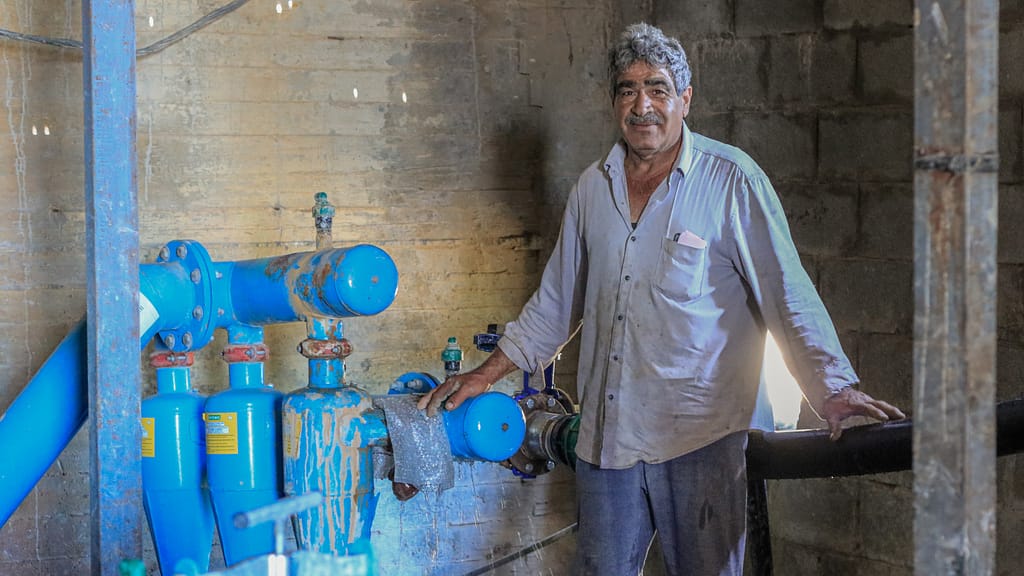
Sustainable water reuse relies on enabling regulations, governance structures, financing and societal acceptance. Clear safety standards foster trust among farmers and communities.
Policy frameworks such as Egypt’s National Water Resources Plan and Saudi Arabia’s National Water Strategy 2030 illustrate how integrated approaches linking policy, infrastructure and innovation can make reuse economically viable and socially accepted.
IWMI’s ReWater MENA project has helped train hundreds of local water managers to implement safe reuse practices in line with WHO guidelines. This has enabled the safe use of wastewater in agriculture and aquaculture.
When these policy and governance building blocks are in place, AI-powered tools like e-ReWater can move from small-scale experiments to mainstream practice. As climate change intensifies and water demand rises, water reuse is no longer optional — it is essential to one of the world’s most water-stressed regions.


