

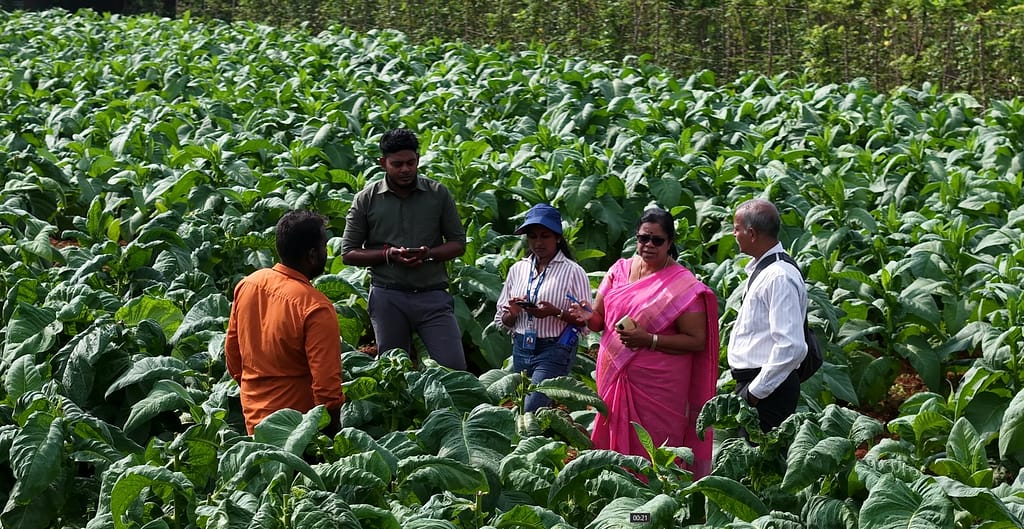
Groundwater is the lifeline of the Jaffna Peninsula. In many areas, it is not just the primary source of water but the only one. Yet this fragile resource is under mounting pressure, strained by unsustainable extraction, weak regulation, and rising demand. The result is a steadily falling water table and the creeping intrusion of saltwater into freshwater aquifers.
The recent impact of Cyclone Ditwah across Sri Lanka serves as a stark reminder of how vulnerable groundwater systems can be. Floodwaters can wash pathogens, agricultural chemicals and sediments into shallow aquifers, wells and surface water bodies, compromising water quality and posing serious public health risks. For Jaffna, such events are no longer rare. Identified as a climate change hotspot, historical data point to an increase in the frequency and intensity of flash floods and cyclones impacting the peninsula.
Human activity has further exacerbated these natural constraints. Unscientific sand and limestone mining have altered geological formations that once stored and filtered water. Poor waste management and industrial effluents seep into the ground, while the heavy use of agrochemicals and fertilizers degrades water quality. Together, these pressures have reduced both the availability and quality of the water people depend on.
Governance, meanwhile, remains fragmented. Responsibility for managing groundwater is spread across numerous government agencies, including the National Water Supply and Drainage Board (NWSDB), the Water Resources Board (WRB), provincial irrigation and agriculture authorities, and many others.
Too often, these institutions operate in isolation, with limited coordination or data sharing. Lack of data constrained real-time decision-making. The consequences are visible in practices such as haphazard construction of tube wells, unregulated pumping, poorly regulated issuance of mining permits and the persistence of illegal sand and limestone extraction in and around the Jaffna Peninsula — activities that accelerate groundwater depletion and invite saltwater intrusion.
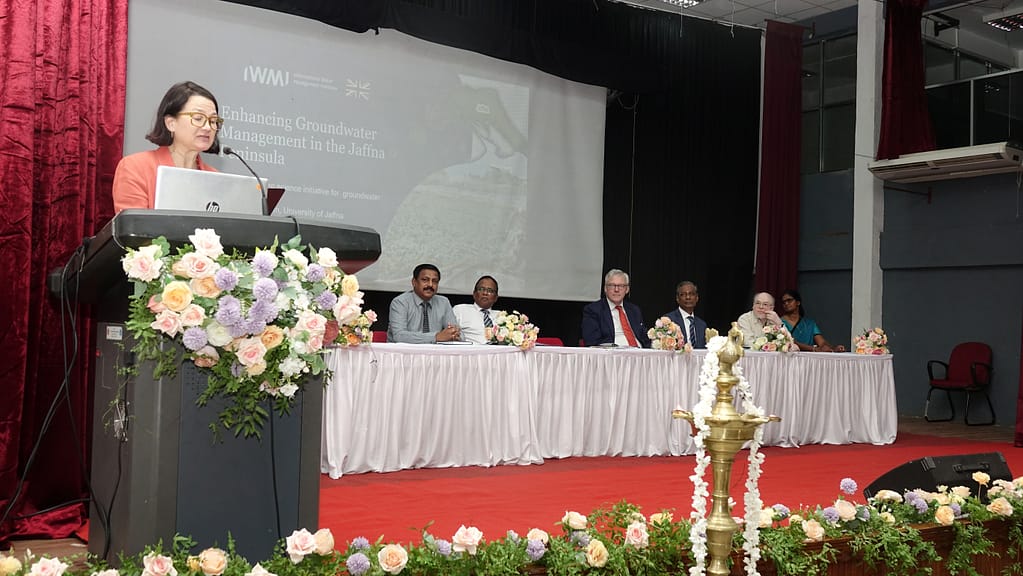
Against this backdrop, efforts are emerging to bring science, communities and institutions into closer alignment. The International Water Management Institute’s (IWMI) Improving Groundwater Management in the Jaffna Peninsula project in partnership with the United Kingdom’s Foreign, Commonwealth and Development Office (FCDO), was designed to safeguard the peninsula’s aquifers by strengthening both knowledge and coordination.
The project implemented activities ranging from monitoring systems and raising awareness to citizen science programs. Central to these efforts was the creation of a Multi-Stakeholder Platform (MSP) designed to improve coordination and joint decision-making among national authorities, researchers and local actors, who share the responsibility for groundwater management in Jaffna.
IWMI played a vital role in proposing and supporting the establishment of the MSP for groundwater governance in Jaffna. Through structured consultations, technical inputs, and facilitation support, IWMI helped convene key institutions, articulate the need for a coordinated groundwater governance mechanism and guide stakeholders in co-designing the MSP’s structure, roles and operating modalities. This support enabled the transition from a shared vision to a formally constituted platform under stakeholders’ ownership.
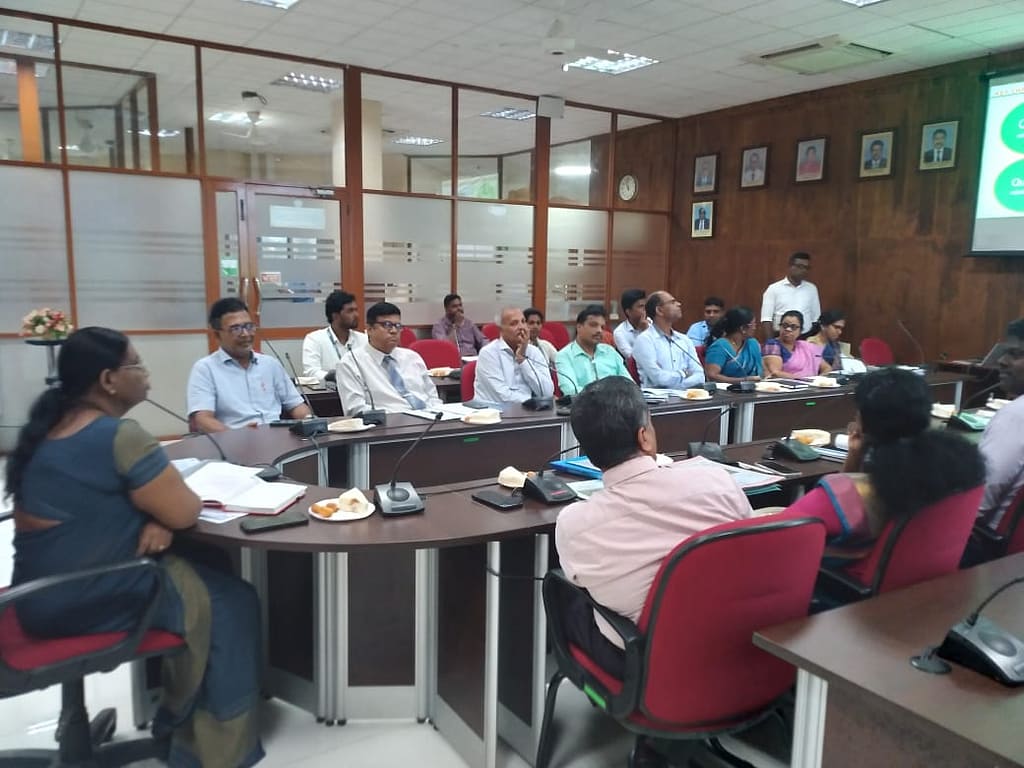
The platform’s goals began to translate into action during its inaugural meeting held on November 18 and chaired by the Chief Secretary of the Northern Provincial Council, Thanuja Murugeson. Stakeholders agreed on a set of resolutions to guide their collective work. To maintain momentum and ensure close technical coordination, members committed to meeting monthly, signaling a rare level of sustained engagement around groundwater management.
The meeting also resulted in immediate administrative actions. The Chief Secretary directed the Commissioner of Local Government in Jaffna to instruct all local authorities to issue business registrations for tube-well-drilling companies exclusively to firms registered with the WRB. This directive was an immediate step to establish administrative safeguards aimed at curbing unauthorized drilling while longer-term legal reforms are pursued.
Looking ahead, stakeholders agreed that the Multi-Stakeholder Platform should operate beyond project timelines, evolving into an enduring locally owned governance mechanism. IWMI will continue to support this transition by deepening the evidence base and partnerships needed to protect Jaffna’s groundwater.


