


How to value Pakistan’s water in a changing climate
April 6, 2026
A new decision support system serves as a virtual laboratory for determining the economic value of water.

A new decision support system serves as a virtual laboratory for determining the economic value of water.
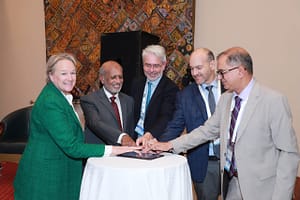
A data-driven model for the Indus Basin connects the traditional world of water allocation planning with new frontiers of artificial intelligence and human cooperation.
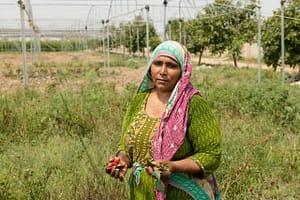
Why women’s empowerment in agriculture begins with decision-making powers.

The challenge now is to turn the theory of a nexus approach into practical solutions for South Asia’s interconnected natural resource challenges.
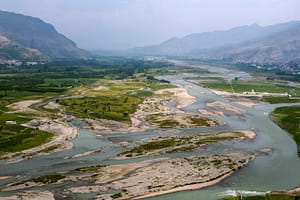
Through advanced hydro-economic models and citizen science, the Indus Basin is seeing effective policy changes across water, energy and food systems.

Through education and citizen science, IWMI supports communities in Kyber Pakhtunkhwa to connect with water policy and restore trust in water management services.
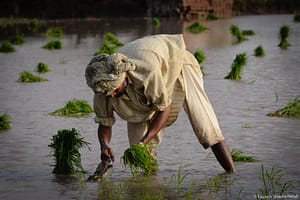
A team of researchers from IWMI and IFPRI are exploring hydro-economic modeling and trade-offs in the agricultural sector to achieve water, food security and sustainability in regions facing growing resource constraints.

The Chirchik River Pywr model tracks current water management decisions, their impacts and benefits to evaluate future interventions.