

Home 2022
Yearly Archives: 2022

Voices from Below
In Bihar, India, the existing agriculture inequalities exacerbated by the climate distress has exposed the marginalized farmers especially women sharecroppers and laborers to intersectionality of vulnerabilities by caste, class, geographical location, age, ethnicity, and gender.
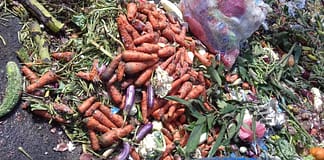
Waste not, want not
Recovery of safe and nutritious food from wholesale to consumer and safe redistribution for direct human consumption to reduce hunger and malnutrition.

Moving out, moving up? Stories of rural women migrating from Thailand...
On the 15th of October, 2022, the international community celebrates the world’s hardworking rural women whose labor helps deliver global food security.

How Pakistan can prevent another flood disaster
In an op-ed, Mohsin Hafeez explains the science-based actions Pakistan could take to improve its capacity to deal with floods and minimise their negative impacts.

Securing MENA’s water supply
Talking to Nature Middle East, Javier Mateo-Sagasta explains that building trust among stakeholders is key to increasing long-term use of water reuse technologies and practices in the MENA region.
Forecasting a hot, dry future
Rachael McDonnell spoke to Nature Asia about the impacts of drought and the critical need to monitor and analyze them.

Governments are still not putting water security at the centre of...
The climate crisis is a water crisis but governments around the world are still not putting water security front and centre, according to a water governance expert.
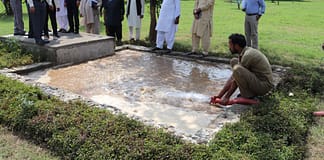
Pakistan needs rainwater harvesting solutions, technology to end water crisis: Experts
Groundwater recharge wells are a cost-effective nature-based solution to revive groundwater aquifers and mitigate the risk of urban flooding.

July-August 2022 Research Journal Roundup
Roundup of research, journal and other academic articles from July and August

Staying alive: Navigating water, gender and poverty inequalities in Kafr El...
Women’s increasing roles in irrigation in Egypt, as well as across the MENA region cannot be viewed in isolation of women’s domestic care work.