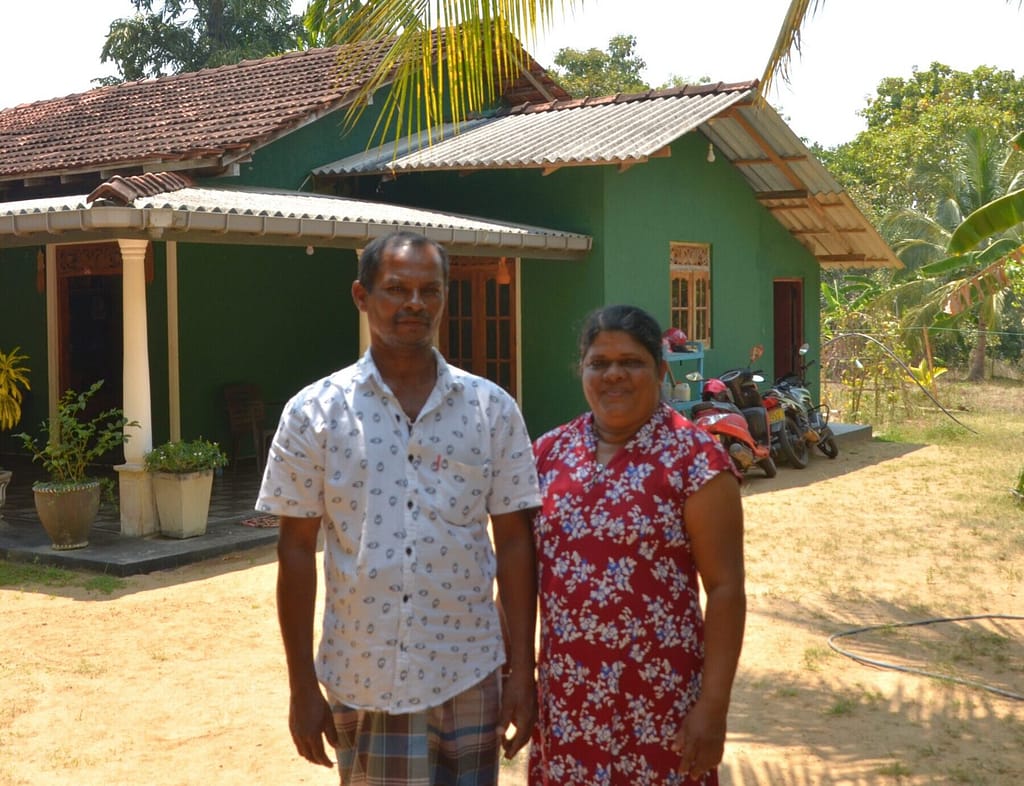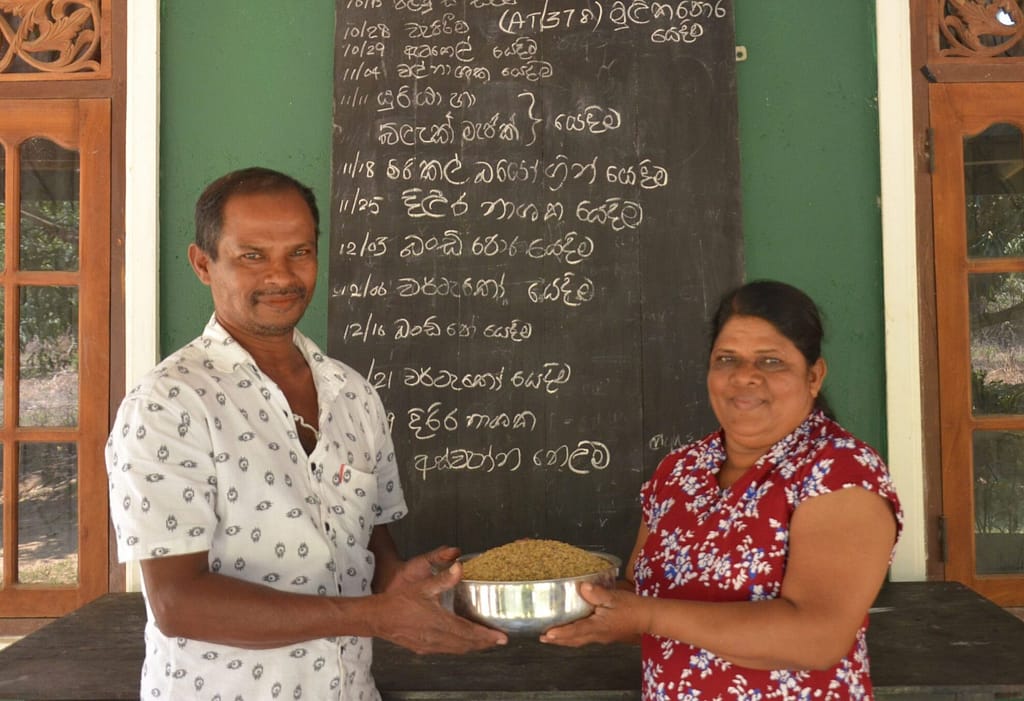
“Both the seed paddy and the climate advisory services were very valuable to us. We had never received climate advisory services before, so that was especially useful,” said MNM Ratnasiri Bandara, who, with his wife KM Swarnakumari, farm paddy in the rice belt of Sri Lanka.
In the island’s dry zone, farmers like Bandara and Swarnakumari rely on rains and canals to bring water to their fields. Their year turns on the rhythm of two seasons. The Maha season, from October to January, when the monsoon rains replenish the land, and the Yala season from May to September, when cultivation hinges on the careful release of water from nearby tanks.
In the Kurunegala district, where the family cultivates their fields, this intricate balance with water is becoming increasingly fragile. Timing is everything.
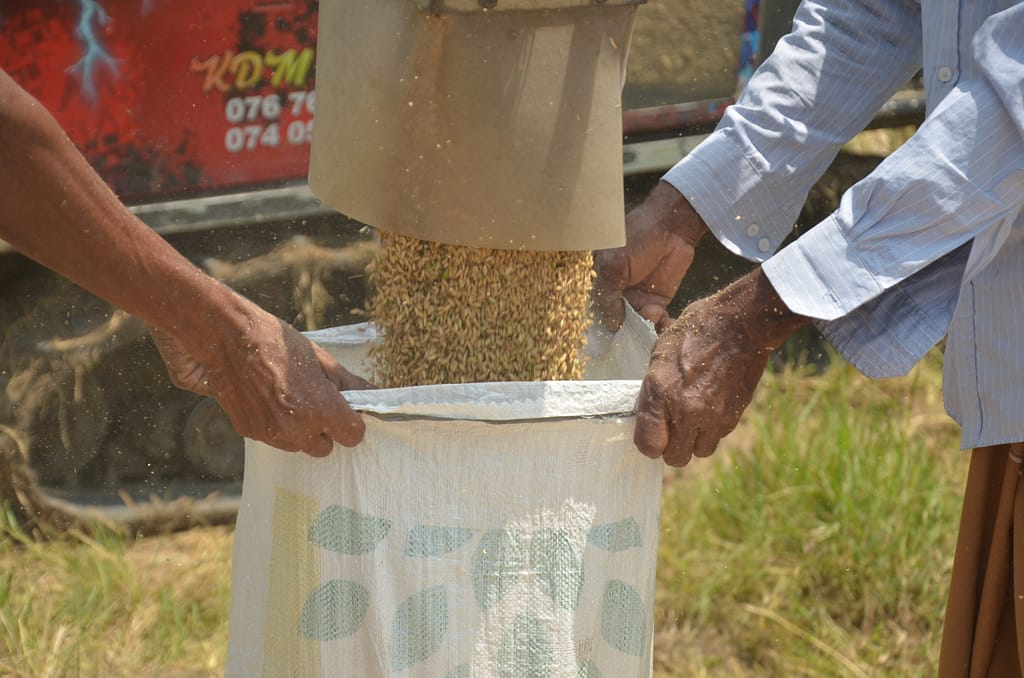
Climate resilience in smallholder systems relies on managing risks early and implementing adaptive practices that ensure reliable water, resilient farming systems and income security. In September 2025, the International Water Management Institute (IWMI), through the CGIAR Climate Action Program with support from Japan’s Ministry of Agriculture, Forestry and Fisheries, provided climate-resilient rice varieties and weather advisories to 100 farmers in Kurunegala to better manage cultivation practices.
Weather advisories, designed to be practical and easy for farmers to understand, were sent twice a week via SMS. Farmers received this service throughout the Maha cultivation season and reported being able to apply fertilizer at optimal times, avoiding rainfall that would otherwise wash nutrients away.
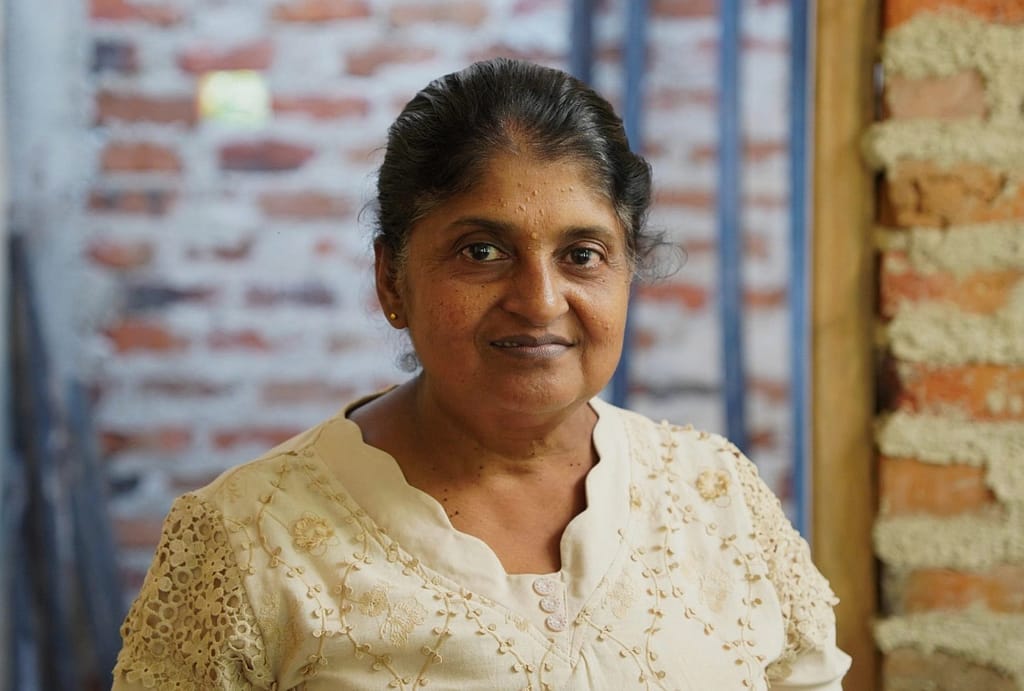
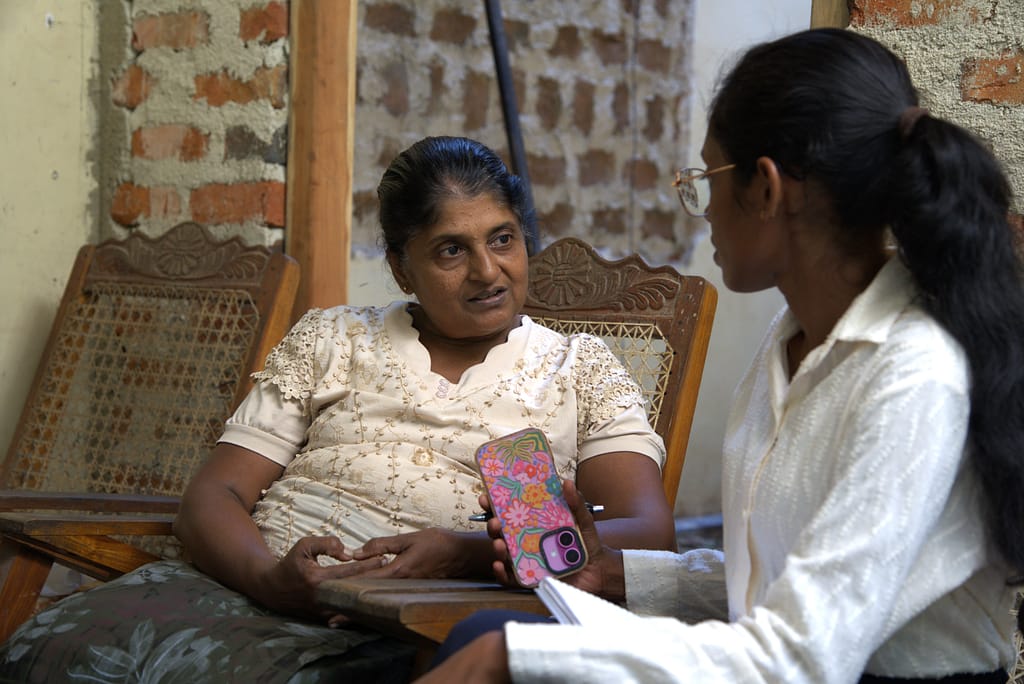
“We planned how to spray fertilizer and put soil, based on the climate advisory. That’s how we operationalized those activities,” said Sardha Dayanshani, secretary of the Aruna Farming Organization.
“Even having faced a disaster [Cyclone Ditwah], there was a growth in the harvest. This time it was more than 65 bushels. A harvest of more than 65 bushels is successful. In the previous Maha season, it was close to 60 bushels. This time, even with Ditwah, we came to that level.”
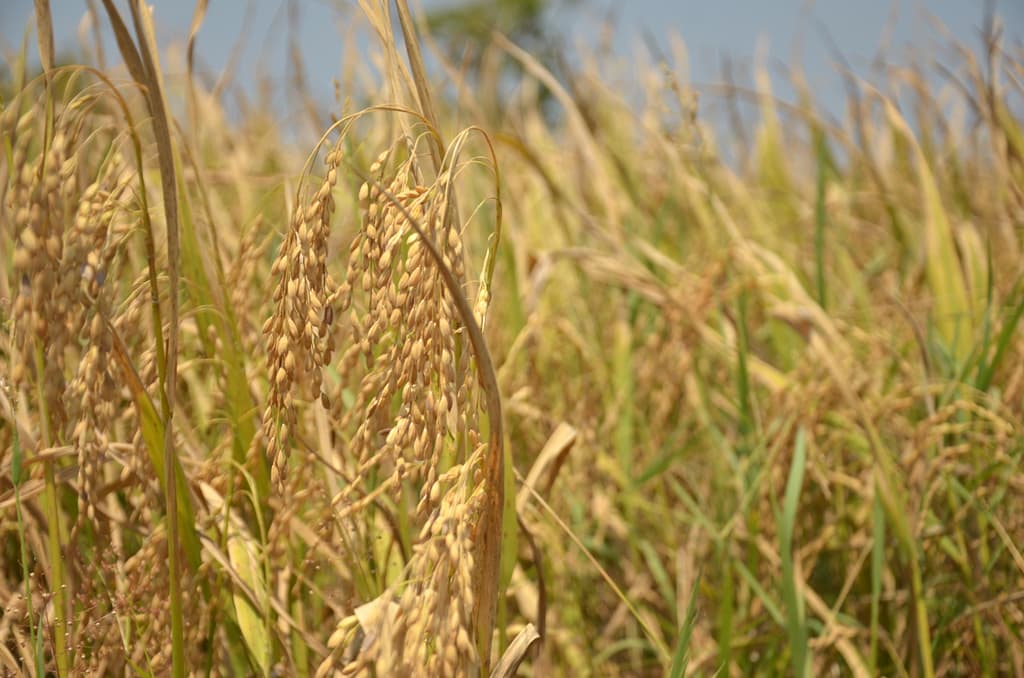
Paddy rice cultivation is among the most water-intensive agricultural practices, requiring prolonged flooding and placing significant pressure on river basins where it dominates. In Sri Lanka, rice is a dietary staple and central to food security, with domestic production meeting about 80% of national consumption.
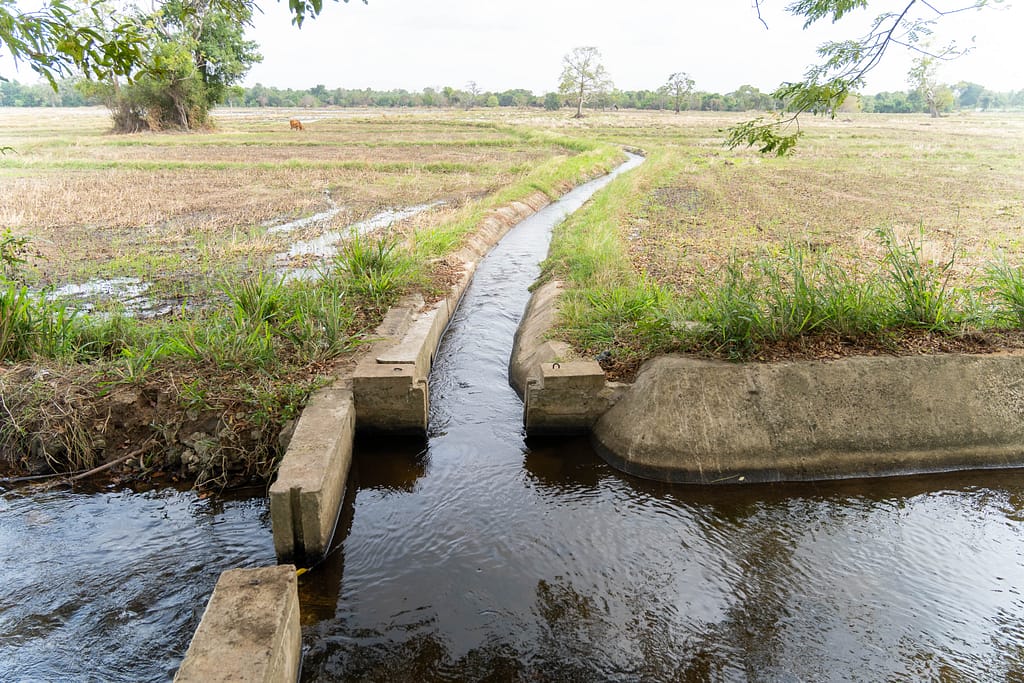
However, the country’s water efficiency in paddy cultivation is estimated at 30%. Limited irrigation technology and insufficient water management systems create water loss, which in turn increases water demand and stress among farmers. In Kurunegala, a district in the dry zone of Sri Lanka, water stress is particularly acute.
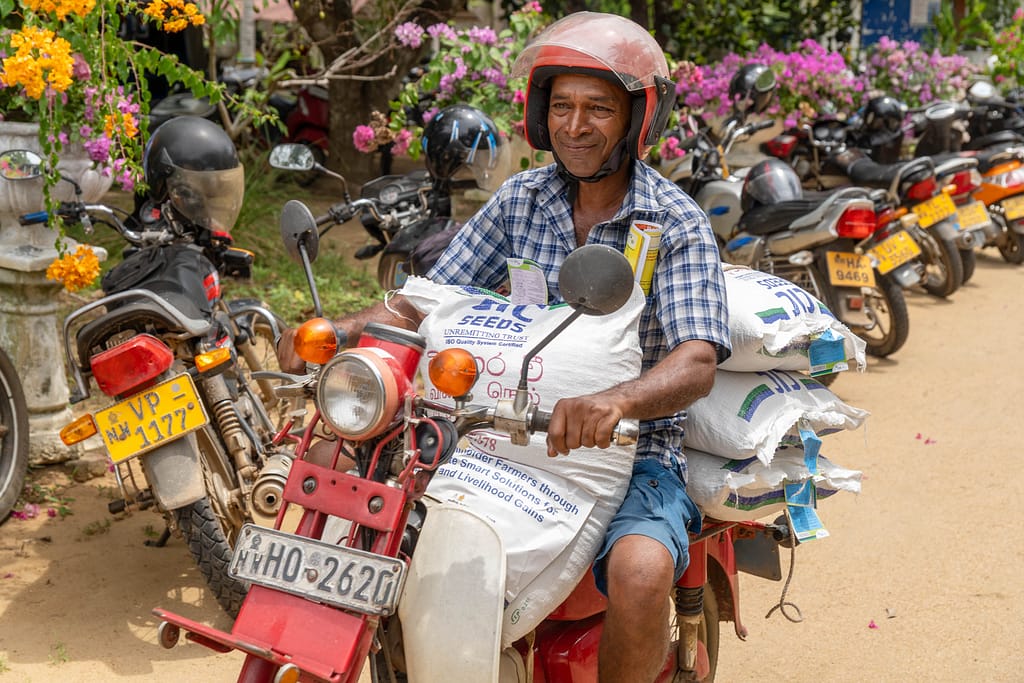
Confronting these challenges demands urgent, locally grounded adaptation. To support this, IWMI partnered with CIC Holdings PLC, a leading agribusiness in Sri Lanka, and the Department of Agrarian Development (DAD), which brought critical community and governance insights. Together with IWMI’s weather advisories, CIC field experts and high-yield seed paddy helped farmers boost yields by an additional 300 kilograms.
The high-yield seed variety was designed to boost productivity while remaining resilient to changing soil conditions and climate stresses, such as droughts and floods.
“The seed paddy was good; it was not mixed [with wild seeds and dirt]. We were able to get a good harvest. Everything was the same height and grew at the same pace,” said a farmer from Kurunegala, at a meeting with IWMI researchers.
These adaptation interventions are rooted in a participatory, data-driven approach. Prior to implementation, IWMI researchers engaged farm leaders and government officials in Kurunegala to identify local challenges, priorities and context-specific solutions.
“Scaling climate services, agricultural inputs and crop protection packages demands more than good science — it requires trusted public, private and farmer partnerships. Kurunegala shows this model can work across South Asia, Africa and beyond,” said IWMI Water Data for Climate Resilience Research Group Leader Giriraj Amarnath.
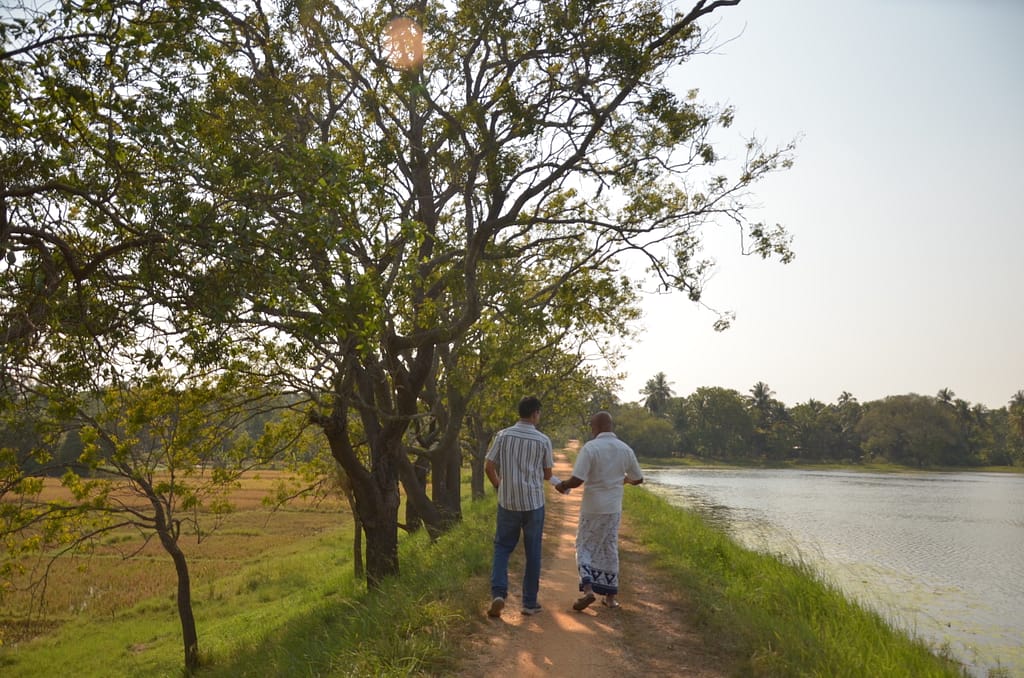
In March, after the harvest season, farmers provided feedback on the effectiveness of the weather advisory and high-yield seed variety, and shared lessons learned.

Most farmers reported that the advisories helped them plan around weather and climate forecasts, enabling more informed, modern farming practices. Farmers shared that they were able to allocate resources, including water and fertilizer more efficiently.
“The project was successful. We were able to move away from traditional systems and achieved better standards because of this project. We got a good harvest. My hope is for the next seasons, to get a bigger group of farmers to join this endeavor,” said C. Dayawathi, Agriculture research and production assistant.
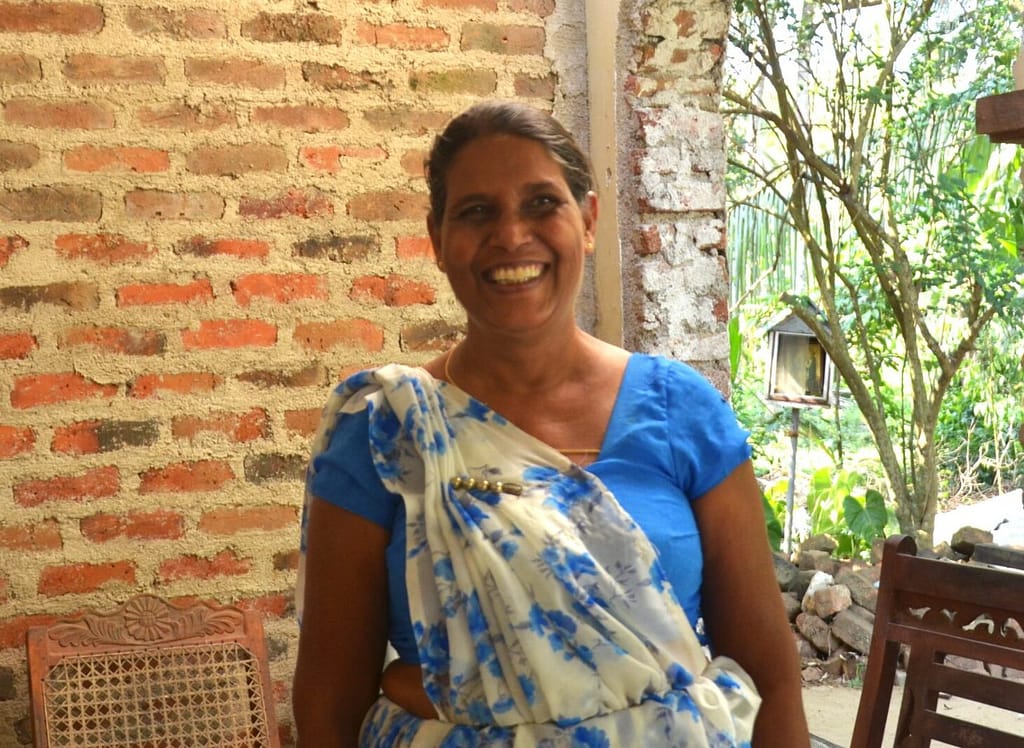
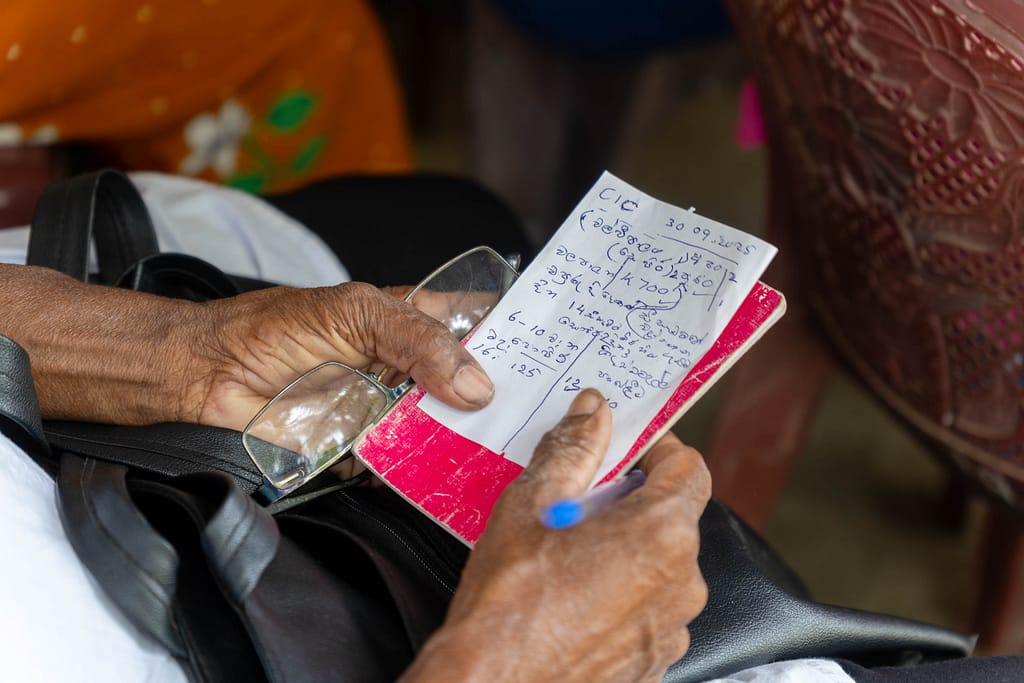
Farmers also raised concerns about access. While, weather advisories were delivered via SMS, not all had mobile phones. These gaps meant that not every farmer could benefit from the information.
Farmer groups also shared that access to weather advisories before the cultivation season begins could significantly shape their cropping decisions.
With advanced weather and climate forecasts, they said, they can decide whether to plant short- or long-term paddy. Choices directly impact yield and ultimately income. Long-duration paddy offers potentially higher returns, but only if rainfall is sufficient and well-timed. Knowing what to expect in the upcoming season would allow farmers to plan with greater confidence and make more informed decisions.
Through these discussions, additional challenges emerged, including poor infrastructure and difficult terrain. Both government officials and farmers highlighted the deteriorating canal systems, emphasizing the urgent need for proper maintenance to ensure reliable water flow and equitable distribution.

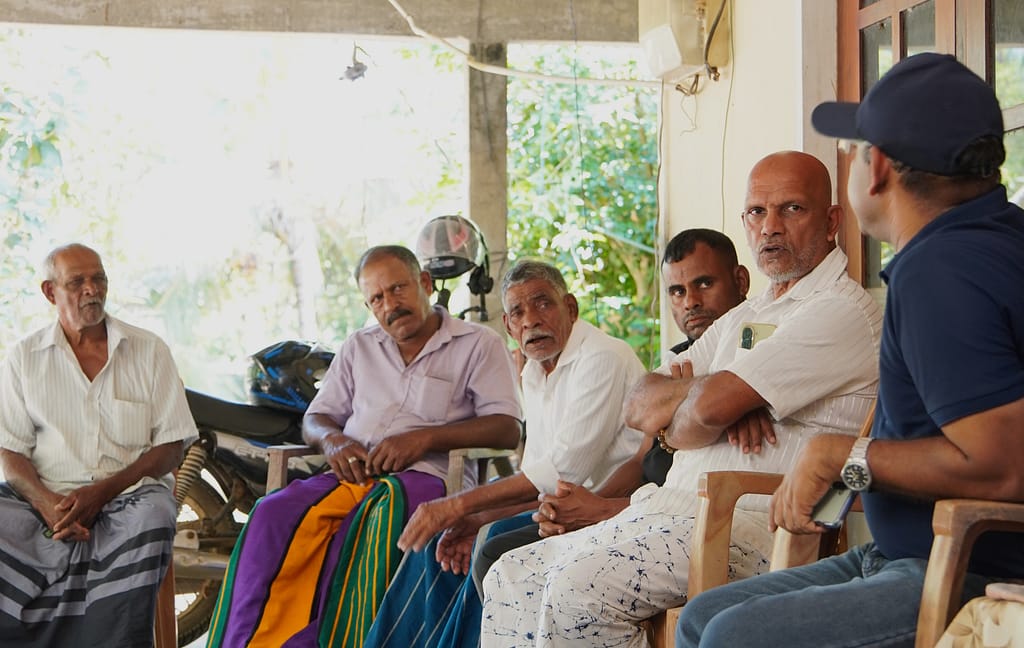

As climate patterns and hazards become more unreliable, technology — through weather advisories, quality seeds and climate-smart farming practices — provides valuable information for better decision-making.
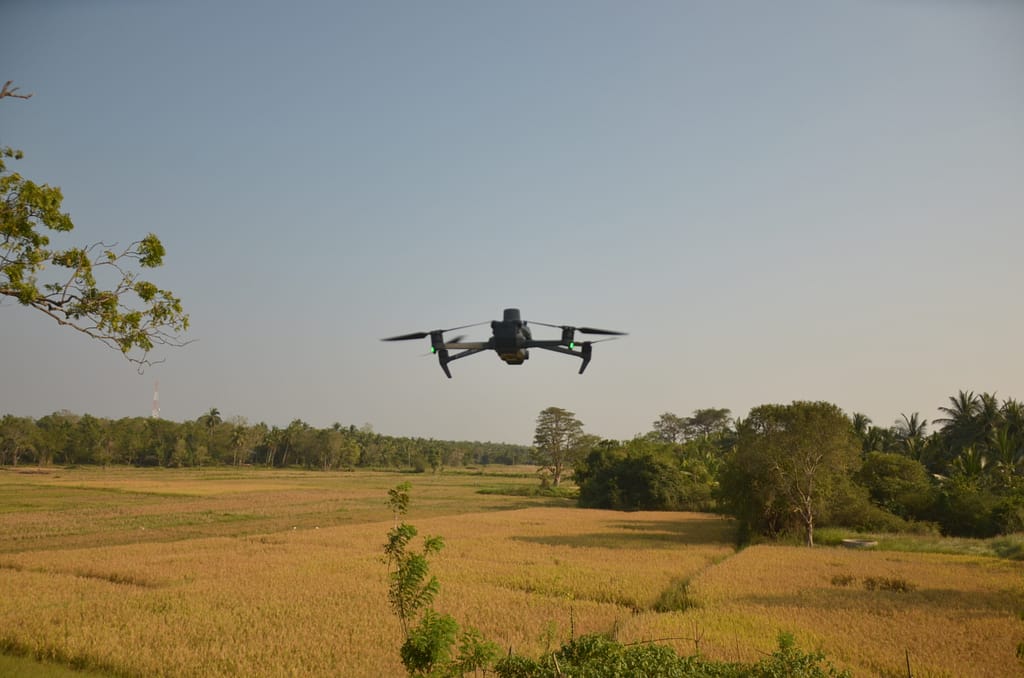
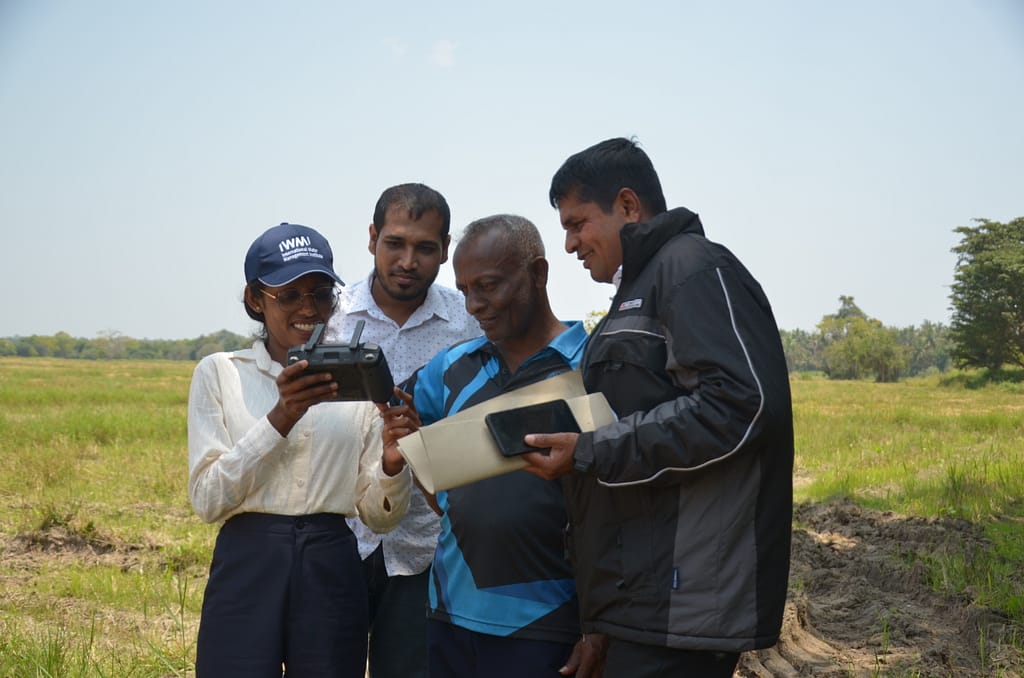
To build on these on-ground insights, IWMI researchers are mapping paddy fields within Sri Lanka using drone technology. This open-source data supports stronger, evidence-driven decision-making.
“Compared to last season, our income has increased,” said MNM Ratnasiri Bandara, “we would like to receive both the paddy seeds and climate information again next season.” For paddy farmers like Bandara and Swarnakumari, these adaptation measures are changing the game, paving the way for more income and steady harvests.