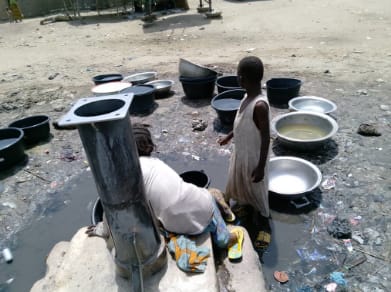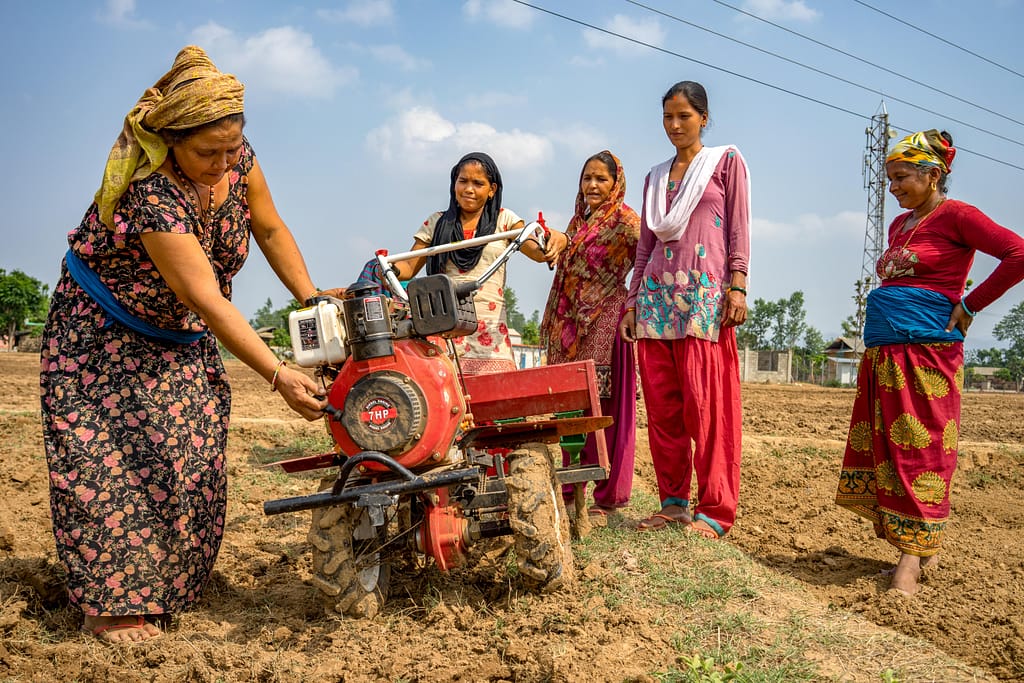
Think of norms as the landscape of social life. Norms are the unwritten rules that shape how we behave, who holds power, and what counts as “normal.” Once we learn this terrain, we default towards using the same well-worn paths even when those paths are inefficient or unjust. Norms quietly decide whose work is visible, whose knowledge counts and whose risks are treated as inevitable.
Some norms are surface-level, like who speaks first at a community water meeting. Others run deeper: who is expected to fetch water when supplies run low; who controls pumps, land, and repair budgets; whose environmental knowledge is treated as expertise or dismissed as anecdote.
But norms, like landscapes, are also not static. They erode, shift, and re-form across generations. Open dumping became unacceptable. Rainwater harvesting moved from fringe to policy priority. But many norms, especially gender norms, feel timeless, mistaken for biology rather than behaviors we’ve collectively learned and enforced across generations. The expectation that women prioritize caregiving over all else, that men control resources while women manage scarcity, that women should be cooperative, not confrontational. These are not natural laws. They are powerful, persistent and actively harm social constructions. They create uneven terrain in every sphere of life, including access to something as fundamental as water.
Climate resilience fails because harmful social norms act as gullies cutting through a floodplain
Water doesn’t flow evenly across societies. It follows channels carved by gender, class, conflict and power. Harmful norms deepen these channels over generations, steering resources and opportunity along predetermined paths — gullies worn into the social terrain, directing flow away from those who need it most.
When water resilience interventions are designed “upstream” — a new well system, a drought-resistant irrigation program, a watershed management initiative — and released “downstream” without reshaping the terrain beneath them, they flow through the same old gullies. The intervention rushes past women, carving exclusion deeper with each implementation cycle.
Over time, these gullies erode further. What began as a shallow channel becomes a ravine, then something so permanent it seems natural — the way of the world. Entrenched norms become a constant drag on climate resilience efforts, shaping who adopts new practices, how effectively projects are delivered and whether they can ever scale.
Consider drought early-warning systems. Information typically travels through channels women rarely access, such as radios they do not control, meetings held while they are away fetching water, mobile phones registered to husbands. Even when warnings reach them, women may lack the authority to buy food supplies, move livestock, or access emergency credit without a man’s permission. The information arrives too late, or not at all, for those who manage daily water shortages.
Or consider a flood resilience project that hires workers to build retention ponds and drainage systems. Jobs may be announced at times and locations women cannot reach. Work hours may be incompatible with childcare and water collection duties that norms assign exclusively to women. Pay is likely distributed to male heads of household. On paper, women have opportunity. In practice, they cannot access it. And when participation rates disappoint, poorly designed interventions quietly reinscribe the very norm they ignored: that women are not central to climate resilience.
Interventions that ignore gender norms are less effective
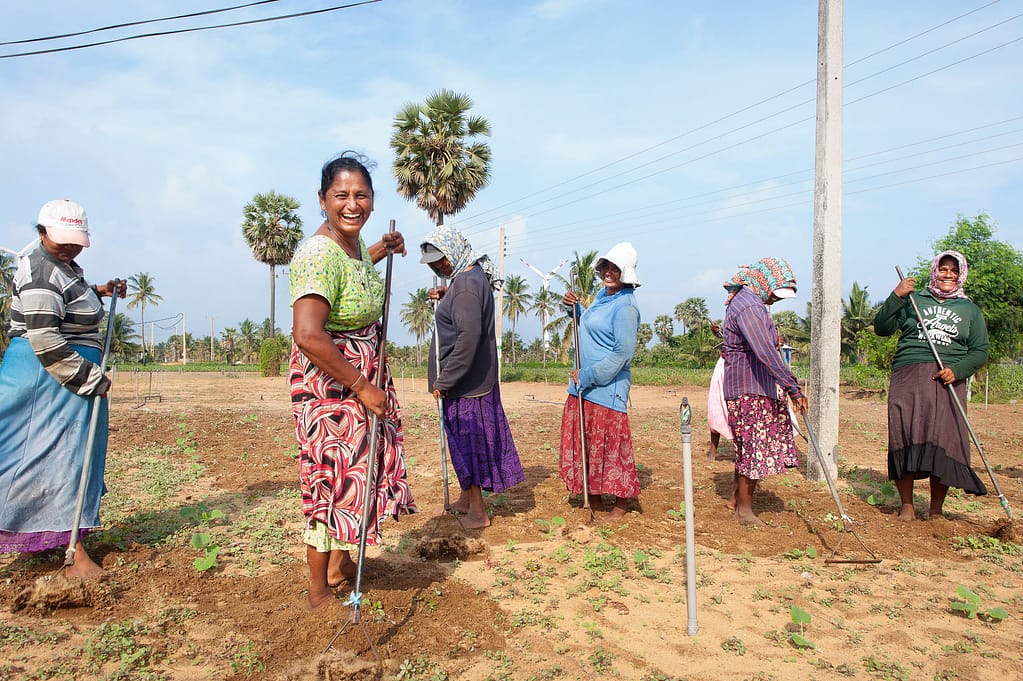
Projects that overlook gender norms operate at half-strength. When women cannot fully participate, implementation slows and weakens. Projects lose the knowledge women hold, the labor they could provide, and the trust their engagement would build. Communities may nod along in meetings but change nothing. Initiatives designed without understanding women’s lived realities generate suspicion and superficial compliance.
The consequences cascade. Slow implementation, weak buy-in, and reduced efficiency diminish the impact of interventions and lower returns on climate finance. When investments underperform, funders are less likely to support or scale programs that could otherwise strengthen community resilience. Thus, water resilience remains fragile, and the opportunity to build stronger systems slips further out of reach.
Investing in climate resilience without confronting harmful gender norms is not just incomplete; it is inefficient. The returns available when we target root causes are substantial. According to the What Works to Prevent Violence Against Women and Girls program, every €1 spent on preventing gender-based violence can yield up to €87 in economic returns, through reduced healthcare costs, lost productivity and long-term societal drag. Freed resources allow families and communities to better withstand droughts, floods and climate shocks.
Interventions must live and breathe with all the most important people
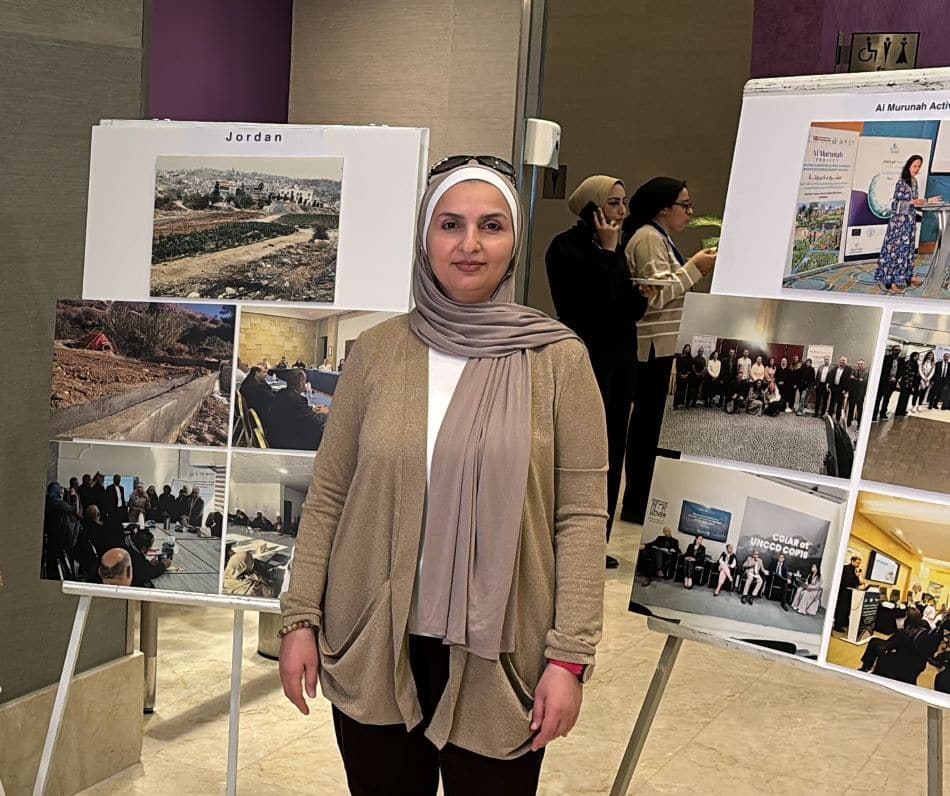
Climate resilience does not operate only in fields and watersheds. Al Murunah+, a UK Foreign, Commonwealth and Development Office (FCDO)-funded project integrating gender norms into nature-based solutions across the Middle East and North Africa region, links household-level social transformation, diversified community power structures, and more equitable economic arrangements to create the conditions for norm change. Household dialogues — facilitated, structured and deliberately direct — invite families to confront how decisions about water, resources, income, labor and risk are actually made. Economic interventions support women not merely as beneficiaries, but as agents with the capacity to navigate climate risk independently and durably.
A stream that leads to a better floodplain
Harmful gender norms are pervasive, and they fight back. But the same logic that makes negative norms so durable makes positive ones possible. What ultimately persists through well-designed interventions is not physical infrastructure or reporting manuals. It is facilitators who stay committed, institutions willing to sit with discomfort rather than deflect it, and economic pathways flexible enough to bend without breaking.
Building genuine climate resilience means reshaping the landscape itself, filling harmful gullies and opening new channels where resources can flow equitably. The terrain will resist. Gullies don’t fill themselves. But without this work, climate investments will continue rushing through the same old channels, leaving half the population behind, while we wonder why resilience efforts keep falling short.
A small stream can carve damage, but it can also create possibilities. It begins with a trickle. But over time, that trickle deepens, redirects flow, and transforms what is possible. The new paths, carved deliberately and tended patiently, can ultimately become the enduring ones.