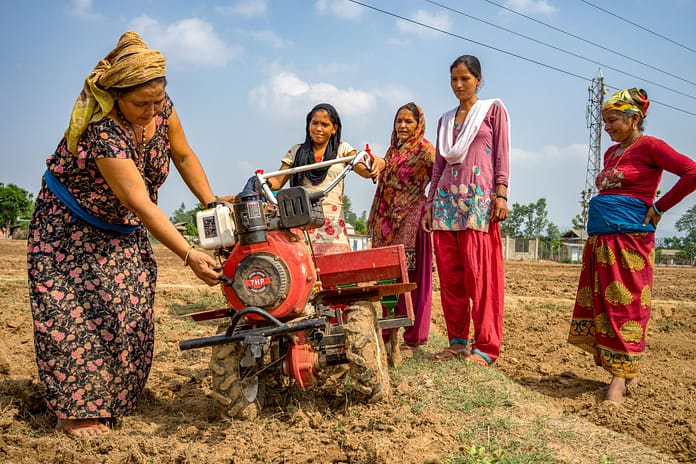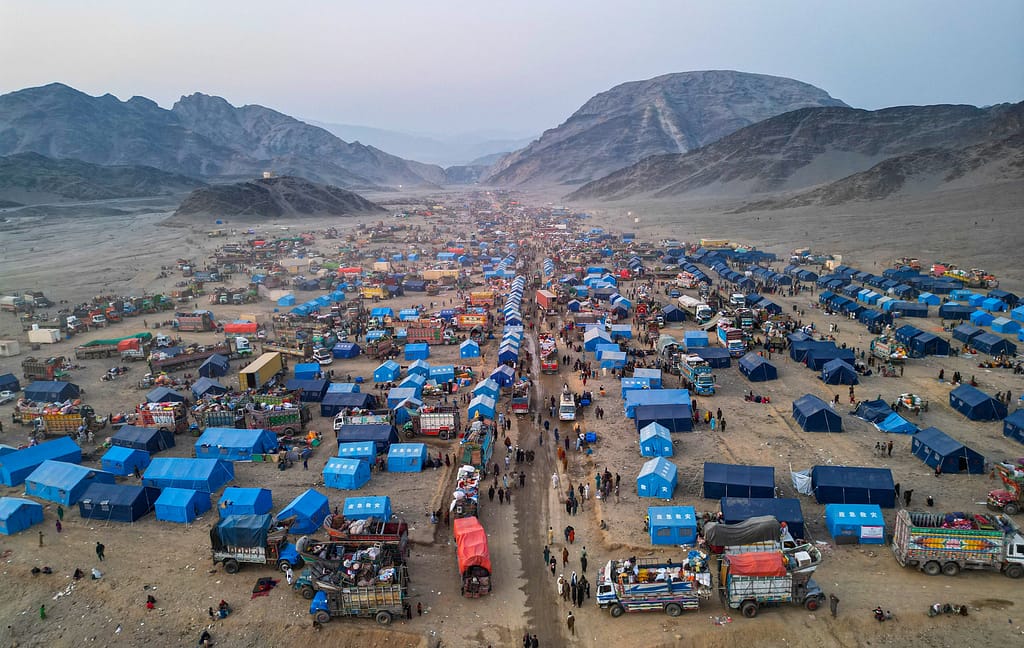
In fragile and conflict-affected regions, climate change is not a distant threat, it is unfolding here and now. Water shortages, droughts, floods and resource competition increasingly overlap with social instability and displacement.
During the International Water Management Institute’s (IWMI) Frontlines Learning Exchange (FLEX) series webinar on “Locally-led and Gender-responsive Climate Adaptation in Humanitarian Contexts”, stakeholders from frontline communities shared a central lesson: lasting resilience is built with, not for, those most at risk. Researchers, humanitarian workers and activists from Afghanistan, Bangladesh, Ethiopia, Pakistan, Palestine and Somalia shared examples of locally-led, gender-responsive climate adaptation in practice within their communities.
Amid worsening drought, Ethiopian communities steer water solutions
“Effective climate resilience emerges when communities lead adaptation efforts rather than relying solely on reactive aid. Inclusive governance, with active participation of women and youth, promotes equitable water use, coordinated cropping calendars and reduces conflict,” said Desta Gebremichael, the environmental rehabilitation and agricultural development lead at the Relief Society of Tigray (REST), a local non-governmental organization (NGO) in Ethiopia.
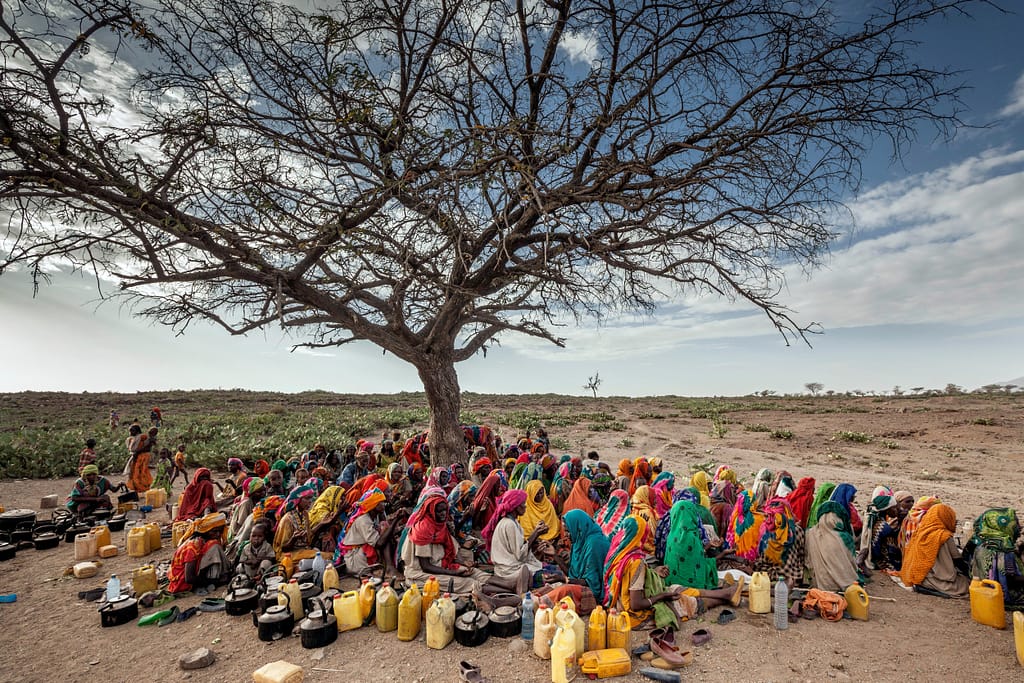
Working amidst rising food insecurity and growing social tensions over limited water resources, REST uses integrated water management to address agricultural productivity and social cohesion. Irrigation Water User Associations support integrated watershed development and contribute to local water governance.
These community-led structures bring together both men and women to decide how best to mitigate the impacts of droughts. This includes making decisions on rainwater harvesting for irrigation and drinking, setting crop calendars and selecting crops based on water availability. The associations also plan water allocations, mediate allocation-related disputes and establish early warning systems at the farmer level.
Centering women in Pakistan’s disaster response
Women and girls experience disasters differently and their voices must be included in decision-making. Understanding gender-related power dynamics within communities, using gender-disaggregated data and applying a feminist approach are essential for ensuring inclusive humanitarian action and supporting long-term community resilience.
IWMI’s researchers in Pakistan found that the digital gender divide hindered women’s equitable participation in disaster response planning and access to early warning alerts, deepening their marginalization within their communities and exacerbating their vulnerability. The study of the country’s flood-prone Rahim Yar Khan district found evidence that confirmed that cultural barriers to women’s ownership of mobile phones significantly increased their vulnerability during disaster events.
An earlier study, meanwhile, revealed that, in addition to heightened levels of gender-based violence and poor access to essential services, women and girls experience both food and water insecurity during climate-induced disasters. During Pakistan’s devastating 2022 floods, for example, approximately 640,000 adolescent girls were at risk of forced marriage and gender-based violence, while more than 600,000 pregnant women had no access to maternal health services and faced poor birthing conditions.
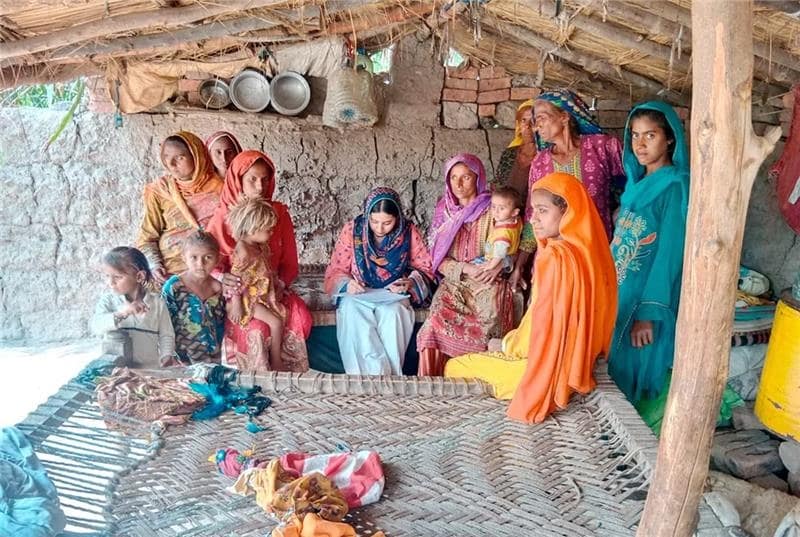
Grassroots water governance in Afghanistan, Bangladesh, Palestine, Pakistan and Somalia
The Humanitarian Climate Vulnerability and Capacity Analysis Tool, piloted by Islamic Relief across five countries — Afghanistan, Bangladesh, Palestine, Pakistan and Somalia — showcases the transformative impact of involving women and youth in disaster preparedness in fragile contexts. The tool helps communities actively map risks, identify hazards, select safe spaces and influence budget decisions. This enables more inclusive and equitable responses, stronger ownership and enhanced resilience.
“When women and youth are actively engaged in disaster preparedness and water governance, communities not only respond more effectively to crises but also build stronger, inclusive and sustainable resilience for the future,” said Zaman Shamsuzzaman, Humanitarian Program Manager of Islamic Relief in Bangladesh.
The webinar also provided a platform for the Executive Director of the Palestinian Hydrology Group in Ramla, Ayman Rabi, to share insights on the urgent need to support local water governance amid movement restrictions, infrastructure damage and displacement. “We need community water committees with 40–50% women and youth representation, safe meeting spaces, digital engagement, intergenerational learning and conflict-sensitive facilitation,” said Rabi.
A call to action beyond survival for communities to thrive with dignity
“Communities possess knowledge, vision and solutions, yet without resources and decision-making authority, these cannot be scaled to meet the challenges they face,” said Anam Rathor, a youth climate leader from Pakistan emphasizing that financing and institutional support remain critical gaps for communities living in fragile and conflict settings.
Bridging the gap between immediate response and long-term development is essential to build lasting community resilience. Emergency financing often exists, but proactive measures can dramatically reduce risks and strengthen adaptive capacity in vulnerable settings. Students, households and local committees actively monitoring and responding to climate and water risks become leaders, shaping their own adaptation pathways. Private sector participation can amplify resilience efforts. Through capacity building, technology transfer and financial support, companies in marginal or high-risk areas can meaningfully contribute to community-led adaptation initiatives.
“Donors must also operate as learning organizations, integrating field insights into program design to create environments where local leaders drive climate-smart water adaptation in fragile settings,” said Lucien Blandenier, regional advisor for Water, Climate, Environment and Disaster Risk Reduction at the Swiss Agency for Development and Cooperation (SDC), stressing the importance of bottom-up governance models, such as water user associations, to elevate women’s and youth voices into policy processes. Bridging the humanitarian-development divide requires flexible, multi-year funding from donors that addresses both immediate crises and long-term climate impacts.
Moving forward, these discussions must translate into concrete action. “Resilience begins with communities at the center. Creating conditions that allow them to thrive with dignity, hope and agency — supported by flexible financing, inclusive governance and cross-sector partnerships — is paramount,” said Johan Gely, Asia Director for Research Impact at IWMI.
True resilience begins when those most affected lead solutions. Only then can communities thrive with dignity, hope and lasting adaptive capacity.