

Why is it so difficult to transform food systems? In a world shaped by climate uncertainty, resource competition and rising inequality, innovation on its own is no longer enough. Even the most promising technologies designed to strengthen food and water systems often lose momentum once they move beyond the pilot stage.
The challenge is not the innovation itself, but the system in which it operates. Scaling is often seen as replication, meaning counting users, households or regions reached. But true scaling is about transformation. It is about creating the conditions that allow innovations to take root, adapt and thrive within complex social, ecological, political and economic realities.
Food systems are messy ecosystems of their own. Farmers, traders, financiers, policymakers and researchers all shape how innovations evolve. A new solar-powered irrigation pump, for instance, depends not only on price and efficiency but also on farmers’ access to credit, availability of water sources, local water governance, gender and social norms as well as regulatory frameworks. What works in northern Ghana might falter in Ethiopia under different institutional or social dynamics.
To scale effectively, we need to see scaling not as a destination, but as a journey of adaptation.
A compass to guide innovators to scale and transform
To address this gap between pilot and scale, researchers at the International Water Management Institute (IWMI) developed the Adaptive Scaling Ecosystem (ASEco) framework to bridge innovation and system transformation.
ASEco reframes scaling as a process of co-evolution between people and their contexts, technologies, markets and institutions. It integrates “system-based scaling,” which treats scaling as part of a system of interconnected structures and mechanisms, with “innovation ecosystem thinking” which emphasizes networks and relationships, learning and collaboration between actors.
In other words, ASEco is designed to navigate food system complexity for transformation. Rather than simply copy-pasting a pilot innovation everywhere, ASEco recognizes that the systems — environment, actors, institutions, functions — change. Therefore, the scaling needs to adapt and co-evolve with the system. If an innovation works in one place, ASEco helps you expand it to more places, or deeper into an existing system, by considering the system dynamics across institutions, policies and actors.
Rather than offering a prescriptive path, ASEco acts as a compass to guide innovators, decision-makers and private sector actors in navigating complexity, identifying leverage points and fostering collective action.
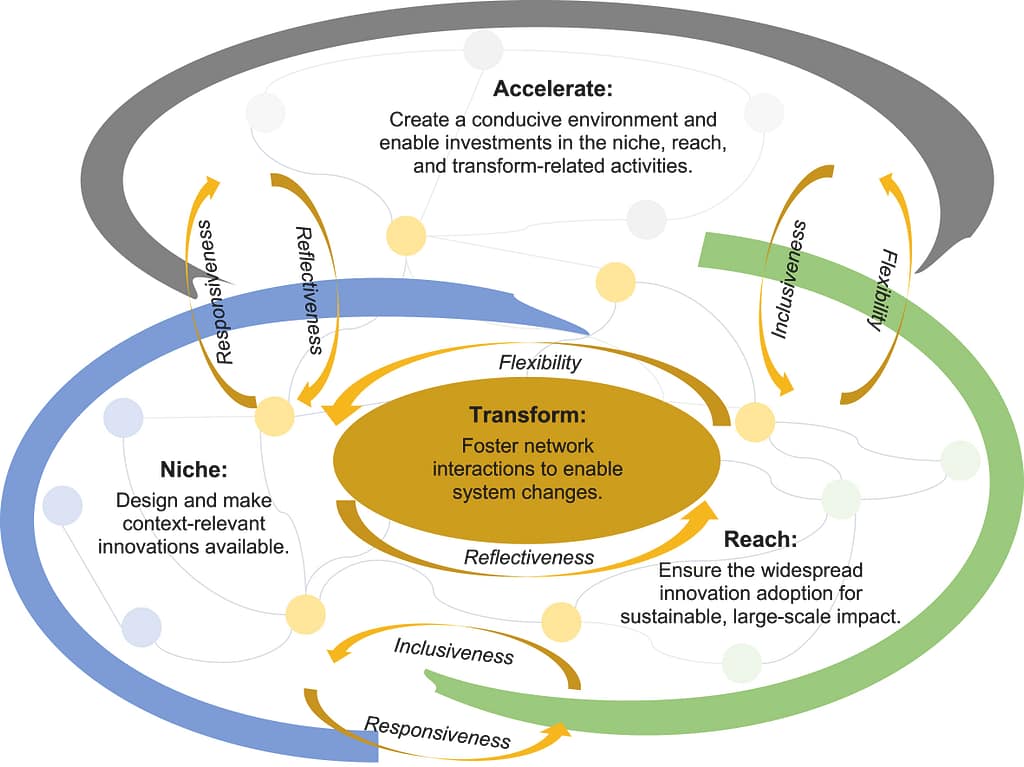
The ASEco framework is organized around four core functions and guiding principles — niche, accelerate, reach and transform — that support continuous learning and adaptation as innovations interact with the systems around them. “Niche” protects spaces to develop, test and refine innovations and the networks that support them. “Reach” localizes and contextualizes innovations for broad adoption, aligning business models and investments to diverse user needs and bottom-of-the-pyramid segments. “Accelerate” enables conditions and brokering, such as policy alignment, finance, capacity and digital infrastructure that de-risk and crowd-in investment. “Transform” integrates the innovation across networks and processes to modify governance, norms and operational mechanisms, building adaptive management capabilities.
From scaling in farmer-led irrigation to an ecosystem-wide framework
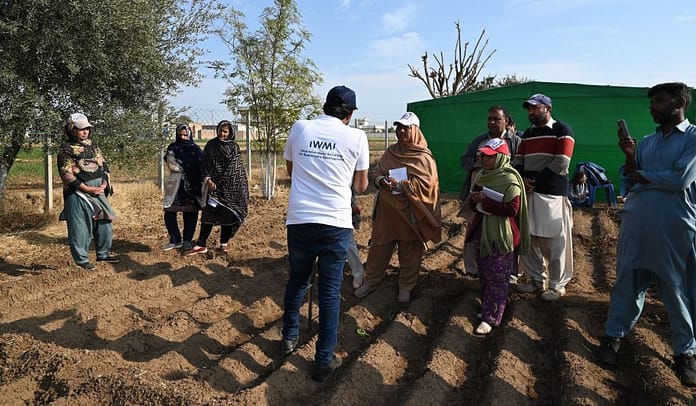
The foundations of the ASEco framework are grounded in over two decades of IWMI’s work in scaling agricultural water solutions, circular economy business models and solar-based farmer-led irrigation development (S-FLID) across Asia and Africa. Farmer-led irrigation development — or FLID — is a process characterized by the farmers’ agency in driving their own irrigation investment and decision-making with the potential to accelerate food security, income diversification and resilience in the region.
To develop the ASEco framework, IWMI researchers examined adaptive scaling in the context of S-FLID, bundling climate-smart agriculture and climate information services and agroecological transition practices. They also explored the networks and interactions among a wide range of system actors, including farmers, private-sector partners, local government agencies and donor organizations.
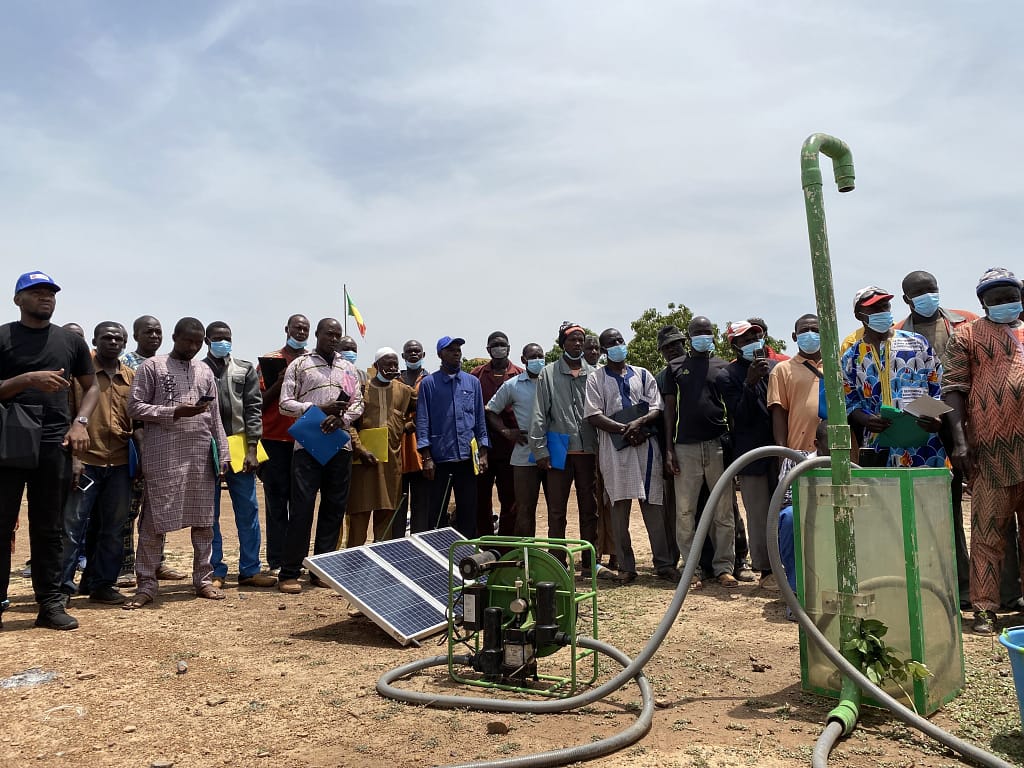
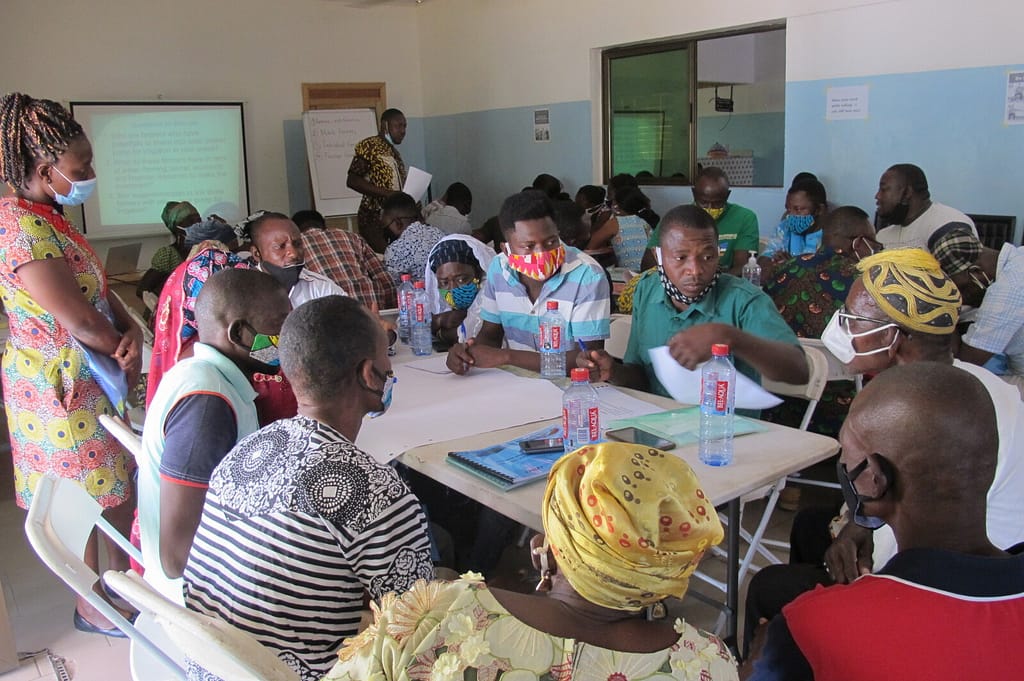
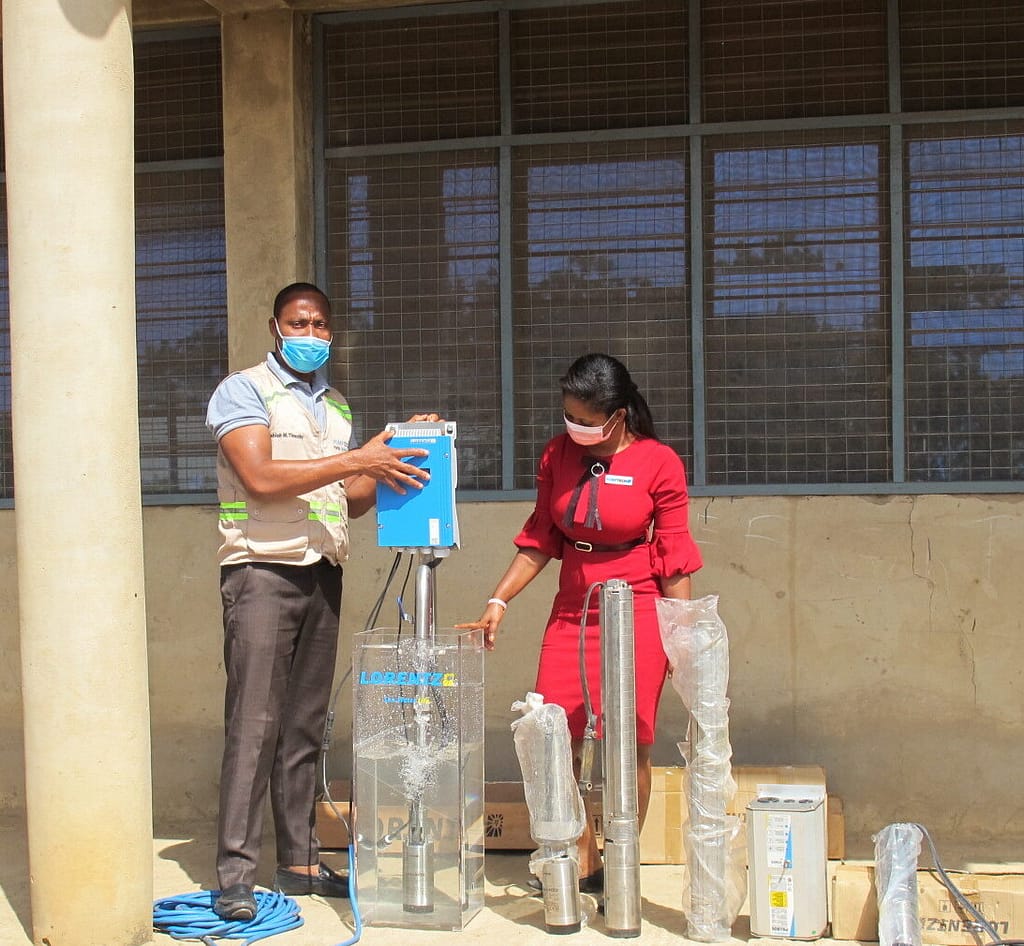
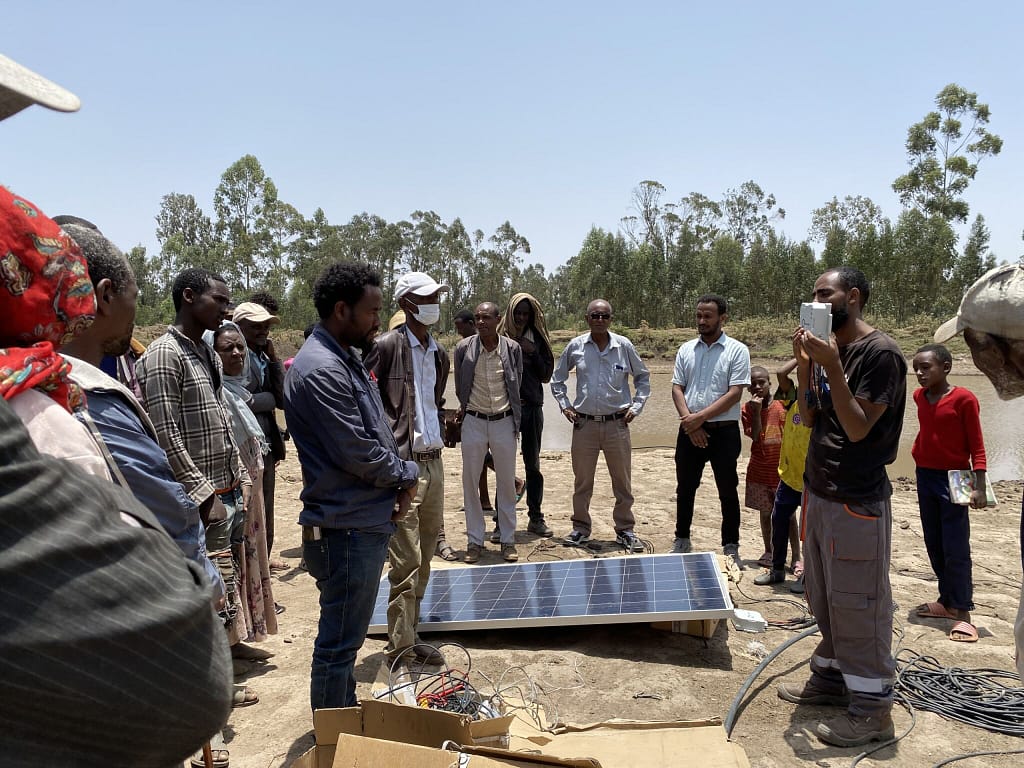
For example, across sub-Saharan Africa, researchers observed that the uptake of farmer-led irrigation development remained slow, despite over nine million hectares of land being suitable for FLID and numerous successful pilots and development efforts. Progress stalled in part because financing, policy and markets were still catching up, while social tensions around land and water, coupled with the growing risk of groundwater depletion, added further complexity.
FLID was a systems challenge that depended on the interplay between markets, finance, governance, social norms and natural resources for successful scale-up. Scaling irrigation solutions to accelerate FLID therefore, required a system-based approach capable of navigating complex interdependencies. The Adaptive Systems Ecosystems framework provides this approach, helping actors move beyond products or technologies to achieve impact at scale through systems thinking — by connecting the dots between innovations, institutions and the enabling conditions that make transformation possible.
Reaching scale across Asia and Africa
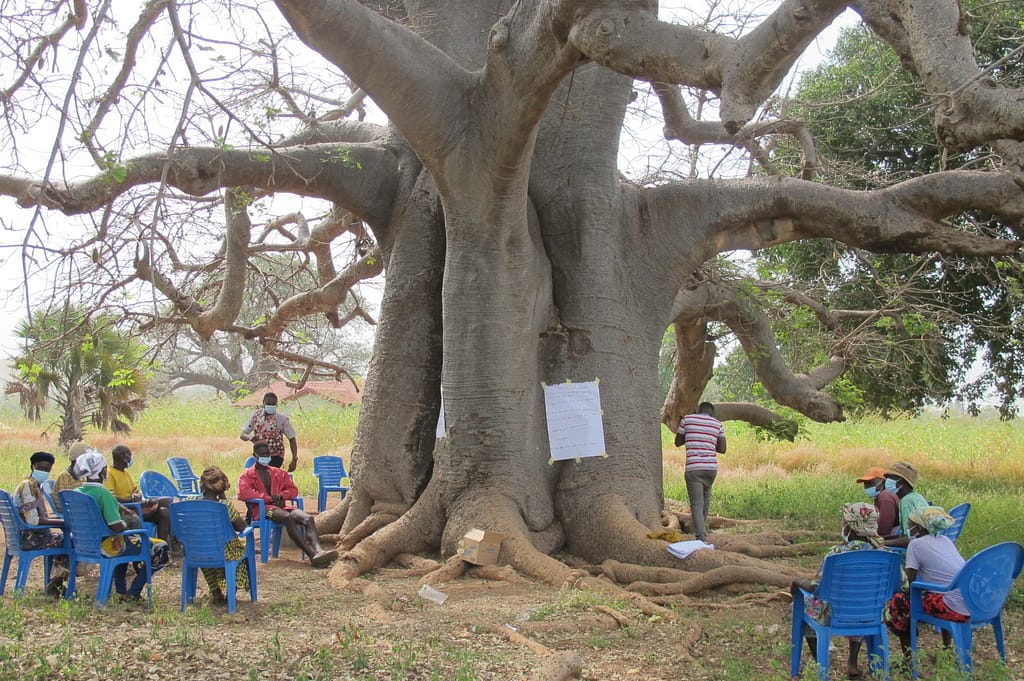
IWMI researchers have been working to scale FLID across Asia and Africa using the ASEco framework, and the results are significant. The Adaptive Scaling Ecosystem framework has supported over 15 projects and six initiatives across six countries, creating new opportunities for engagement with the private sector and new financing pathways.
Through exercising the ASEco framework, IWMI and partners have helped unlock more than $1 million in private-sector co-investment and leveraged an additional $500,000 in agricultural financing for smallholder farmers. IWMI also informed the new World Bank approach of result-based financing for FLID with the World Bank’s first financing facility under development in Nigeria (approximately $50 million), and $1 million in impact investments from the Lorentz and Shell Foundations in West Africa. Beyond technology adoption, ASEco has also strengthened local innovation ecosystems and promoted clean energy and water-efficient irrigation practices in Africa — Ethiopia, Ghana, Mali and Zambia — and in Asia — Bangladesh, Cambodia, Indonesia, Nepal and Vietnam.
Transformation through adaptive scaling processes
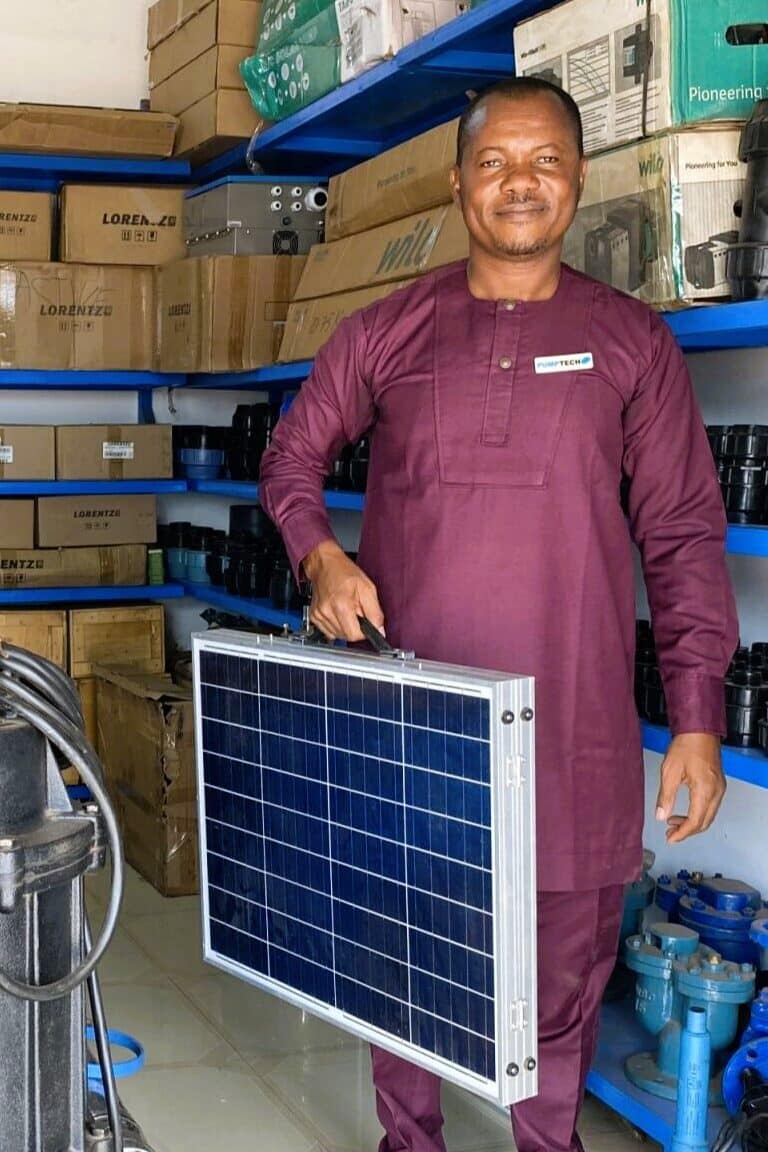
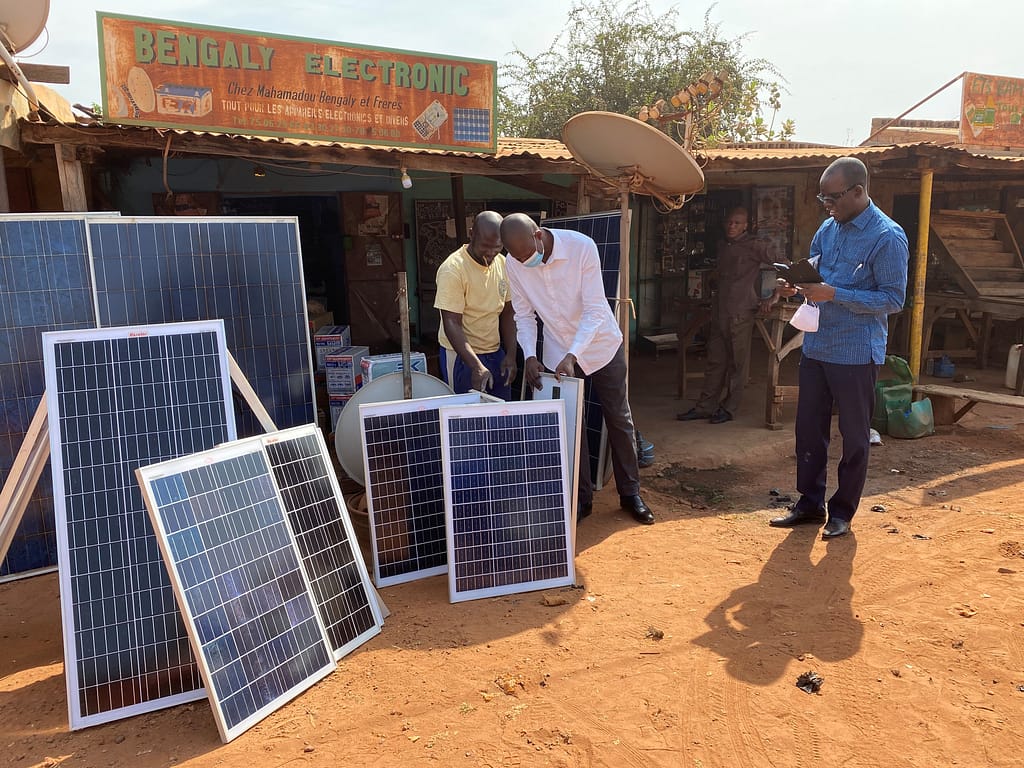
In the last five years, IWMI has been testing and improving the ASEco framework through solar-powered farmer-led irrigation in Ghana, Mali and Ethiopia. Each country presented a unique set of challenging and enabling conditions. For example, in Ghana, strong solar potential and active value chains drove progress despite high costs and limited credit. In comparison, in Ethiopia, government support and tax incentives helped offset market control and foreign exchange shortages. However, in Mali, weak agribusiness networks slowed progress, though local demand for solar solutions remained strong.

Through ASEco, the process moved from testing pay-as-you-go solar models (niche), to expanding through local distributors and cooperatives (reach), aligning policies and finance mechanisms (accelerate), and embedding solar irrigation into national strategies (transform). Beyond technology adoption, jobs have been created for youth and women, clean energy was promoted and policy reform was achieved.
This year, ASEco is being applied in Kenya through IWMI’s partnership with SunCulture, which aims to scale solar irrigation for climate-resilient agriculture and safeguard local water resources.
As global food systems face growing uncertainty, from climate extremes to market disruptions, the ability to scale innovations adaptively will define the resilience of communities and ecosystems alike. ASEco offers a new compass for navigating complexity and unpredictable change, rooted in learning, collaboration and transformation.
ASEco’s future applications extend far beyond irrigation, from regenerative agriculture and circular water economies to climate-smart value chains. Wherever complexity exists, ASEco can help chart the way forward.
Adaptive scaling ecosystem for system transformation: operationalizing solar-based farmer-led irrigation in Sub-Saharan Africa