
Community members across the Limpopo River Basin are stepping up as the eyes and ears of water management. The Limpopo, Southern Africa’s fourth largest international basin shared by Botswana, Mozambique, South Africa and Zimbabwe, sits at the heart of the region’s push for sustainable development — making joint water monitoring essential. However, sparse hydrological data, uneven monitoring infrastructure and limited institutional capacity make collecting data across national borders a persistent challenge. Against this backdrop, citizen science offers an opportunity to expand data coverage by engaging local communities as active stakeholders of transboundary water stewardship.
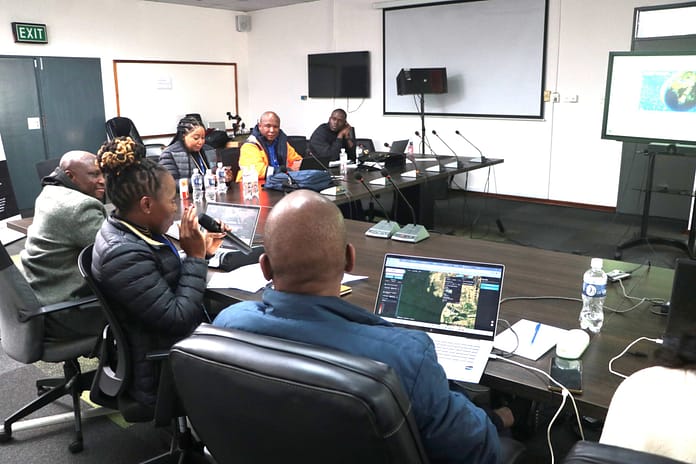
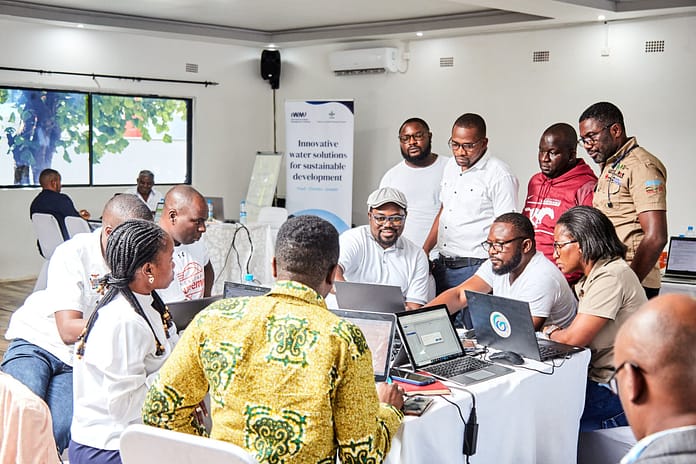
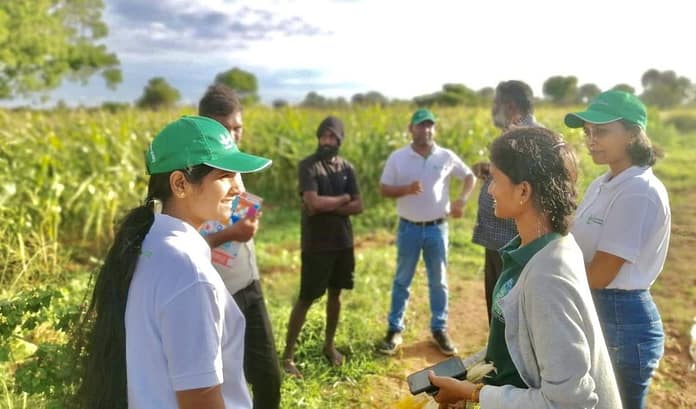
Through the International Water Management Institute’s (IWMI) Limpopo Digital Twin — a digital replica of the river basin designed to help countries manage shared water resources — community members in the basin learnt about citizen science. In August and September of this year, a series of train-the-trainers’ workshops and research fieldwork equipped local communities with the skills and tools to monitor water quality.
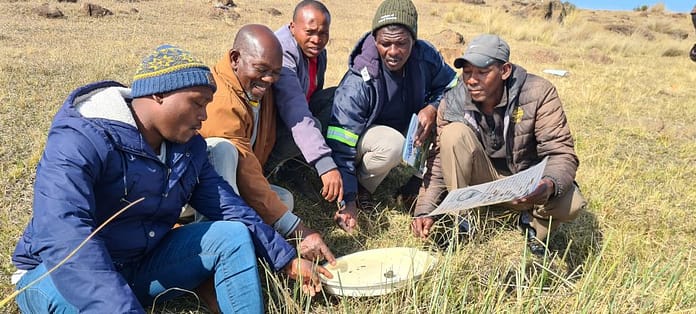
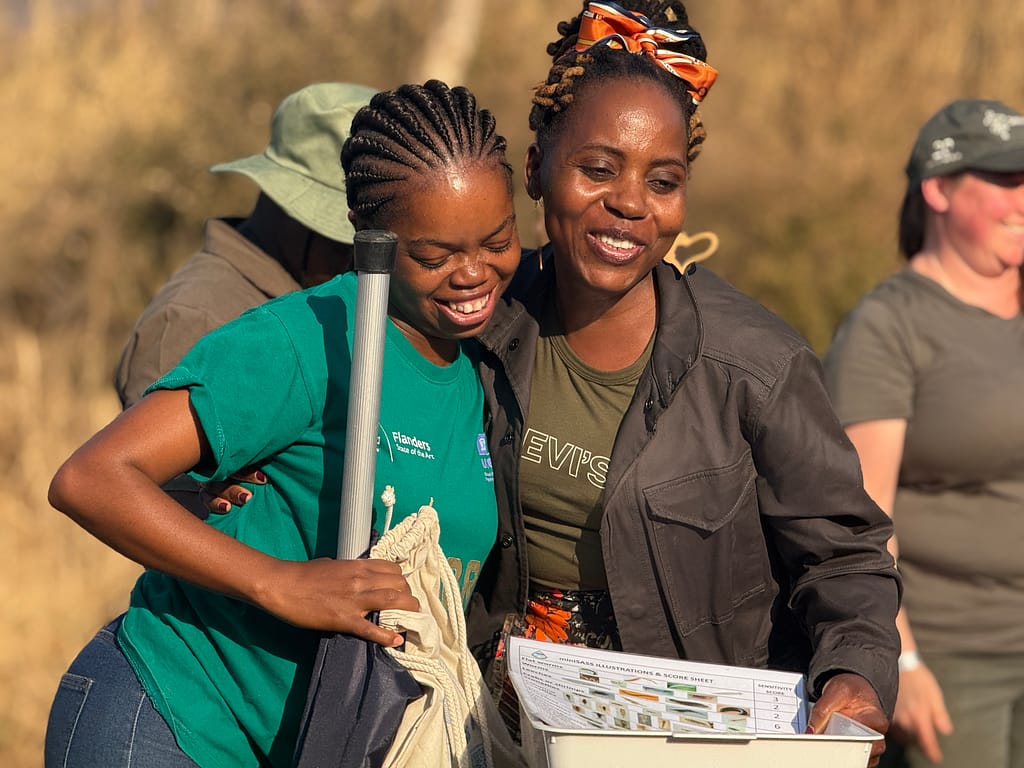
Community members received hands-on training on three citizen science tools — clarity tubes for measuring turbidity, miniSASS to measure biological parameters for river health and the velocity plank to measure the physical parameters of rivers and streams. Through fieldwork IWMI researchers assessed the digital inclusivity of citizen science tools, examining how accessible and effective digital tools were across different communities. To support continued engagement, participating communities received the required equipment to carry out the work, ensuring that monitoring activities are sustained beyond the training sessions.

The Limpopo River Basin Digital Twin is a dynamic, data-driven platform that integrates diverse information sources to support real-time decision-making across the basin. Within this system, citizen scientists play a crucial role by contributing local data on water quality, flow levels and ecosystem indicators that complement official datasets and fill critical gaps.
Such community-generated data is stored in a shared database and accessed by the Digital Twin through Application Programming Interfaces (APIs) that enable smooth integration with other monitoring systems. Critically, citizen observations capture localized data on subtle shifts in streams, tributaries or water use patterns that might otherwise go unnoticed. These nuanced data inputs enrich basin-wide models with insights grounded in local experience while strengthening the overall accuracy and relevance of the Digital Twin.
IWMI also helped build stronger relationships between local citizen scientists, community-based organizations and national water authorities. Trusted and transparent communication among stakeholders is essential to sustaining data inputs to the Digital Twin after project close.
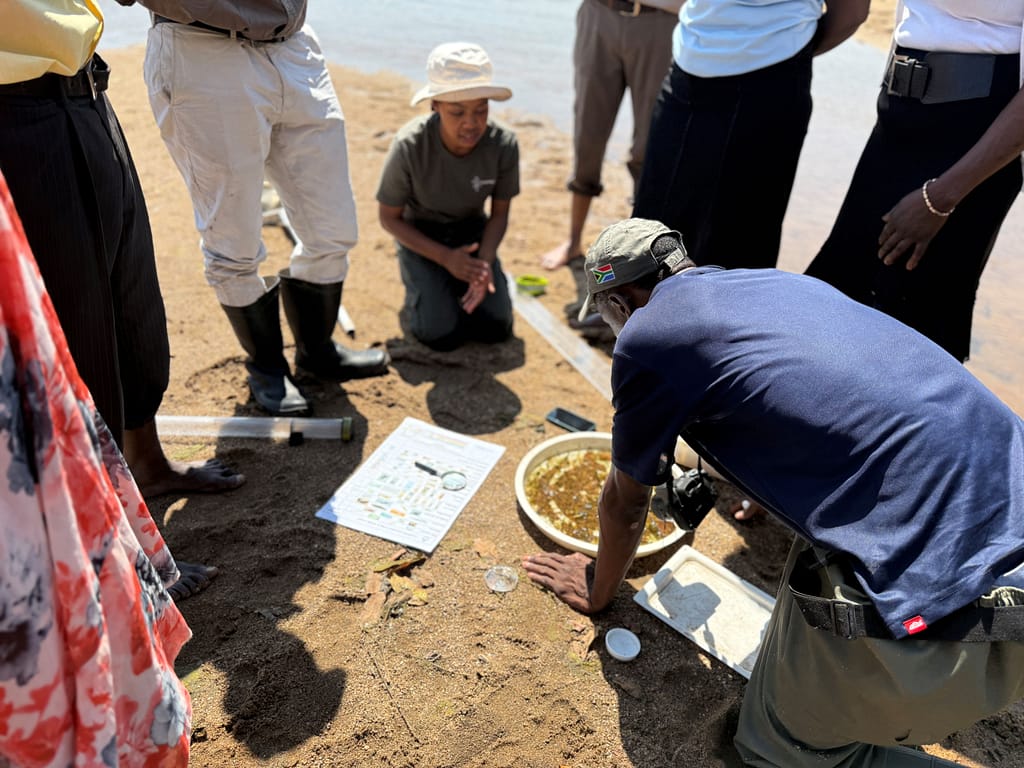
“My motivation is helping my community members understand their environmental impact and how our actions affect water and land pollution,” said a citizen scientist from the Ga-Boelang village in South Africa, as participants reflected on what drives them to stay engaged in citizen science. These reflections offer key insights for designing recognition systems that make citizens feel valued and inspire long-term participation in future initiatives.
In essence, citizen science creates new data, and when scientifically validated, has the potential to enhance the reliability of the Digital Twin. For example, local observations can flag water quality problems or flow changes faster, allowing near real-time responses through anticipatory action. Data collected by citizens, once validated, strengthens evidence for decision-makers, especially in contexts where official networks are sparse. Community engagement through active involvement fosters trust between communities and water managers, bridging the gap between top-down governance and bottom-up action. Finally, prioritizing equity by giving local actors a role in monitoring ensures that marginalized groups also shape water governance.
A citizen science blueprint for other river basins

The experience of the Limpopo River Basin offers transferable lessons for other transboundary or national river basins. It makes clear that effective citizen-based water monitoring is as much about process and people as it is about data.
To ensure sustainability, it is crucial to invest in local trainers. When community leaders and practitioners are empowered to teach and guide others, it builds lasting capacity, creating ownership and continuity that extends well beyond any single project. Local volunteers are also vital to this process, and their contributions thrive when recognized and supported through peer networks and shared learning.
To make sure that data can be effectively compared and integrated across regions, it is key to align monitoring protocols from the start of data collection. Establishing common standards provides a stronger foundation for collaborative decision-making.
Furthermore, embedding citizen-generated data into digital systems turns local observations into a basin-wide, more dynamic picture of water resources.
While the core model of citizen engagement in the Limpopo River Basin can be replicated elsewhere, success depends on adapting to each basin’s unique hydrology, institutions and community contexts.
IWMI researchers, community members and water manager agree: citizen science is not just about data collection, but about reshaping the relationship between people, science and governance. By building capacity at multiple levels, linking grassroots monitoring with cutting-edge digital platforms, and fostering collaboration across borders, the initiative offers a blueprint for participatory water management in Africa and beyond.