

Technological progress builds upon itself. An invention in one domain often sparks breakthroughs in another, and networks sit at the crux of this expansion. Within CGIAR, eleven centers form such a network with a bastion of expertise in using and innovating artificial intelligence (AI) for research.
Each of these centers are integrating AI into their work — from rice at the International Rice Research Institute (IRRI), livestock at the International Livestock Research Institute (ILRI), tropical forests at the International Institute of Tropical Agriculture (IITA), to water at the International Water Management Institute (IWMI) — to shorten the path from data to insight and surface findings that were previously out of reach.
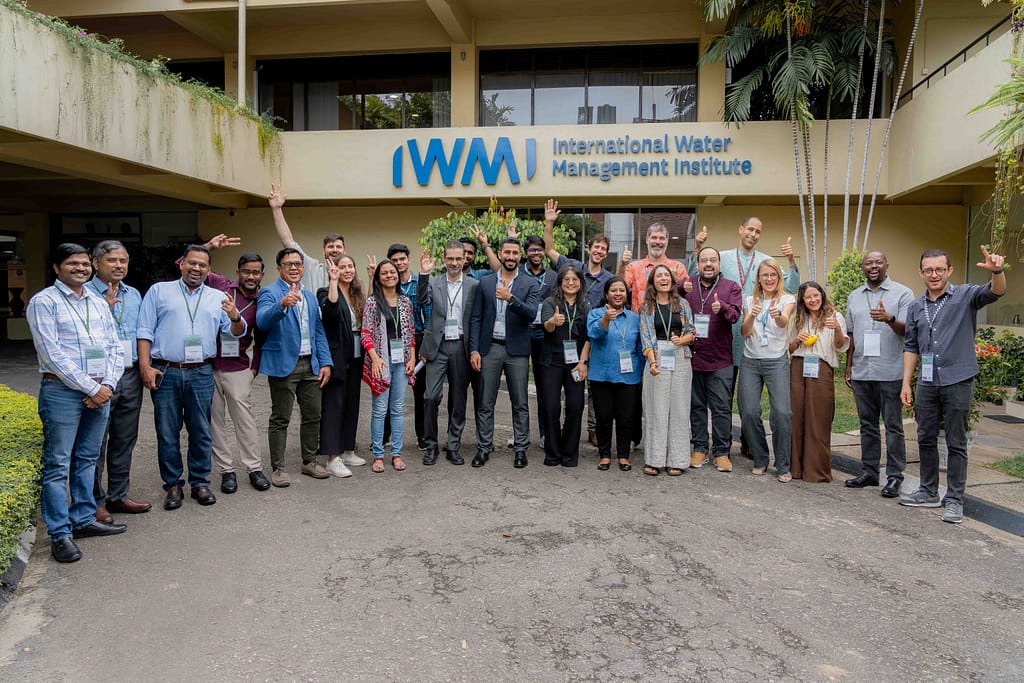
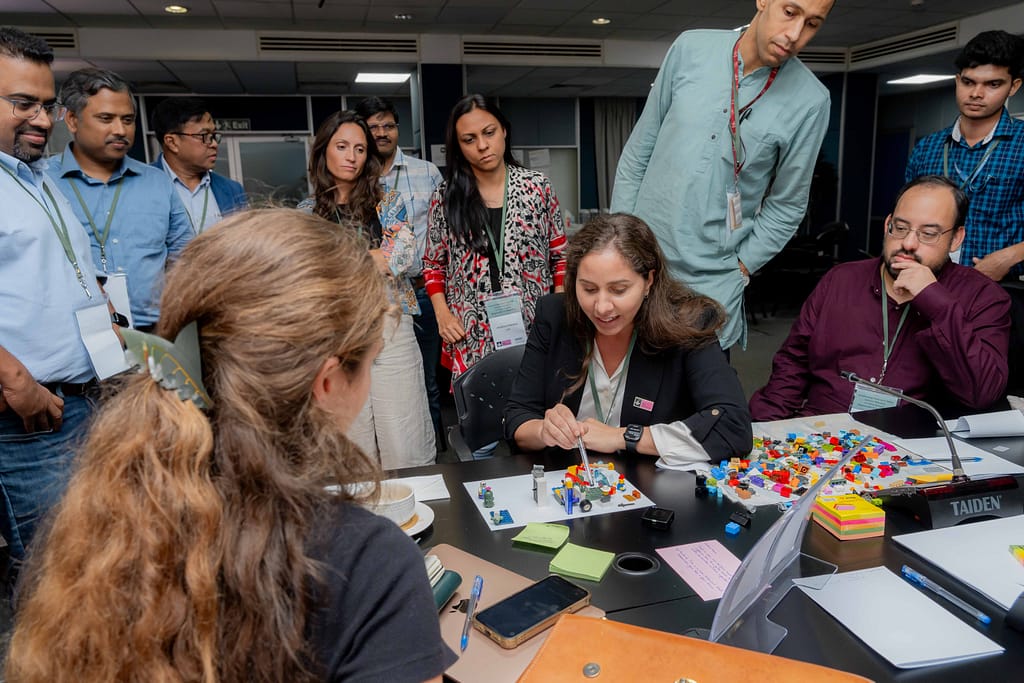
But a network does not automatically generate innovation. Networks require deliberate connection and collective action to bridge siloes and galvanize ideas. To create new AI innovations to accelerate CGIAR’s goal of addressing poverty, hunger and environmental degradation, IWMI and Alliance of Bioversity International and the International Center for Tropical Agriculture (CIAT) hosted researchers from ten centers within the CGIAR network in Colombo, Sri Lanka around a singular idea: a co-scientist.
An AI co-scientist designed by scientists for scientists
A co-scientist is an AI system designed to assist researchers in generating hypotheses and streamlining scientific research.
Before this meeting of the minds, the co-scientist was a tantalizing vision of weaving AI deeper into researchers’ daily work. But, by the end, the network had transformed it into a tangible concept of a digital partner: a partner that delivers research for impact at scale through the congregation of data, models and information to assist the processes of hypothesis testing, data synthesis, and design guidance.
Essentially, the researchers built the foundations of a tool to augment research processes, without acting as a replacement for the processes themselves.
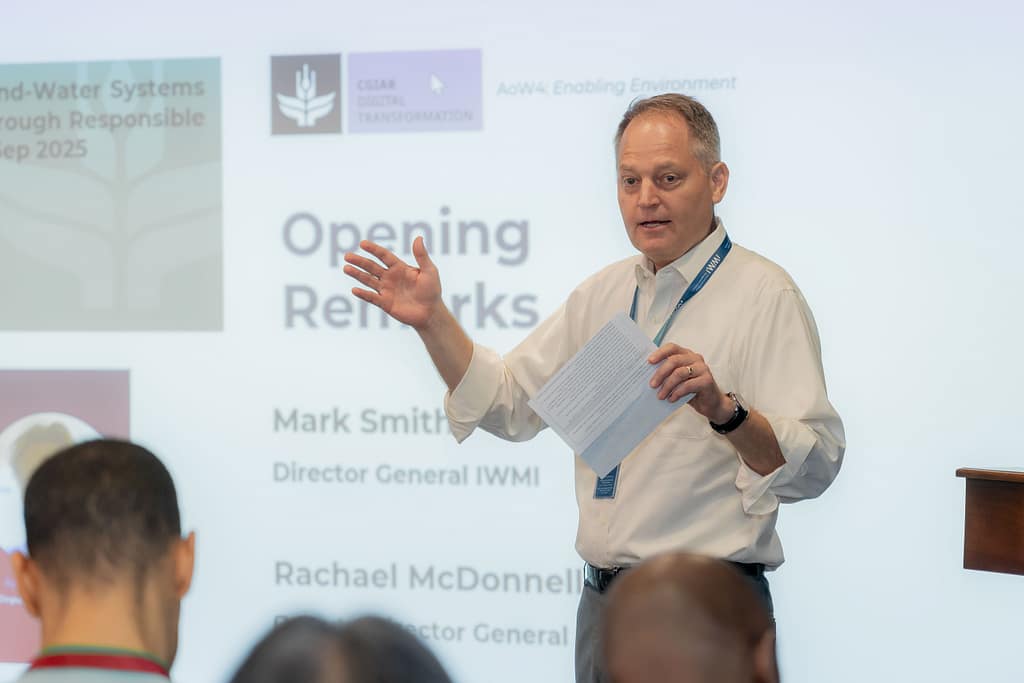
“The co-scientist concept is more than a technological leap, but a cultural one as well,” says IWMI’s Director General, Mark Smith. “By combining human creativity with AI’s analytical power, we’re shaping how CGIAR science can deliver faster, smarter and more inclusive solutions, especially for water, ahead of the 2026 UN Water Conference.”
Creating innovation from a messy abundance of pieces
Innovation consumes information, transforms it and produces a new product or process. But information alone is not enough. Knowledge, shaped by experience and collaboration, is what tells us which information matters and how to use that information to solve the problem at hand.
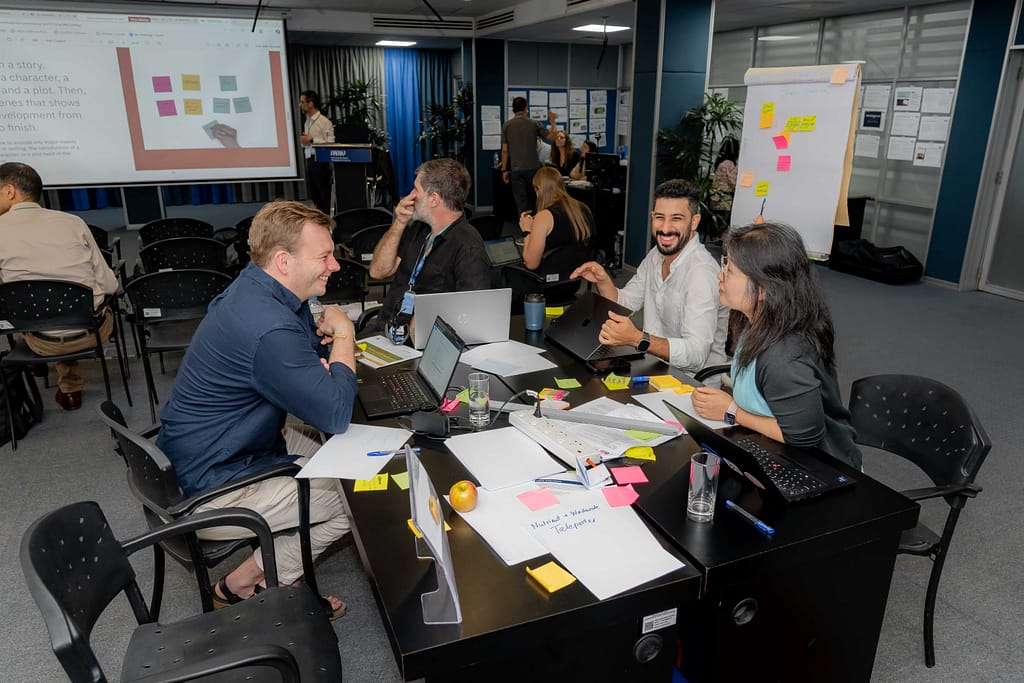
When a network comes together, its first task is not to dream big, but to take stock. What knowledge already exists? Who is doing what? What tools are in use? Where are the gaps? That process turns scattered expertise into shared understanding and underpins future innovation.
At CGIAR, the pieces are there: AI-assisted plant breeding, soil and plant health detection, genomic prediction, invasive species monitoring, harmonization of data and even AI-informed policy tools. Each center is advancing along its own path. But only by mapping this diversity of what is working, what is missing, and what needs to be connected, does the system reveal both its strengths and its fractures. The strengths are real. There is a plethora of existing AI tools, data policies to structure ethical use, and crosscutting system platforms. But the fractures are real too.
Researchers face fragmented data uploads and infrastructure, barriers around data privacy and sharing with unpublished work, differing rules across country borders and gaps in interdisciplinary expertise. Researchers also recognize AI can amplify bias if unchecked or tempt people to outsource critical thinking. They know that while data is abundant, it is too often siloed. Furthermore, infrastructure like graphic processing units (GPUs) and centralized data hubs, and skillsets like operational data science, are in short supply.
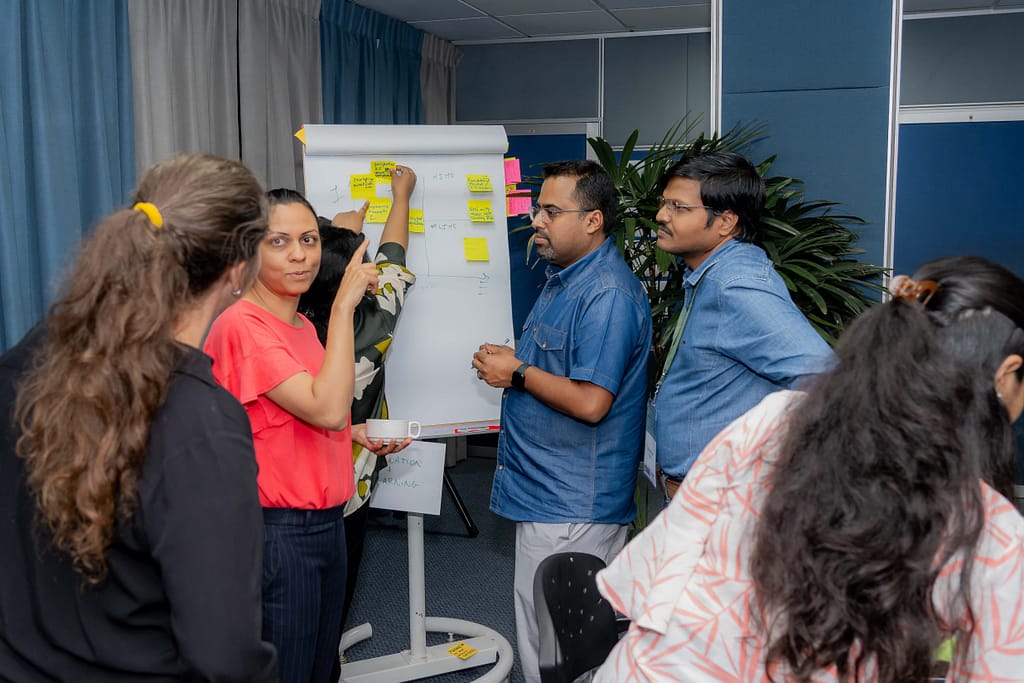
But naming the problems is not an act of pessimism. Once the information is on the table, the gaps can be mapped and tangibly addressed, spurring new possibilities.
Imagine an AI platform that scans the availability of data and analysis tools across the entire CGIAR system and beyond; or a tool that connects researchers to the person within the CGIAR system with the right expertise for a given project; or AI systems that can search funding calls, generate progress reports, analyze geospatial data, or consolidate foundational models. Can we imagine a system that does all these things? These ideas emerge from messy, albeit intentional conversations.
“The process of creating a co-scientist has illuminated so many possibilities to make our IWMI research more efficient, yet still of higher quality. The intentional conversations around AI that were both critical and expansive give me hope that any future output will not only be useful, but also carefully crafted to maximize benefits while reducing harm,” says Mariangel Garcia, Water Futures Data and Analytics Research Group Leader.
Going forward
Next steps include taking learning from the network workshop and using it to understand the current level of AI readiness across CGIAR so that next moves are grounded in evidence. This understanding will guide the assessments shared with CGIAR leadership and help shape a collective roadmap that highlights the major research opportunities across centers.
“As that roadmap takes shape, we are beginning to prototype what a co-scientist can look like in practice,” Garcia continues. “Alongside this work, we are investing in capacity building so that our researchers are ready to engage with new AI methods and drive this next era of innovation with confidence.”
IWMI brought together the CGIAR network to do what networks do best; they converted information into knowledge, and knowledge into ideas that are both ambitious and grounded in reality. By surfacing their obstacles alongside their opportunities, the CGIAR network is designing the conditions where innovation is not an accident, but the natural outcome of deliberate collaboration. This innovation is fundamentally built on previous innovations and is the predecessor to future, greater innovations, allowing technological progress to once again build upon itself.


